



Introduction
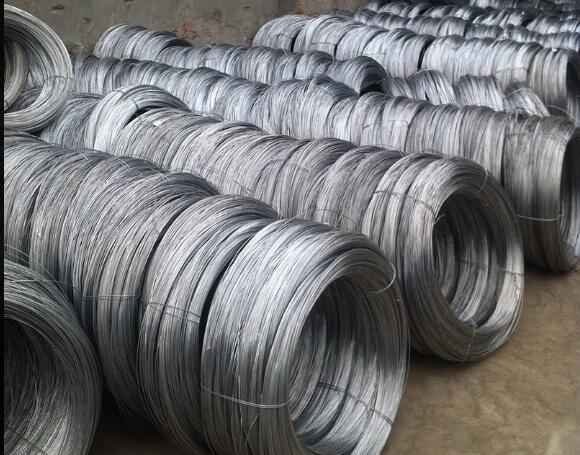
Galvanized wire, specifically 12 gauge, represents a critical fastening and construction material extensively utilized across numerous industries, including agriculture, construction, telecommunications, and manufacturing. Its primary function centers around providing robust tensile strength coupled with long-term corrosion resistance. The galvanization process, a zinc coating applied to steel wire, fundamentally alters the material’s susceptibility to environmental degradation, significantly extending its service life compared to bare steel. 12 gauge wire indicates a diameter of approximately 2.64mm, striking a balance between strength, flexibility, and cost-effectiveness. This guide will comprehensively detail the material science, manufacturing processes, performance characteristics, potential failure modes, and industry standards pertaining to 12 gauge galvanized wire, offering a resource for engineers, procurement specialists, and technical professionals.
Material Science & Manufacturing
The foundation of 12 gauge galvanized wire lies in its constituent materials: low carbon steel and zinc. The steel typically utilized is SAE 1008 or similar grades, offering good ductility and weldability. The steel’s chemical composition primarily consists of iron, with controlled amounts of carbon (0.08%), manganese, phosphorus, and sulfur. These elements influence the steel's mechanical properties such as tensile strength and yield strength. The zinc used for galvanization typically possesses a purity of 99.995%, minimizing impurities that could compromise the coating’s integrity.
Manufacturing begins with the drawing of steel rod through a series of dies to achieve the 12 gauge (2.64mm) diameter. This cold-drawing process work-hardens the steel, increasing its tensile strength. Subsequent annealing reduces brittleness and improves ductility. The critical step is galvanization, commonly achieved through hot-dip galvanizing. In this process, the steel wire is cleaned, fluxed, and immersed in a molten zinc bath (maintained around 450°C). A metallurgical reaction occurs, forming layers of zinc-iron alloy and a final outer layer of pure zinc. The thickness of the zinc coating is governed by standards like ASTM A123. Alternative galvanization methods, such as electrogalvanizing, offer tighter control over coating thickness but generally provide less corrosion protection. Post-galvanization, the wire may undergo further processing like lubrication or spooling for ease of handling and application. Parameter control during the drawing process (die angle, reduction ratio, lubrication) and galvanization (bath temperature, immersion time, zinc composition) are vital to ensure consistent material properties and coating quality.
Performance & Engineering
The performance of 12 gauge galvanized wire is dictated by several key engineering properties. Tensile strength, typically ranging from 800-1000 MPa, determines the wire's ability to withstand pulling forces without breaking. Yield strength (approximately 400-550 MPa) signifies the point at which the wire begins to deform permanently. Elongation, a measure of ductility, usually falls between 10-20%, indicating the wire’s ability to stretch before fracture.
Environmental resistance is paramount. The zinc coating provides sacrificial protection – the zinc corrodes preferentially, protecting the underlying steel. The rate of zinc corrosion depends on factors like humidity, temperature, and exposure to pollutants (sulfur dioxide, chlorides). Galvanized wire demonstrates excellent resistance to rust in most atmospheric conditions. However, prolonged exposure to acidic environments or marine salt spray can accelerate corrosion. Force analysis in applications like fencing or cable lacing requires careful consideration of the wire’s tensile strength and potential for fatigue under cyclical loading. Compliance requirements vary depending on the intended use; for example, agricultural applications may require adherence to specific standards related to heavy metal content and coating durability. Furthermore, the wire’s bending radius should be considered to avoid cracking or compromising the zinc coating.
Technical Specifications
| Parameter | Units | Typical Value | Test Method |
|---|---|---|---|
| Wire Gauge | AWG | 12 | ASTM A938 |
| Diameter | mm | 2.64 | Micrometer |
| Tensile Strength | MPa | 800-1000 | ASTM A370 |
| Yield Strength | MPa | 400-550 | ASTM A370 |
| Elongation | % | 10-20 | ASTM A370 |
| Zinc Coating Weight | g/m² | 60-300 (depending on galvanization process) | ASTM B693 |
Failure Mode & Maintenance
Galvanized wire, despite its corrosion resistance, is susceptible to several failure modes. Uniform corrosion is a gradual thinning of the zinc coating over time due to atmospheric exposure. Localized corrosion, such as pitting, occurs when defects in the coating or the presence of chlorides initiate accelerated corrosion in specific areas. White rust (zinc oxide) can form in humid environments, particularly if the wire is stored improperly. Mechanical damage, including bending, abrasion, and cutting, can disrupt the zinc coating, exposing the underlying steel to corrosion. Fatigue cracking can occur under cyclical loading, particularly in applications involving bending or tension. Hydrogen embrittlement, though less common, can occur during the galvanizing process if excessive hydrogen diffuses into the steel, reducing its ductility.
Maintenance strategies focus on preventing or mitigating these failure modes. Proper storage in a dry, ventilated environment is crucial to minimize white rust formation. Periodic inspection for signs of corrosion or mechanical damage is recommended. Damaged areas can be addressed with zinc-rich coatings or paint. For applications involving high stress, regular monitoring for fatigue cracks is advised. If corrosion is extensive, replacement of the wire is necessary. Avoiding contact with incompatible materials (e.g., certain acids) and implementing appropriate protective measures in harsh environments (e.g., applying a protective coating) will prolong the service life of the galvanized wire. Regular cleaning to remove dirt and debris helps prevent localized corrosion.
Industry FAQ
Q: What is the difference between hot-dip galvanizing and electrogalvanizing, and how does it affect the wire’s corrosion resistance?
A: Hot-dip galvanizing creates a thicker, more robust zinc coating with excellent adhesion due to the metallurgical bond formed between the zinc and steel. It offers superior long-term corrosion protection, especially in harsh environments. Electrogalvanizing produces a thinner, more uniform coating, suitable for applications where aesthetics or precise coating thickness are critical, but generally provides less corrosion resistance than hot-dip galvanizing.
Q: How does the carbon content in the steel affect the galvanizing process and the final wire properties?
A: Higher carbon content in the steel can lead to a thicker, more brittle zinc coating. Low carbon steel (like SAE 1008) is preferred because it provides better ductility and allows for a more uniform and adherent zinc coating. Excessive carbon can also increase the risk of hydrogen embrittlement during galvanizing.
Q: What impact do chlorides have on the longevity of galvanized wire, and what mitigation strategies are available?
A: Chlorides, particularly in marine environments or road salt applications, significantly accelerate the corrosion of galvanized wire. They penetrate the zinc coating and initiate localized corrosion (pitting). Mitigation strategies include using thicker zinc coatings, applying a protective coating over the galvanization (e.g., a chromate conversion coating), and employing cathodic protection techniques in extreme environments.
Q: What is the typical service life of 12 gauge galvanized wire in an outdoor agricultural fencing application?
A: The service life varies greatly depending on environmental conditions. In relatively mild rural environments, 12 gauge galvanized wire can last 15-20 years. However, in coastal areas or regions with high pollution levels, the service life may be reduced to 5-10 years. The zinc coating weight is a major determinant of longevity.
Q: What standards govern the testing and certification of galvanized wire?
A: Several standards are relevant. ASTM A123 covers zinc (hot-dip galvanized) coatings on iron and steel products. ASTM B693 covers zinc-coating hot-dip galvanized structural steel products. ASTM A370 is used for tensile strength testing. ASTM A938 specifies requirements for zinc coating weight. ISO 1461 covers hot-dip galvanizing. Compliance with these standards ensures the quality and performance of the wire.
Conclusion
12 gauge galvanized wire stands as a critical component in a wide spectrum of industrial and commercial applications, its enduring performance stemming from the synergistic combination of steel's inherent strength and zinc's sacrificial corrosion protection. The manufacturing process, encompassing cold-drawing and hot-dip galvanization, demands rigorous parameter control to ensure consistency in material properties and coating quality. Understanding the potential failure modes – ranging from uniform corrosion to fatigue cracking – and implementing proactive maintenance strategies are paramount to maximizing the lifespan and reliability of this essential material.
The selection of appropriate galvanized wire for a specific application requires careful consideration of environmental factors, loading conditions, and relevant industry standards. As environmental regulations increasingly prioritize sustainability, advancements in galvanization technologies and the development of alternative coatings will continue to shape the future of this versatile material. Continued research into corrosion mechanisms and protective coatings will further extend the service life and reduce the life-cycle cost of galvanized wire products.