



Introduction
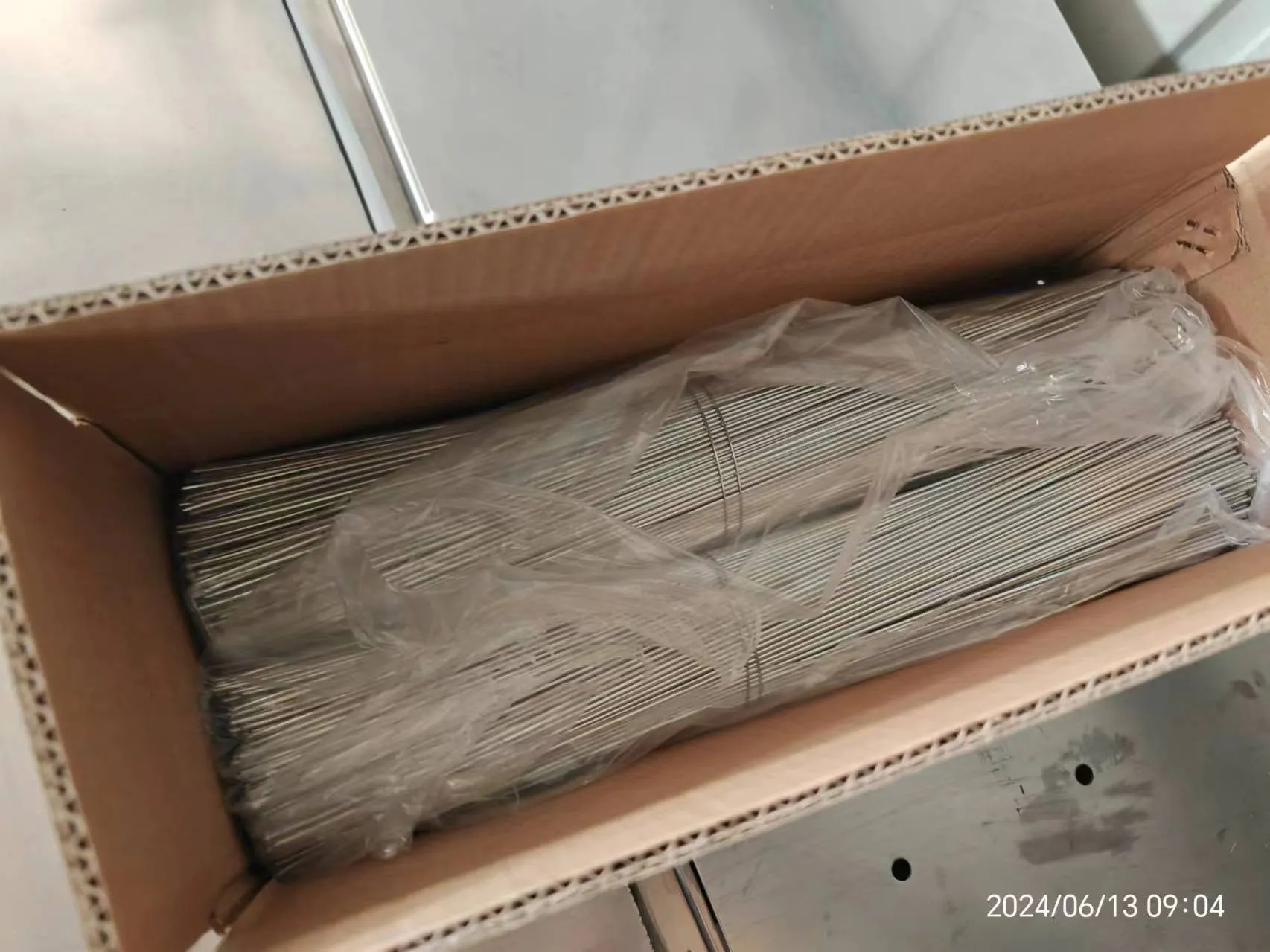
Galvanized wire, specifically 18 gauge, represents a critical component in numerous industrial and commercial applications requiring a balance of tensile strength, corrosion resistance, and cost-effectiveness. Within the broader wire products industry, galvanized wire occupies a significant position due to its ability to perform reliably in harsh environments. The galvanization process, involving the application of a protective zinc coating, fundamentally alters the wire’s susceptibility to corrosion, making it vastly superior to bare steel wire in many applications. 18 gauge denotes a specific wire diameter, equating to approximately 1.024 millimeters, providing a useful balance between flexibility and strength. Core performance characteristics include consistent zinc coating adhesion, uniform diameter, and predictable tensile properties, all of which dictate its suitability for applications ranging from fencing and cable armor to binding and construction.
Material Science & Manufacturing
The base material for 18-gauge galvanized wire is typically low-carbon steel, possessing a tensile strength generally ranging from 400-550 MPa and a yield strength of approximately 230-350 MPa. The steel’s composition is crucial; common grades include SAE 1008 and 1010, selected for their weldability and formability. Manufacturing begins with the drawing of steel rod through a series of dies to achieve the desired 18-gauge diameter (1.024 mm). This process induces work hardening, increasing the steel’s strength but simultaneously reducing its ductility. Annealing, typically performed in a controlled atmosphere, restores ductility without significantly compromising strength. The galvanization process is primarily conducted via hot-dip galvanizing. Steel wire is cleaned (pickling to remove rust and scale, followed by fluxing) and then immersed in a bath of molten zinc (typically 98% pure) maintained at around 450°C. A metallurgical reaction occurs, forming a series of zinc-iron alloy layers, providing superior corrosion protection compared to a simple zinc coating. Key parameters controlled during galvanization include bath temperature, immersion time, zinc bath composition (aluminum, lead content), and cooling rate. Post-galvanization, wires often undergo quality control checks including coating thickness measurement (using non-destructive methods like eddy current testing) and adhesion testing (bend tests or salt spray tests).
Performance & Engineering
The performance of 18-gauge galvanized wire is heavily influenced by the zinc coating’s integrity and thickness. Zinc provides cathodic protection to the steel substrate; even if the coating is scratched or damaged, the zinc corrodes preferentially, shielding the steel from corrosion. The coating thickness, typically ranging from 30-60 μm, directly correlates to the wire’s lifespan in corrosive environments. Force analysis is critical in applications involving tensile loading. The ultimate tensile strength of the galvanized wire is slightly lower than that of the bare steel wire due to the reduction in cross-sectional area by the zinc coating and the slight embrittlement induced by the galvanization process. Environmental resistance is a primary design consideration. Prolonged exposure to acidic environments (e.g., industrial pollution, acid rain) can accelerate zinc corrosion. Furthermore, elevated temperatures can lead to creep and reduced strength. Compliance requirements are governed by standards such as ASTM A653 (Standard Specification for Steel Wire, Zinc-Coated (Galvanized)) and EN 10244-2 (Steel wire products - Galvanized steel wire). These standards define minimum coating weights, mechanical properties, and quality control procedures.
Technical Specifications
| Parameter | Typical Value (18 Gauge) | Testing Method | Tolerance |
|---|---|---|---|
| Wire Diameter | 1.024 mm | Micrometer | ± 0.02 mm |
| Tensile Strength | 450 MPa | ASTM A653 | ± 30 MPa |
| Yield Strength | 280 MPa | ASTM A653 | ± 20 MPa |
| Zinc Coating Weight | 40-60 g/m² | Non-Destructive Coating Thickness Gauge | ± 5 g/m² |
| Elongation | 10% | ASTM A653 | ± 2% |
| Adhesion of Coating | Pass | ASTM A653 (Bend Test) | No cracking or detachment |
Failure Mode & Maintenance
Common failure modes for galvanized wire include uniform corrosion (gradual reduction in zinc coating thickness), localized corrosion (pitting, white rust), and mechanical failure (fatigue cracking, tensile overload). Uniform corrosion occurs over time due to atmospheric exposure. Pitting corrosion arises from imperfections in the zinc coating or the presence of chloride ions. White rust (zinc oxide) forms in humid environments and, while not immediately detrimental, indicates zinc corrosion is occurring. Fatigue cracking can occur in applications involving cyclical loading, especially around bends or stress concentrators. Maintenance strategies focus on preventing or mitigating these failures. Regular inspections can identify areas of corrosion or damage. Protective coatings (e.g., paints, lacquers) can be applied to extend the wire’s lifespan. For critical applications, sacrificial anodes (e.g., zinc blocks) can provide additional cathodic protection. If localized corrosion is detected, damaged sections should be removed and re-galvanized or replaced. Preventing mechanical abrasion and avoiding excessive bending radii are also important maintenance considerations.
Industry FAQ
Q: What is the primary difference between Class 1 and Class 3 galvanizing, and how does it affect the long-term performance of 18-gauge wire?
A: Class 1 and Class 3 refer to different minimum zinc coating weights specified in ASTM A653. Class 1 has a lower coating weight (around 30 g/m²) suitable for less corrosive environments, while Class 3 has a significantly higher coating weight (around 60 g/m²) offering superior corrosion protection for harsher conditions. For 18-gauge wire intended for outdoor applications or corrosive environments, Class 3 galvanizing is strongly recommended to maximize longevity.
Q: How does the presence of lead in the galvanizing bath affect the ductility and weldability of the resulting galvanized wire?
A: Historically, lead was added to galvanizing baths to improve flowability. However, lead can reduce the ductility and weldability of the galvanized wire. Modern galvanizing processes increasingly utilize aluminum-zinc alloys as a lead substitute, providing comparable flowability without the negative impact on mechanical properties.
Q: What is the significance of the 'temper' designation (e.g., soft, medium, hard) for 18-gauge galvanized wire, and how does it relate to its formability?
A: Temper refers to the wire’s hardness and ductility, determined by the amount of cold work applied during manufacturing. Soft wire has high ductility and is easily formed, ideal for bending and tying applications. Medium temper offers a balance between strength and formability. Hard wire has high tensile strength but limited ductility, suitable for applications requiring high load-bearing capacity but minimal forming.
Q: What are the limitations of relying solely on visual inspection to assess the quality of the galvanized coating on 18-gauge wire?
A: Visual inspection can identify obvious defects like bare spots or blisters, but it cannot accurately measure coating thickness or adhesion. Subsurface defects or variations in coating uniformity are undetectable by visual inspection alone. Non-destructive testing methods, such as eddy current testing, are crucial for a comprehensive assessment of coating quality.
Q: Can 18-gauge galvanized wire be used in direct contact with aluminum? What are the potential corrosion concerns?
A: Direct contact between galvanized wire and aluminum can lead to galvanic corrosion. Aluminum is less noble than zinc, creating a galvanic cell where the aluminum corrodes preferentially. To prevent this, a non-conductive barrier (e.g., plastic sleeve, tape) should be used to isolate the two metals.
Conclusion
18-gauge galvanized wire represents a robust and versatile material solution across a wide spectrum of applications demanding corrosion resistance and moderate tensile strength. Its manufacturing process, centered around hot-dip galvanization of low-carbon steel, imparts a protective zinc coating crucial for extending service life in challenging environments. Understanding the interplay between material composition, coating characteristics, and relevant industry standards (ASTM, EN) is paramount for selecting the appropriate wire grade and ensuring optimal performance.
Future advancements in galvanizing technology, including the development of more environmentally friendly zinc alloys and improved coating application techniques, will further enhance the performance and sustainability of galvanized wire. Continued research into corrosion mechanisms and predictive modeling will allow for more accurate assessments of wire lifespan and the development of tailored solutions for specific application requirements, solidifying its position as a fundamental component in numerous industries.