



Introduction
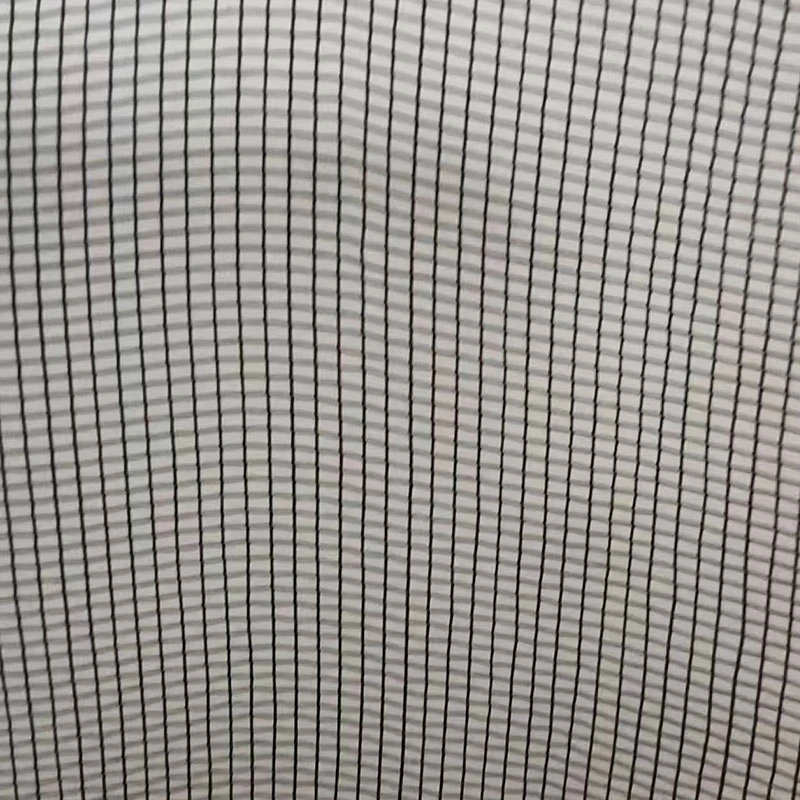
Galvanized wire 3mm refers to a carbon steel wire coated with a layer of zinc through a hot-dip galvanization process. This coating provides corrosion resistance, making it suitable for a wide range of applications across construction, agriculture, manufacturing, and security. Within the industrial wire product chain, galvanized wire occupies a critical position as a fundamental material for fencing, cabling, binding, reinforcement, and various fabricated components. The 3mm diameter signifies a balance between tensile strength and flexibility, commonly chosen for applications requiring moderate load-bearing capacity and ease of manipulation. Core performance characteristics include its resistance to atmospheric corrosion, its ductility for forming and tying, and its predictable tensile strength for structural applications. Understanding these characteristics is vital for engineers and procurement professionals to ensure appropriate material selection and long-term structural integrity.
Material Science & Manufacturing
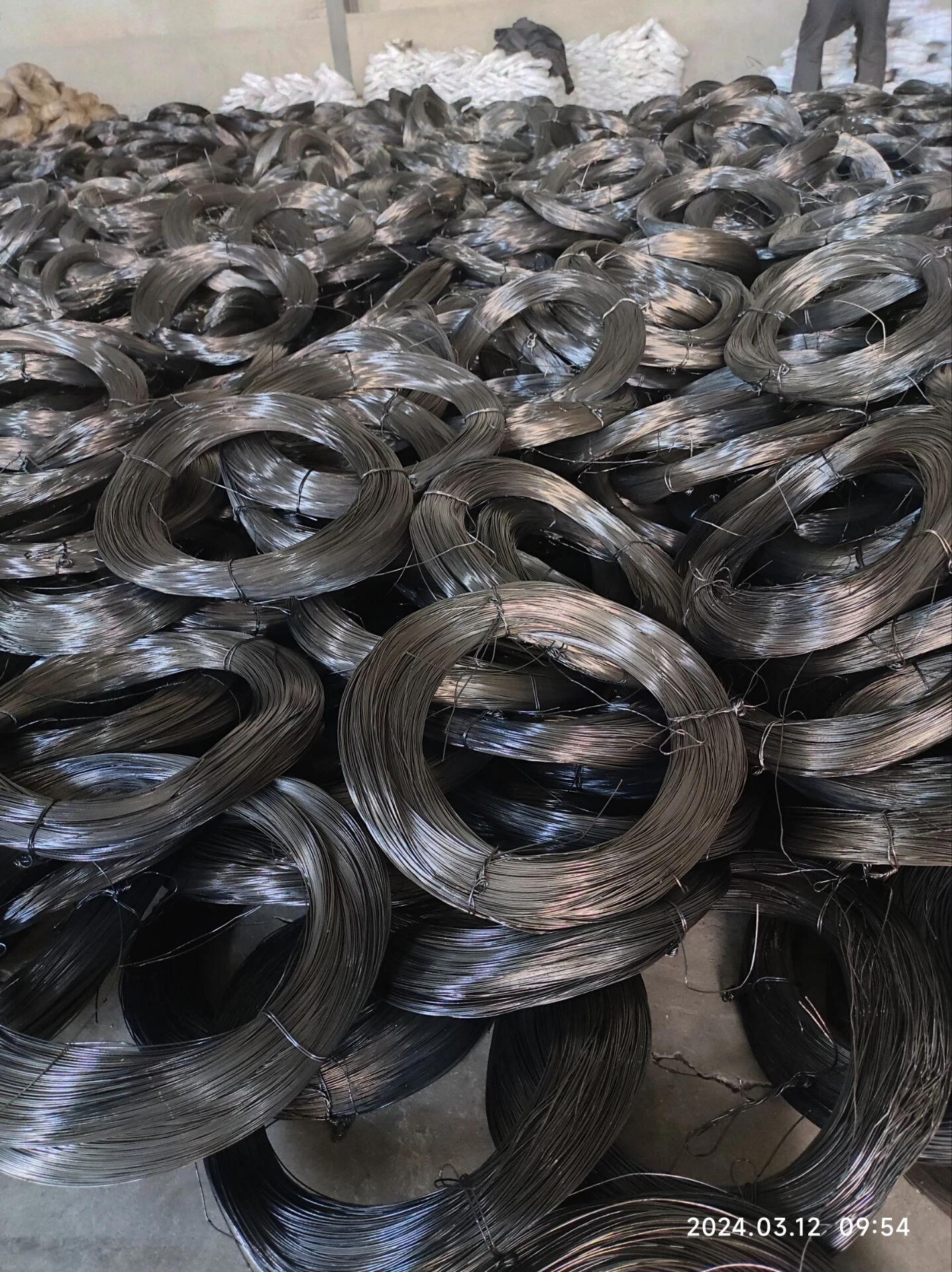
The primary raw material for 3mm galvanized wire is low-carbon steel, typically SAE 1008 or similar grades, characterized by a carbon content of approximately 0.08%. The steel’s mechanical properties – tensile strength, yield strength, and ductility – directly influence the final galvanized wire's performance. The galvanization process utilizes zinc with a purity of at least 98.5%. Key impurities affecting coating quality include lead, cadmium, and iron. Manufacturing begins with wire drawing, reducing the steel's diameter to 3mm from larger stock. This process induces work hardening, necessitating subsequent annealing to restore ductility. The critical step is hot-dip galvanization. The wire is cleaned (pickled to remove oxides), fluxed (to promote zinc adhesion), and immersed in a molten zinc bath (typically 450-460°C). The zinc metallurgically bonds to the steel surface, forming a series of zinc-iron alloy layers followed by a top layer of pure zinc. Cooling is carefully controlled to minimize thermal stress. Critical parameters include bath temperature, immersion time, and cooling rate. Post-galvanization, the wire may undergo straightening, spooling, and quality control inspection including coating thickness measurements and adhesion testing.
Performance & Engineering
The performance of 3mm galvanized wire is fundamentally linked to the properties of the zinc coating. The coating acts as a barrier against corrosive elements and, crucially, provides galvanic protection. Zinc is anodic to steel, meaning it corrodes preferentially, sacrificing itself to protect the underlying steel. Force analysis reveals that the tensile strength of the galvanized wire is slightly lower than that of the original steel wire due to the potential for hydrogen embrittlement during the pickling process. However, the difference is typically within acceptable limits for most applications. Environmental resistance is a primary concern. The rate of zinc corrosion is influenced by factors like humidity, temperature, salinity, and exposure to pollutants (sulfur dioxide, chlorides). Galvanized wire performs adequately in freshwater and most rural environments. However, in marine or industrial settings, corrosion rates are accelerated. Compliance requirements vary by region. In North America, ASTM A641 specifies standards for zinc coating weight and adhesion. European standards (EN 10244-2) define similar requirements. The allowable stress levels for galvanized wire in structural applications are governed by relevant building codes and engineering design standards. The wire’s deflection and elongation under load must be calculated to ensure structural stability and prevent premature failure.
Technical Specifications
| Parameter | Unit | Specification | Test Method |
|---|---|---|---|
| Nominal Diameter | mm | 3.0 ± 0.05 | Micrometer |
| Zinc Coating Weight | g/m² | 80-120 (G90/G120) | ASTM A641 |
| Tensile Strength | MPa | 380-480 | ASTM A641 |
| Yield Strength | MPa | 240-320 | ASTM A641 |
| Elongation at Break | % | 12-18 | ASTM A641 |
| Adhesion of Coating | Rating | Pass (No evidence of peeling or blistering) | ASTM A641 |
Failure Mode & Maintenance
Several failure modes can affect 3mm galvanized wire in service. Uniform corrosion is the most common, resulting in gradual thinning of the zinc coating. However, localized corrosion, such as pitting corrosion (caused by chloride ions) and crevice corrosion (occurring in shielded areas), can accelerate failure. Hydrogen embrittlement, as mentioned earlier, can lead to cracking, particularly under sustained tensile stress. Mechanical damage – bending, abrasion, cutting – can breach the zinc coating, exposing the steel to corrosion. White rust (zinc hydroxide) can form on the surface in humid environments, although it is typically a cosmetic issue and doesn't significantly compromise the underlying steel if addressed promptly. Maintenance involves periodic inspection for signs of corrosion, particularly in harsh environments. Damaged coatings should be repaired using zinc-rich paints or coatings. For critical applications, consider applying a supplementary protective coating (e.g., epoxy) over the galvanized layer. Avoid bending the wire excessively or subjecting it to concentrated stresses. Regularly cleaning the wire to remove dirt and contaminants can help minimize corrosion rates. Implement a preventive maintenance schedule based on the specific application and environmental conditions.
Industry FAQ
Q: What is the significance of the zinc coating weight (G90 vs G120) and how does it impact the lifespan of the wire?
A: The 'G' designation refers to the zinc coating weight in ounces per square foot. G90 represents 0.90 oz/ft², while G120 represents 1.20 oz/ft². Higher coating weights (G120) provide greater corrosion protection and a longer lifespan, particularly in aggressive environments. However, increased coating weight also adds to the material cost. The optimal coating weight depends on the specific application and anticipated exposure conditions. For indoor, low-humidity applications, G90 may be sufficient, while outdoor or marine environments typically require G120.
Q: How does the annealing process affect the mechanical properties of the wire, and what parameters are critical during this step?
A: Wire drawing imparts significant work hardening, increasing tensile strength but reducing ductility. Annealing reverses this effect, restoring ductility and making the wire easier to form and tie. Critical parameters during annealing include temperature, heating rate, soaking time, and cooling rate. Insufficient annealing leaves the wire brittle, while excessive annealing can reduce its strength. Precise control of these parameters is essential to achieve the desired balance of mechanical properties.
Q: Can galvanized wire be welded, and if so, what precautions should be taken?
A: Galvanized wire can be welded, but the zinc coating releases fumes during welding that are hazardous to health. Adequate ventilation is crucial. The zinc also affects weld quality, potentially causing porosity and reducing weld strength. Using a specialized galvanized welding wire or removing the zinc coating in the weld area prior to welding is recommended. Post-weld, the exposed steel should be re-galvanized to prevent corrosion.
Q: What are the limitations of galvanized wire in highly acidic or alkaline environments?
A: While galvanized wire offers good corrosion resistance in many environments, it is vulnerable to attack by strong acids and alkalis. Acids dissolve the zinc coating, while alkalis can form soluble zincates, accelerating corrosion. In such environments, alternative materials like stainless steel or coated wires with more robust corrosion resistance are recommended.
Q: How does the diameter of the wire (3mm in this case) impact its load-bearing capacity and deflection characteristics?
A: The load-bearing capacity of a wire is directly related to its cross-sectional area, which increases with the square of the diameter. Therefore, a 3mm wire has a significantly higher load capacity than a 2mm wire. Deflection, conversely, is inversely proportional to the square of the diameter. A thicker wire (3mm) will deflect less under a given load compared to a thinner wire. These characteristics must be carefully considered during structural design to ensure adequate strength and prevent excessive deformation.
Conclusion
The 3mm galvanized wire represents a cost-effective and versatile solution for numerous applications demanding moderate strength and corrosion resistance. The manufacturing process, centered around hot-dip galvanization, is critical in determining the wire's protective characteristics. Understanding the interplay between material science, manufacturing parameters, and environmental factors is paramount for ensuring long-term performance and mitigating potential failure modes.
As engineering demands evolve, advancements in galvanizing techniques – such as utilizing alloys with higher zinc content or applying post-treatment coatings – will continue to enhance the durability and lifespan of galvanized wire. Further research into novel corrosion inhibitors and protective coatings can also broaden the application scope of this essential industrial material. Careful consideration of industry standards and adherence to proper maintenance practices are vital for maximizing the value and minimizing the lifecycle cost of galvanized wire installations.