



Introduction
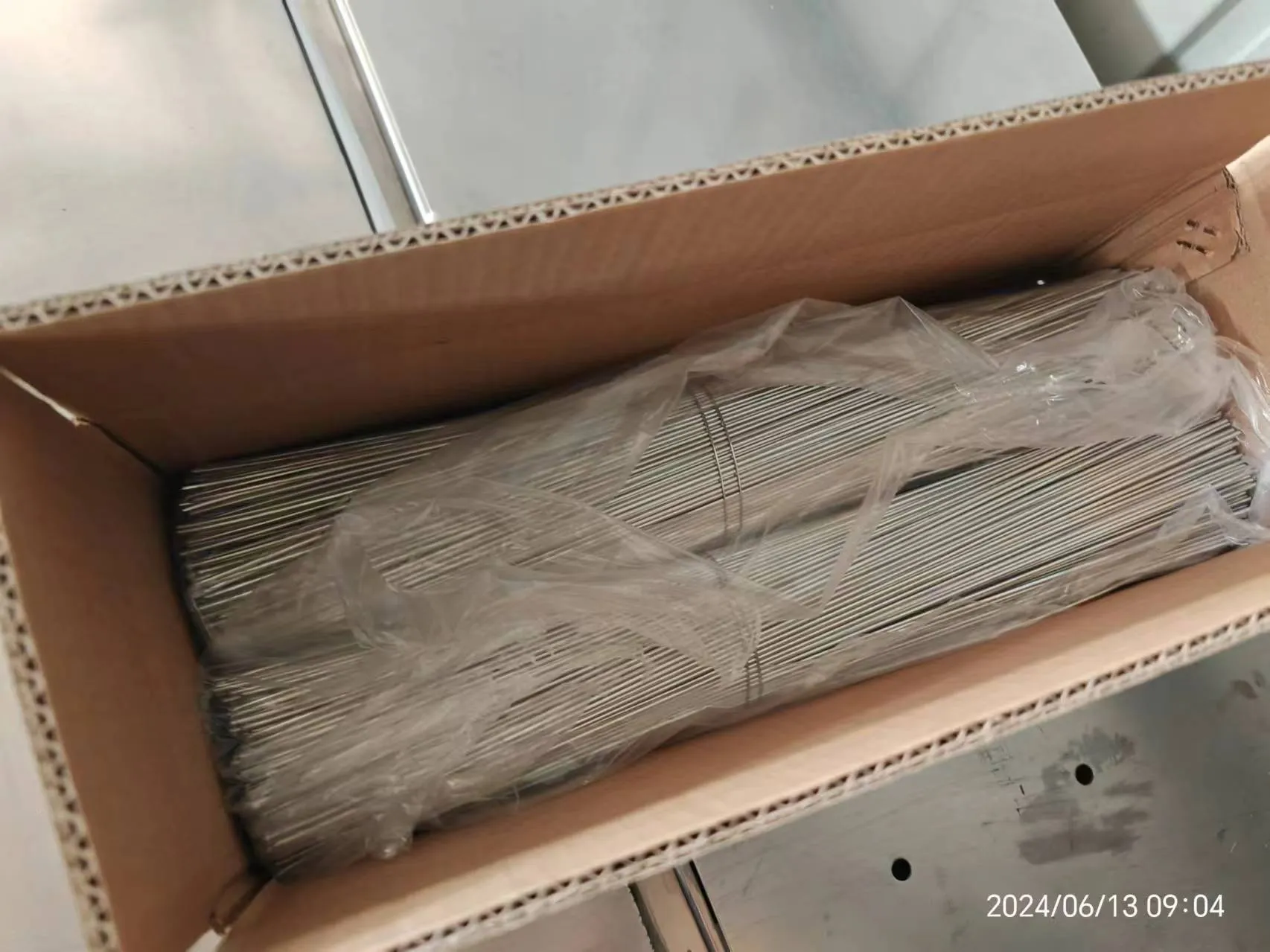
Galvanized wire, specifically 4mm diameter, is a carbon steel wire coated with a protective layer of zinc. This coating provides corrosion resistance, making it a vital component in a multitude of industries including construction, agriculture, telecommunications, and manufacturing. Its technical position within the supply chain is as a foundational material, utilized in the fabrication of fences, cables, binding, spring production, and reinforcement applications. The core performance characteristics of 4mm galvanized wire are defined by its tensile strength, ductility, zinc coating weight, and resistance to environmental degradation. This guide provides a comprehensive examination of the material science, manufacturing processes, performance parameters, failure modes, and relevant standards pertaining to 4mm galvanized wire. A primary pain point in the industry revolves around consistent coating quality and long-term corrosion protection, impacting lifespan and requiring frequent maintenance or replacement. Selecting appropriate galvanized wire is critical to minimize life-cycle costs and ensure structural integrity.
Material Science & Manufacturing
The base material for 4mm galvanized wire is typically low-carbon steel, such as SAE 1008 or similar grades, chosen for its balance of strength and ductility. The chemical composition is predominantly iron (Fe) with a carbon content generally below 0.15%. The steel undergoes a cold drawing process to achieve the precise 4mm diameter. This process increases tensile strength but can reduce ductility, necessitating annealing for workability. The crucial step is the galvanization process, which applies a zinc coating. Two primary methods exist: hot-dip galvanizing and electrogalvanizing. Hot-dip galvanizing involves immersing the wire in a molten zinc bath (typically 98% pure zinc) at around 450°C. This creates a metallurgical bond, forming a series of zinc-iron alloy layers followed by an outer layer of pure zinc. The coating thickness is controlled by withdrawal speed and zinc bath composition, typically ranging from 40-60 μm for general purposes. Electrogalvanizing utilizes an electrolytic process, depositing zinc ions onto the wire surface. This provides a thinner, more uniform coating but often less metallurgical bonding. Critical parameters during manufacturing include precise control of steel composition, drawing speed, annealing temperature, zinc bath temperature (hot-dip), current density (electrogalvanizing), and cooling rate. Impurities in the steel can lead to localized corrosion, while inconsistent cooling can cause stresses in the wire. Proper passivation treatment after galvanizing, involving chromate conversion coatings, further enhances corrosion resistance.

Performance & Engineering
The performance of 4mm galvanized wire is heavily influenced by its mechanical properties and corrosion resistance. Tensile strength, typically ranging from 380-550 MPa, determines its load-bearing capacity. Ductility, measured by elongation at break (typically 10-20%), dictates its ability to deform before fracturing. The zinc coating provides sacrificial protection, corroding preferentially to the steel. The rate of zinc corrosion is dependent on environmental factors such as humidity, temperature, and exposure to pollutants (sulfur dioxide, chlorides). Engineering calculations for applications like fencing or cable support must account for the wire's yield strength, tensile strength, and anticipated environmental conditions. The coating weight (mass of zinc per unit area) directly correlates with corrosion resistance, with higher coating weights providing longer protection. Failure analysis frequently centers on insufficient coating thickness, localized defects in the coating, or premature mechanical failure due to overloading. Compliance requirements depend on the application. For example, agricultural fencing may require adherence to specific standards regarding zinc coating thickness and wire strength to withstand animal impact and weathering. Electrical applications have specific requirements related to conductivity and dielectric strength. Fatigue analysis is crucial in applications involving cyclic loading, such as suspension cables, to predict the wire's lifespan under repeated stress.
Technical Specifications
| Parameter | Typical Value | Testing Standard | Unit |
|---|---|---|---|
| Diameter | 4.00 ± 0.05 | ISO 286 | mm |
| Tensile Strength | 450 – 550 | ASTM A641 | MPa |
| Elongation at Break | 12 – 18 | ASTM A641 | % |
| Zinc Coating Weight | 40 – 60 | ASTM B693 | g/m² |
| Zinc Coating Thickness | 5 – 8 | ASTM B693 | µm |
| Hydrogen Embrittlement | ≤ 3 | ASTM A714 | ppm |
Failure Mode & Maintenance
Common failure modes for 4mm galvanized wire include uniform corrosion, localized corrosion (pitting, crevice corrosion), hydrogen embrittlement, and mechanical failure (fatigue cracking, tensile overload). Uniform corrosion occurs as the zinc coating corrodes evenly over time, providing sacrificial protection. However, once the zinc is depleted, the underlying steel is exposed and corrodes. Localized corrosion is accelerated by defects in the coating, chloride exposure, or the presence of dissimilar metals. Pitting corrosion creates small holes, while crevice corrosion occurs in shielded areas. Hydrogen embrittlement can occur during the galvanizing process if the steel absorbs hydrogen atoms, leading to reduced ductility and brittle fracture. Mechanical failure is initiated by exceeding the wire’s tensile strength or by repeated cyclic loading causing fatigue cracks. Maintenance involves regular inspection for corrosion, particularly in harsh environments. Removing corrosion products and applying a protective coating (such as zinc-rich paint) can extend the wire's lifespan. For heavily corroded sections, replacement is often the only viable option. Preventative measures include selecting appropriate wire coatings for the environment, avoiding contact with dissimilar metals, and ensuring proper tensioning to minimize stress concentration. Periodic zinc coating reapplication can also be considered for critical applications.
Industry FAQ
Q: What is the difference between hot-dip galvanizing and electrogalvanizing in terms of corrosion resistance?
A: Hot-dip galvanizing typically provides superior corrosion resistance due to the thicker coating and stronger metallurgical bond with the steel substrate. The diffusion of zinc into the steel creates a more robust barrier. Electrogalvanizing provides a thinner, more uniform coating, suitable for applications with less severe corrosive environments, but doesn't offer the same level of long-term protection as hot-dip galvanizing.
Q: How does chloride exposure affect the corrosion rate of galvanized wire?
A: Chloride ions are particularly aggressive in accelerating the corrosion of galvanized wire. They penetrate the zinc coating and disrupt the passive protective layer, leading to localized corrosion such as pitting. Environments with high chloride concentrations (e.g., coastal areas, de-icing salts) require heavier zinc coatings or supplementary corrosion protection measures.
Q: What is hydrogen embrittlement, and how can it be prevented?
A: Hydrogen embrittlement occurs when atomic hydrogen diffuses into the steel during galvanizing, reducing its ductility and increasing its susceptibility to brittle fracture. Prevention involves controlling the pickling process (reducing acid concentration and time), using inhibitors, and post-galvanizing heat treatment to drive out the hydrogen.
Q: What are the key factors to consider when selecting galvanized wire for fencing applications?
A: Key factors include the anticipated load (animal impact, wind pressure), the corrosive environment (coastal, industrial, agricultural), the required lifespan, and the relevant fencing standards. Higher zinc coating weights are essential in harsh environments. Wire gauge (diameter) should be selected based on the structural requirements.
Q: How can the quality of the galvanized coating be assessed?
A: Coating quality can be assessed through various methods, including visual inspection for defects, non-destructive testing (e.g., coating thickness measurement using magnetic gauges), and destructive testing (e.g., salt spray testing, accelerated corrosion tests). Chemical analysis of the coating composition can also verify zinc purity.
Conclusion
4mm galvanized wire represents a critical engineering material offering a robust and cost-effective solution for a wide array of applications demanding corrosion resistance and mechanical strength. The selection of appropriate manufacturing processes, specifically the galvanization method and associated parameter control, is paramount to ensure long-term performance and minimize failure rates. Understanding the underlying material science, potential failure modes, and relevant industry standards is essential for effective design, implementation, and maintenance.
Future advancements in galvanized wire technology may focus on developing enhanced zinc alloys with improved corrosion resistance, exploring alternative coating methods (e.g., zinc-nickel alloys), and implementing more sophisticated quality control techniques. Continued research into the mechanisms of corrosion and hydrogen embrittlement will further refine manufacturing processes and extend the lifespan of this crucial material, contributing to greater sustainability and reduced life-cycle costs.