



Introduction
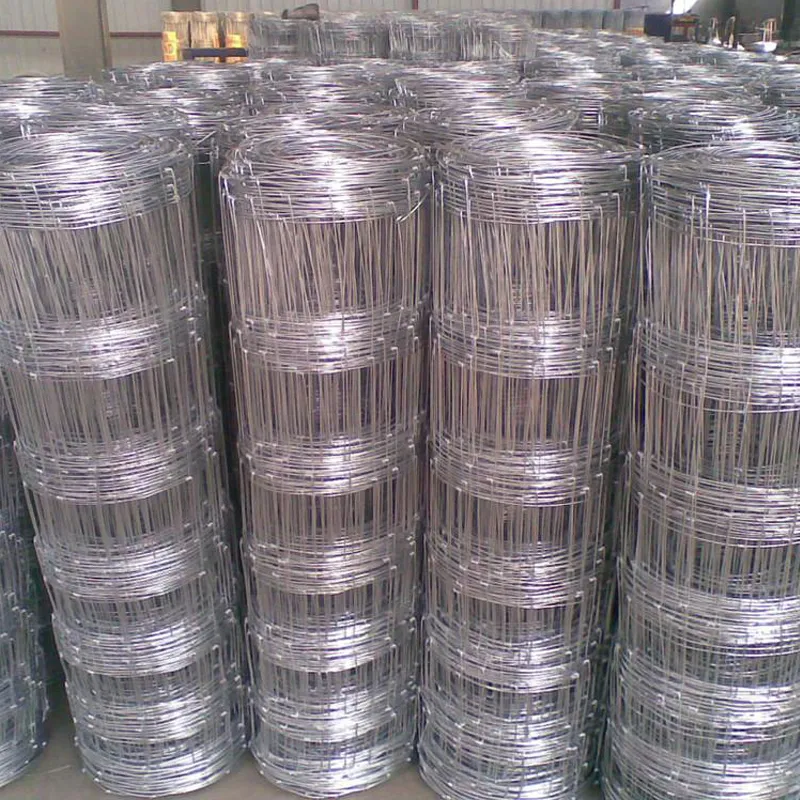
Galvanized wire, specifically 8 gauge, is a carbon steel wire coated with a protective layer of zinc. This coating serves as a sacrificial anode, preventing corrosion of the underlying steel. Within the industrial chain, it occupies a critical position as a foundational material in construction, agriculture, manufacturing, and telecommunications. 8 gauge, equating to a diameter of approximately 4.112 mm (0.162 inches), offers a balance between tensile strength and flexibility, making it suitable for a wide range of applications. Core performance characteristics include high tensile strength, excellent corrosion resistance, and durability, exceeding that of bare steel wire. The galvanization process, typically hot-dip galvanizing, dramatically extends the service life of the wire, reducing lifecycle costs in demanding environments. Understanding the nuances of the galvanization process, zinc coating thickness, and steel substrate composition is essential for selecting the appropriate 8 gauge galvanized wire for specific applications.
Material Science & Manufacturing
The primary raw material is carbon steel, typically SAE 1008 or similar low-carbon steel grades. The steel’s composition significantly impacts ductility and weldability, influencing the wire drawing process. Zinc used for galvanization is typically of SHG (Special High Grade) quality, possessing a purity of 99.995% to ensure optimal coating adhesion and corrosion protection. The manufacturing process begins with hot rolling of steel billets into wire rod. This is followed by wire drawing, a process of pulling the wire through a series of progressively smaller dies, reducing its diameter and increasing its tensile strength. Annealing is then performed to restore ductility. Prior to galvanization, thorough cleaning is crucial, involving pickling (acid washing) to remove mill scale and rust, followed by fluxing to promote zinc adhesion. Hot-dip galvanizing involves immersing the cleaned wire in a bath of molten zinc (typically 98% pure) at approximately 450°C (842°F). The zinc metallurgically bonds with the steel surface, forming a series of zinc-iron alloy layers, culminating in an outer layer of pure zinc. Critical parameters include zinc bath temperature, immersion time, cooling rate, and post-galvanization treatments such as passivation to enhance corrosion resistance. Variations include electro-galvanizing and zinc-aluminum alloy galvanizing (Galvalume), each offering different properties and cost profiles.
Performance & Engineering
The performance of 8 gauge galvanized wire is fundamentally governed by its tensile strength, yield strength, elongation, and corrosion resistance. Tensile strength, typically exceeding 800 MPa (116,000 psi) for this gauge, dictates the wire’s ability to withstand pulling forces. Yield strength, around 600 MPa (87,000 psi), indicates the point at which permanent deformation begins. Elongation, typically 15-20%, reflects the wire’s ductility. Corrosion resistance is directly proportional to the zinc coating thickness, measured in grams per square meter (g/m²) or ounces per square foot (oz/ft²). Environmental resistance is paramount; galvanized wire performs exceptionally well in outdoor applications, resisting atmospheric corrosion, saltwater exposure, and industrial pollutants. However, prolonged exposure to acidic environments can accelerate zinc consumption. Force analysis is crucial in applications involving load-bearing or tensioning. Factors such as dynamic loading, vibration, and bending stresses must be considered when selecting the appropriate wire and specifying installation methods. Compliance requirements vary by industry and region, with standards like ASTM A653, EN 10244-2, and GB/T 5226-2004 governing manufacturing and performance characteristics.
Technical Specifications
| Parameter | Unit | Typical Value (8 Gauge) | Testing Standard |
|---|---|---|---|
| Diameter | mm | 4.112 | ASTM E283 |
| Tensile Strength | MPa | 800-950 | ASTM A653 |
| Yield Strength | MPa | 600-750 | ASTM A653 |
| Elongation | % | 15-20 | ASTM A653 |
| Zinc Coating Thickness | g/m² | 260-340 | ASTM A653 / ISO 9000 |
| Zinc Coating Class | - | G90/G60 | ASTM A653 |
Failure Mode & Maintenance
Common failure modes include corrosion, fatigue cracking, and hydrogen embrittlement. Corrosion occurs when the zinc coating is depleted, exposing the underlying steel to the environment. Uniform corrosion is gradual and predictable, while localized corrosion (e.g., pitting) can be more rapid and severe. Fatigue cracking arises from repeated stress cycles, particularly in applications involving bending or vibration. Hydrogen embrittlement, though less common, can occur during the galvanizing process if excess hydrogen diffuses into the steel, reducing its ductility. Delamination of the zinc coating can occur due to poor surface preparation or inadequate adhesion. Maintenance strategies include regular visual inspection for signs of corrosion or damage. If localized corrosion is detected, the affected area should be cleaned and recoated with a zinc-rich paint. For fatigue-critical applications, periodic stress relief and replacement of worn wire are essential. Avoid using galvanized wire in direct contact with aluminum, as this can accelerate corrosion. Proper storage in a dry environment is crucial to prevent premature corrosion. Periodic application of a protective coating, such as a chromate conversion coating, can enhance long-term corrosion resistance.
Industry FAQ
Q: What is the difference between hot-dip galvanizing and electro-galvanizing in terms of corrosion protection?
A: Hot-dip galvanizing provides superior corrosion protection due to the thicker zinc coating and the metallurgical bond formed with the steel substrate. Electro-galvanizing yields a thinner, less durable coating, typically used for applications requiring a smoother finish or precise coating thickness. The hot-dip process generates iron-zinc alloy layers beneath the pure zinc layer, increasing coating adhesion and barrier protection.
Q: How does the steel substrate’s carbon content affect the galvanizing process?
A: Higher carbon content in the steel can lead to slower reaction rates during galvanizing and potentially thicker, more brittle zinc-iron alloy layers. Low-carbon steel, like SAE 1008, is preferred for optimal galvanizing performance and ductility. Excessive carbon content may necessitate adjustments to the galvanizing process parameters.
Q: What is the impact of chloride exposure on galvanized wire lifespan?
A: Chloride ions, commonly found in saltwater environments, accelerate the corrosion of galvanized coatings. Chloride penetrates the zinc layer, forming corrosion products that compromise the protective barrier. In marine environments, thicker zinc coatings and supplemental protective coatings are recommended to extend the wire’s service life. Regular washing with fresh water can mitigate chloride buildup.
Q: What are the implications of using galvanized wire in contact with dissimilar metals?
A: Galvanized steel should not be directly connected to more noble metals (e.g., copper, stainless steel) in a conductive environment. This creates a galvanic cell, where the zinc acts as the sacrificial anode and corrodes preferentially. Insulation or the use of compatible materials is essential to prevent accelerated corrosion.
Q: What quality control measures are typically employed during the manufacturing of 8 gauge galvanized wire?
A: Quality control measures include regular testing of steel composition, wire diameter, tensile strength, zinc coating thickness, coating uniformity, and adhesion. Visual inspections are performed to detect defects such as scratches, cracks, and non-uniform coatings. Adherence to industry standards (ASTM, EN, GB/T) is critical and often verified through third-party testing and certification.
Conclusion
8 gauge galvanized wire represents a crucial component in a vast array of industrial applications due to its robust combination of tensile strength and corrosion resistance. The manufacturing process, from steel selection and wire drawing to the critical hot-dip galvanizing step, demands meticulous control of parameters to ensure optimal performance. Understanding the potential failure modes, such as corrosion, fatigue, and hydrogen embrittlement, is essential for implementing effective maintenance strategies and maximizing service life.
Future advancements may focus on developing more environmentally friendly galvanizing processes, such as alternatives to hexavalent chromium passivation, and enhancing the corrosion resistance of galvanized coatings through novel alloy compositions. Furthermore, the integration of smart sensing technologies to monitor wire integrity in real-time will further optimize maintenance schedules and improve structural reliability, solidifying galvanized wire's position as a cornerstone material in infrastructure and industrial engineering.