



Introduction
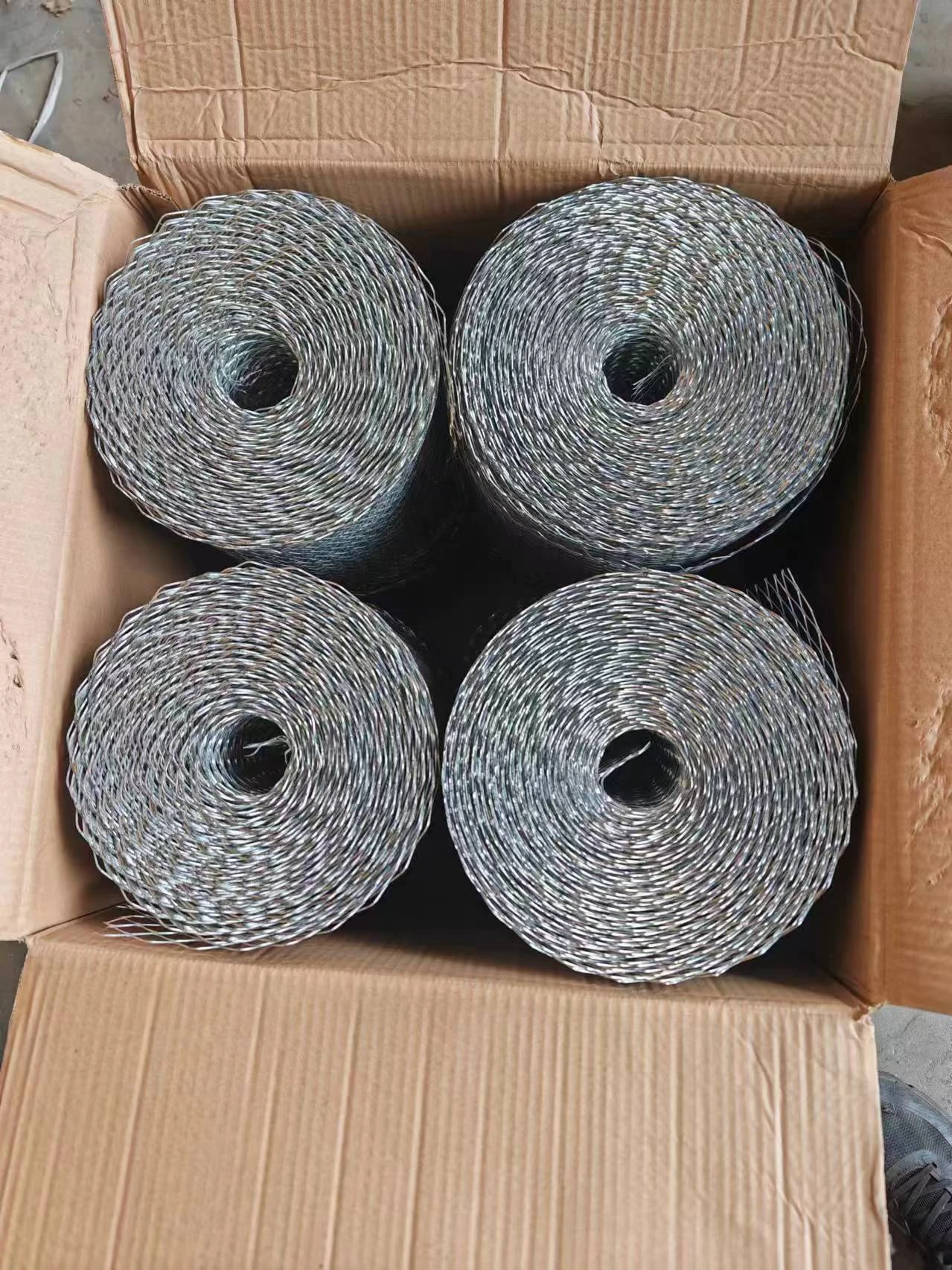
Galvanized wire, a cornerstone material across numerous industries including construction, agriculture, telecommunications, and manufacturing, consists of a steel core coated with a layer of zinc. This process, known as galvanization, fundamentally alters the steel’s properties, providing superior corrosion resistance compared to bare steel. Galvanized wire is typically produced through hot-dip galvanizing, electrogalvanizing, or mechanically galvanizing processes. Within the broader steel wire industry, galvanized wire occupies a significant niche, offering a cost-effective solution for applications demanding durability in harsh environments. Its performance is defined by factors like zinc coating thickness, core steel tensile strength, and wire diameter. A critical pain point in the industry is maintaining consistent coating quality, controlling hydrogen embrittlement during the galvanizing process, and ensuring compliance with increasingly stringent environmental regulations surrounding zinc usage and waste disposal. This guide will provide a comprehensive overview of galvanized wire, from material science and manufacturing to performance characteristics, failure modes, and relevant industry standards.
Material Science & Manufacturing
The foundation of galvanized wire lies in the properties of both the steel core and the zinc coating. Steel cores are typically carbon steel, with varying grades influencing tensile strength and ductility. Common grades include low-carbon steel (e.g., SAE 1008) for ease of forming and higher-carbon steel (e.g., SAE 1095) for increased strength. The zinc used for galvanization is typically of 99.995% purity (Special High Grade zinc - SHG), minimizing impurities that could affect coating adhesion.
Manufacturing Processes: The predominant method is hot-dip galvanizing. This involves cleaning the steel wire (pickling to remove rust and scale, fluxing to promote adhesion), and then immersing it in a bath of molten zinc (typically 450-460°C). The wire is then cooled and often subjected to post-treatment processes like passivation. Key parameters controlled include bath temperature, immersion time, and cooling rate, all influencing coating thickness and morphology. Electrogalvanizing utilizes an electrolytic process to deposit zinc onto the wire. This allows for thinner, more uniform coatings but typically offers lower corrosion resistance compared to hot-dip galvanizing. Mechanically galvanizing involves impact fusing zinc powder onto the wire surface, often used for coating pre-formed wire products.
Microstructural Considerations: The interface between the zinc coating and the steel substrate is crucial. A metallurgical bond forms through the diffusion of zinc into the steel, creating a series of zinc-iron alloy layers (Fe-Zn alloys). These layers offer superior corrosion protection. Controlling the cooling rate is vital to prevent the formation of brittle intermetallic compounds that can reduce coating ductility and adhesion. The grain structure of the zinc coating itself influences its corrosion resistance; finer grain structures generally exhibit better performance.
Performance & Engineering
The primary performance characteristic of galvanized wire is its corrosion resistance. The zinc coating acts as a sacrificial anode, corroding preferentially to the steel and protecting it from rust. The rate of corrosion depends on environmental factors (humidity, salinity, industrial pollutants) and the thickness of the zinc coating. Engineering considerations involve calculating the required zinc coating thickness based on the anticipated service life and exposure conditions.
Force Analysis: Galvanized wire is subjected to tensile forces in many applications, such as fencing, cable armoring, and suspension systems. The tensile strength of the wire is determined by the core steel grade and is affected, albeit slightly, by the zinc coating. The coating can introduce residual stresses during cooling, potentially reducing ductility. Finite element analysis (FEA) is often used to model the stress distribution in galvanized wire structures and optimize designs for specific load conditions.
Environmental Resistance: Galvanized wire exhibits good resistance to atmospheric corrosion, but performance can degrade in specific environments. Acidic rainfall and marine environments accelerate corrosion. The presence of chlorides significantly increases the corrosion rate. High temperatures can lead to oxidation of the zinc coating, reducing its protective effect. Compliance Requirements: Galvanized wire used in construction often must meet ASTM A123 (Standard Specification for Zinc (Hot-Dip Galvanized) Coatings on Iron and Steel Products) and ASTM A641 (Standard Practice for Zinc-Coating Hot-Dip). For agricultural applications, compliance with local regulations regarding zinc leaching into soil may be necessary.
Technical Specifications
| Parameter | Unit | Typical Value (Low Carbon Steel Wire) | Typical Value (High Carbon Steel Wire) |
|---|---|---|---|
| Tensile Strength | MPa | 400-550 | 800-1200 |
| Zinc Coating Thickness | µm | 45-60 | 45-60 |
| Zinc Coating Weight | g/m² | 40-80 | 40-80 |
| Wire Diameter | mm | 0.8 – 5.0 | 0.8 – 5.0 |
| Elongation at Break | % | 15-25 | 8-15 |
| Hydrogen Embrittlement Sensitivity | - | Moderate | High |
Failure Mode & Maintenance
Failure Modes: The most common failure modes for galvanized wire include uniform corrosion (gradual reduction in zinc coating thickness), localized corrosion (pitting, crevice corrosion), and mechanical failure (fracture due to fatigue or excessive load). Hydrogen embrittlement is a significant concern, particularly with high-strength steel wires. During hot-dip galvanizing, atomic hydrogen can diffuse into the steel, causing embrittlement and reducing ductility, leading to premature failure under stress. Coating delamination can occur due to poor surface preparation, excessive coating thickness, or the formation of brittle intermetallic compounds. Oxidation of the zinc coating at high temperatures reduces its protective capabilities.
Maintenance & Prevention: Regular inspection for signs of corrosion is crucial. Cleaning the wire surface to remove dirt and debris can help prevent localized corrosion. For applications where hydrogen embrittlement is a concern, baking (heating the wire to drive off hydrogen) is often employed. Applying a protective coating (e.g., chromate conversion coating) over the zinc layer can enhance corrosion resistance. For severely corroded wire, replacement is the only viable option. Proper storage in a dry environment can minimize corrosion during storage and transportation. Consideration should be given to using corrosion inhibitors in the surrounding environment where feasible. Avoiding bending the wire sharply during installation will also minimize stress and reduce the chance of fatigue failure.
Industry FAQ
Q: What is the primary difference between hot-dip galvanizing and electrogalvanizing in terms of corrosion protection?
A: Hot-dip galvanizing generally provides superior corrosion protection due to the thicker coating and the formation of zinc-iron alloy layers, offering both barrier protection and sacrificial anodic protection. Electrogalvanizing provides a thinner, more uniform coating suitable for applications where aesthetic appearance is critical, but offers less long-term corrosion resistance.
Q: How can hydrogen embrittlement be mitigated during the hot-dip galvanizing process?
A: Mitigation strategies include using inhibitors in the pickling bath to reduce hydrogen absorption, controlling the steel surface condition to minimize hydrogen uptake, and employing post-galvanizing baking treatments to drive out absorbed hydrogen.
Q: What impact does the carbon content of the steel core have on the galvanizing process?
A: Higher carbon steel generally exhibits higher tensile strength but increased susceptibility to hydrogen embrittlement during galvanizing. Lower carbon steel is easier to galvanize but provides lower strength. Careful selection of steel grade is critical based on the application requirements.
Q: What are the key factors to consider when specifying galvanized wire for outdoor applications in coastal environments?
A: Higher zinc coating thickness is essential to counteract the accelerated corrosion caused by salt spray. Regular inspection and maintenance are crucial. Consideration should be given to the use of additional protective coatings or alloys specifically designed for marine environments.
Q: How does the surface preparation of the steel wire impact the quality of the galvanized coating?
A: Thorough surface preparation is paramount. Removing all rust, scale, oil, and other contaminants ensures proper adhesion of the zinc coating. Inadequate surface preparation leads to poor coating quality, reduced corrosion resistance, and potential premature failure.
Conclusion
Galvanized wire remains a vital material in diverse industries due to its cost-effectiveness and robust corrosion protection. Understanding the interplay between material science, manufacturing processes, and environmental factors is critical for ensuring optimal performance and longevity. The selection of appropriate steel grades, control of galvanizing parameters, and implementation of preventative maintenance strategies are crucial for mitigating failure modes such as corrosion, hydrogen embrittlement, and mechanical fracture.
Future trends in galvanized wire technology include the development of new zinc alloys with enhanced corrosion resistance, improved methods for controlling hydrogen embrittlement, and the implementation of more sustainable galvanizing processes to minimize environmental impact. Continued research and development efforts will undoubtedly further enhance the performance and durability of this essential material.