



Introduction
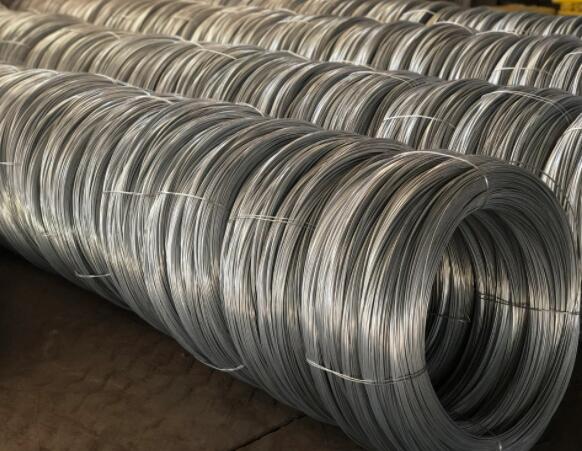
Galvanized wire, defined as carbon steel wire coated with a protective layer of zinc, occupies a critical position within the broader metals industry and serves as a foundational component across numerous downstream applications. Its primary function is to prevent or significantly slow down the corrosion of the underlying steel. The galvanization process, typically hot-dip galvanizing, electro-galvanizing, or zinc-rich paint application, imparts a barrier against environmental factors leading to rust and degradation. Galvanized wire suppliers cater to diverse sectors including construction, agriculture, telecommunications, automotive, and security, providing material for fencing, cables, mesh, springs, and binding applications. Core performance characteristics center around corrosion resistance, tensile strength, ductility, and formability, dictating its suitability for specific end-uses. A key industry pain point centers on maintaining consistent zinc coating thickness and adherence, coupled with managing the cost fluctuations of both steel and zinc raw materials, while adhering to stringent environmental regulations surrounding zinc emissions during manufacturing. Understanding the nuances of galvanization methods and material properties is paramount for selecting the optimal wire for a given application.
Material Science & Manufacturing
The foundational material for galvanized wire is typically low-carbon steel, chosen for its ductility and weldability. The steel composition significantly impacts the galvanizing process and the final coating quality. Common steel grades include SAE 1008, 1010, and 1018. The zinc used for galvanization is typically of high purity (99.995% or higher) to ensure a consistent and adherent coating. Manufacturing begins with wire drawing, reducing the diameter of the steel rod through a series of dies. This process work-hardens the steel, requiring subsequent annealing to restore ductility. The galvanization process itself is the critical step. Hot-dip galvanizing involves immersing the cleaned steel wire in a molten zinc bath (typically 450-460°C). The reaction between the iron and zinc creates a series of zinc-iron alloy layers, culminating in an outer layer of pure zinc. Electro-galvanizing employs an electrolytic cell to deposit zinc onto the wire. Key parameters during hot-dip galvanizing include bath temperature, immersion time, steel surface preparation (cleaning, pickling, fluxing), and cooling rate. In electro-galvanizing, current density, electrolyte composition, and anode material are critical. Post-galvanization, passivation treatments are often applied to further enhance corrosion resistance and prevent "white rust" formation (zinc oxide). Controlling the cooling rate post-galvanization is vital to avoid stress cracking in the zinc coating.
Performance & Engineering
The performance of galvanized wire is directly correlated to its zinc coating thickness, which is typically measured in grams per square meter (g/m²) or weight of zinc per unit length. Corrosion resistance is the primary performance metric. The zinc coating acts as a sacrificial anode, corroding preferentially to the steel. The rate of corrosion depends on environmental factors such as humidity, salinity, and exposure to industrial pollutants. Engineering considerations involve calculating the required zinc coating thickness based on the anticipated service life and exposure conditions. Tensile strength is another critical parameter, determined by the steel grade and wire diameter. Galvanization itself can marginally reduce tensile strength due to the formation of brittle zinc-iron alloy layers, but this is typically within acceptable limits. Ductility and formability are important for applications involving bending or shaping the wire. Furthermore, the adhesion of the zinc coating to the steel substrate is crucial. Poor adhesion can lead to premature coating failure and corrosion. Compliance requirements include adherence to standards for zinc coating thickness, uniformity, and adhesion, as well as environmental regulations regarding zinc emissions and wastewater treatment. Force analysis considers the load-bearing capacity of the wire and its resistance to tensile stresses. Environmental resistance assessments involve accelerated corrosion testing, such as salt spray testing (ASTM B117) and cyclic corrosion testing.
Technical Specifications
| Parameter | Typical Value (Hot-Dip Galvanized) | Typical Value (Electro-Galvanized) | Testing Standard |
|---|---|---|---|
| Zinc Coating Thickness | 50-150 g/m² | 5-20 g/m² | ASTM A646 / ISO 468 |
| Tensile Strength | 400-600 MPa (depending on steel grade) | 400-600 MPa (depending on steel grade) | ASTM A646 / ISO 468 |
| Yield Strength | 250-400 MPa (depending on steel grade) | 250-400 MPa (depending on steel grade) | ASTM A646 / ISO 468 |
| Elongation | 15-25% (depending on steel grade) | 15-25% (depending on steel grade) | ASTM A646 / ISO 468 |
| Adhesion | Pass (visual inspection and bend test) | Pass (visual inspection and bend test) | ASTM A780 |
| Uniformity of Coating | Excellent | Good | ASTM A780 |
Failure Mode & Maintenance
Galvanized wire can fail through several mechanisms. Uniform corrosion is the most common, where the zinc coating corrodes evenly over time. However, localized corrosion, such as pitting corrosion (caused by chloride ions) and crevice corrosion (occurring in shielded areas), can accelerate failure. White rust, a formation of zinc oxide, can occur during storage if the wire is exposed to humidity. Mechanical damage, such as abrasion or impact, can disrupt the zinc coating and expose the underlying steel. Hydrogen embrittlement, a phenomenon where hydrogen atoms diffuse into the steel during pickling or electro-galvanizing, can reduce ductility and lead to brittle fracture. Fatigue cracking can occur in applications involving repeated bending or tensile loading. Delamination of the zinc coating, caused by poor adhesion, is a critical failure mode. Maintenance involves regular inspection for signs of corrosion, mechanical damage, or coating defects. Damaged areas should be recoated with zinc-rich paint or repaired using localized galvanizing techniques. Proper storage is crucial to prevent white rust formation. Wire should be stored in a dry, well-ventilated environment. Applying a protective oil coating can also help to prevent corrosion during storage. Regular cleaning to remove dirt and contaminants can extend the service life of the wire. Periodic assessment of coating thickness using non-destructive testing methods can provide early warning of potential corrosion issues.
Industry FAQ
Q: What are the key differences between hot-dip galvanizing and electro-galvanizing, and how do they impact the cost-performance trade-off?
A: Hot-dip galvanizing provides a much thicker and more robust coating, offering superior corrosion resistance and longevity, but generally at a higher cost. The process is suitable for large-volume production and heavier wire gauges. Electro-galvanizing offers a thinner, more uniform coating and is ideal for smaller wire diameters and applications where precision is paramount. While less corrosion resistant than hot-dip, it's often more cost-effective for certain applications. The choice depends heavily on the required service life and environmental exposure.
Q: How does the steel grade influence the galvanizing process and the final properties of the galvanized wire?
A: Steel grade significantly impacts galvanizing. Higher carbon content can lead to the formation of thicker, more brittle zinc-iron alloy layers, potentially reducing ductility. Steel with higher sulfur or phosphorus levels can also affect coating adhesion. Low-carbon steel grades (like 1008) are typically preferred for optimal galvanizing results. Pre-treatment processes, like pickling, need to be adjusted based on the steel grade composition.
Q: What are the common causes of premature coating failure in galvanized wire, and how can these be mitigated?
A: Common causes include inadequate surface preparation before galvanizing, poor coating adhesion, localized corrosion due to chloride exposure, mechanical damage, and hydrogen embrittlement. Mitigation strategies involve rigorous surface cleaning and pre-treatment, ensuring proper galvanizing parameters, avoiding exposure to corrosive environments, providing protective coatings, and employing stress-relieving heat treatments to minimize hydrogen embrittlement.
Q: What are the environmental regulations affecting galvanized wire manufacturing, and how are suppliers addressing these concerns?
A: Galvanized wire manufacturing generates wastewater containing zinc and other heavy metals, as well as air emissions from the galvanizing process. Regulations (e.g., EPA in the US, REACH in Europe) limit these discharges. Suppliers are implementing closed-loop water recycling systems, air pollution control technologies (scrubbers, filters), and alternative galvanizing processes with reduced environmental impact. Responsible sourcing of zinc and adherence to environmental management systems (ISO 14001) are also crucial.
Q: How can I accurately specify the required zinc coating thickness for my application to ensure adequate corrosion protection?
A: Specify the coating thickness based on the expected exposure environment (indoor, outdoor, marine, industrial) and the desired service life. Consult corrosion rate data and standards like ASTM A646 to determine the appropriate zinc coating weight (g/m²). Consider factors such as humidity, salinity, and exposure to pollutants. For critical applications, conduct accelerated corrosion testing to validate the coating performance.
Conclusion
Galvanized wire remains an indispensable material in a vast array of industries, owing to its effective corrosion protection and versatile properties. The selection of the appropriate galvanization method—hot-dip versus electro-galvanizing—is critically dependent on the balance between cost, performance demands, and application specifics. A thorough understanding of material science, manufacturing processes, and potential failure modes is essential for ensuring long-term reliability and maximizing the value of galvanized wire in demanding environments.
Future advancements in galvanizing technology will likely focus on developing more environmentally friendly processes, enhancing coating adhesion and uniformity, and improving corrosion resistance through alloy additions and surface treatments. Maintaining rigorous quality control measures throughout the manufacturing process, and adhering to relevant international standards, will remain paramount for galvanized wire suppliers to meet the evolving needs of their customers and ensure the longevity of this critical material.