



Introduction
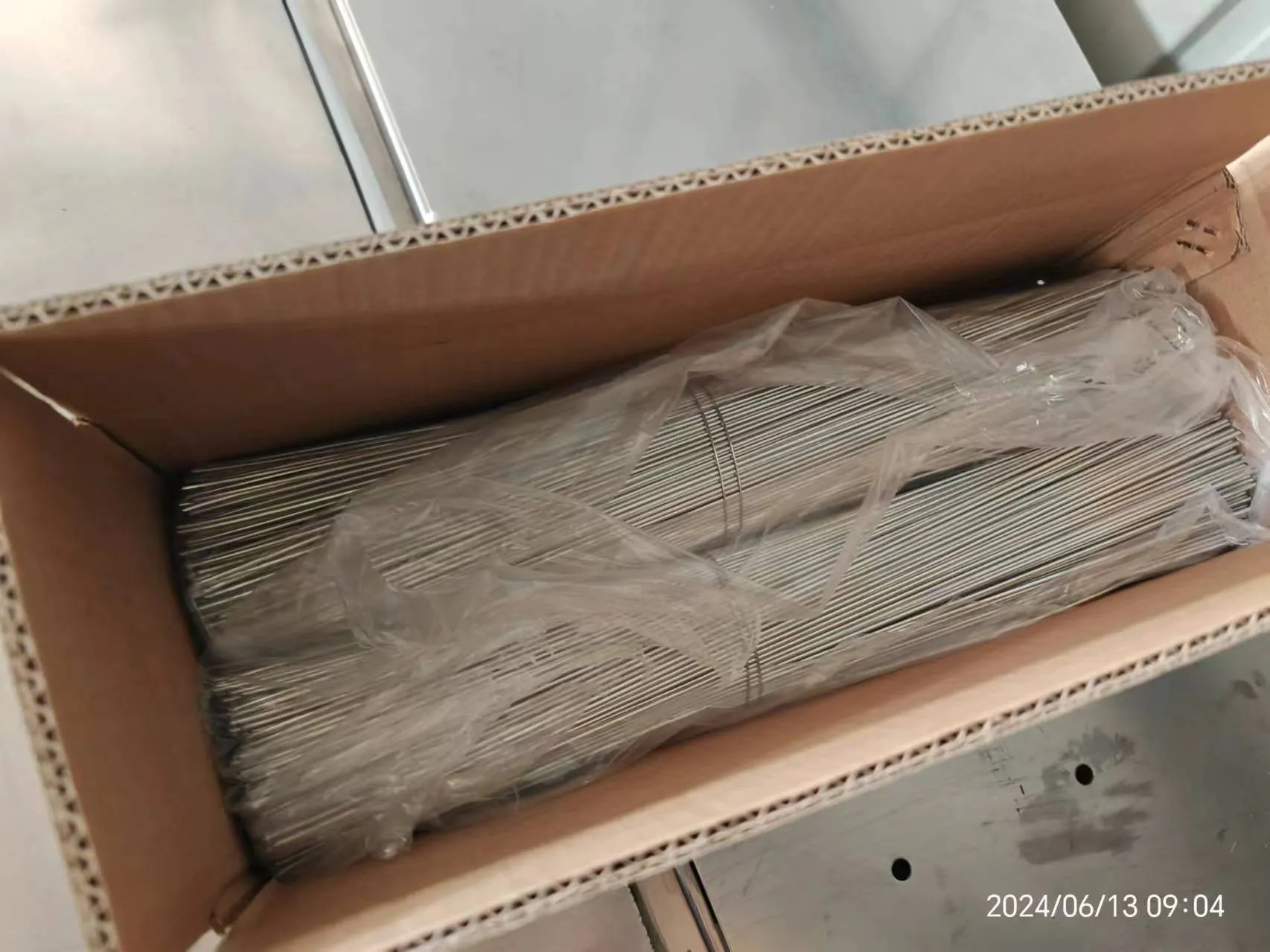
Garden wire, specifically 1mm diameter, represents a critical fastening and support element within horticultural applications, landscaping, and general garden maintenance. Its technical position lies as a low-cost, readily deployed mechanical component, functioning as a substitute for more complex joining methods like welding or bolting where strength requirements are moderate. This wire is typically produced from mild steel, galvanized steel, or increasingly, polymer-coated steel for enhanced corrosion resistance. Core performance characteristics center on tensile strength, ductility (allowing for bending and shaping), and longevity in outdoor environments. Degradation due to environmental factors is the primary performance limitation addressed by coating technologies. The 1mm diameter offers a balance between sufficient strength for most garden tasks and ease of manipulation, enabling pruning, tying plants to supports, creating temporary structures, and securing netting.
Material Science & Manufacturing
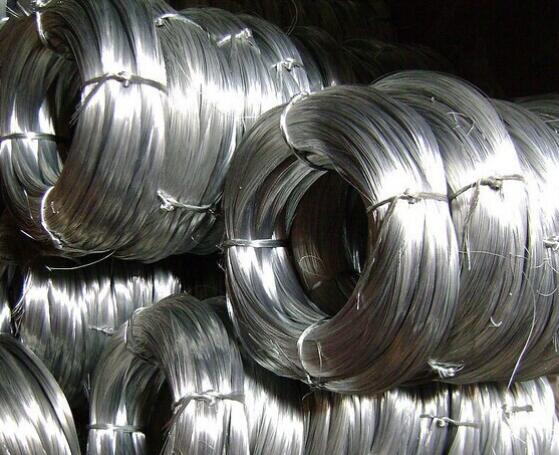
The predominant raw material for 1mm garden wire is low-carbon steel (typically SAE 1008 or similar), due to its balance of cost, ductility, and tensile strength. Galvanization utilizes zinc coatings (hot-dip or electrogalvanized) to provide sacrificial corrosion protection, forming a protective layer that corrodes preferentially to the steel substrate. Polymer coatings, such as PVC or polyethylene, offer a barrier against moisture and further enhance corrosion resistance, though typically at a lower level of sacrificial protection than galvanization. Manufacturing begins with wire drawing, reducing the diameter of a larger steel rod through a series of progressively smaller dies. This process work-hardens the steel, increasing its tensile strength but reducing its ductility. Annealing, a heat treatment process, is often employed post-drawing to restore ductility and facilitate subsequent bending and shaping. The wire is then formed into coils of varying lengths. For galvanized wire, the drawing process often precedes galvanization. Quality control focuses on diameter consistency (using laser micrometers), tensile strength (via tensile testing machines), zinc coating thickness (using eddy current testing or gravimetric analysis), and adherence of polymer coatings (using peel tests and impact resistance testing). Key parameter control includes die lubrication during wire drawing to prevent galling, annealing temperature and time to achieve optimal ductility, and zinc bath composition and temperature for galvanization to ensure uniform coating thickness.
Performance & Engineering
Performance of garden wire is dictated by its ability to withstand tensile loads without permanent deformation or fracture, and its resistance to environmental degradation. Tensile strength is typically in the range of 300-500 MPa for uncoated steel, increasing slightly with cold working. Ductility, measured by elongation at break, should be sufficient to allow bending and shaping without cracking (typically >15%). Force analysis focuses on the load-bearing capacity of the wire when used for tying, supporting, or securing objects. Environmental resistance is critical, particularly against corrosion. Exposure to moisture, salts, and UV radiation accelerates corrosion processes. Galvanization and polymer coatings slow these processes, but eventually, the protective layer will degrade, exposing the steel to corrosion. Compliance requirements depend on the intended application. For example, if used in contact with edible plants, the coating must be non-toxic and food-grade. For applications requiring higher strength or UV resistance, higher-grade materials like stainless steel or UV-stabilized polymers may be necessary. Failure analysis often reveals corrosion-induced section loss leading to brittle fracture, or fatigue cracking due to repeated bending. Engineering considerations include selecting the appropriate wire gauge (diameter) for the expected load, using appropriate knotting techniques to maximize strength and minimize stress concentration, and regularly inspecting the wire for signs of corrosion or damage.
Technical Specifications
| Parameter | Units | Mild Steel (Uncoated) | Galvanized Steel |
|---|---|---|---|
| Diameter | mm | 1.0 ± 0.02 | 1.0 ± 0.02 |
| Tensile Strength | MPa | 350-450 | 380-480 |
| Elongation at Break | % | 18-25 | 15-22 |
| Zinc Coating Thickness | µm | N/A | 40-60 (minimum) |
| Yield Strength | MPa | 220-300 | 250-330 |
| Corrosion Resistance (Salt Spray Test) | Hours | <24 | 240-480 |
Failure Mode & Maintenance
The most common failure modes for garden wire are corrosion, fatigue cracking, and overload fracture. Corrosion, particularly in untreated steel, leads to section loss and reduced tensile strength, ultimately resulting in brittle fracture. This is accelerated in marine environments or areas with high salt content. Fatigue cracking occurs due to repeated bending and flexing, especially at points of stress concentration (e.g., knots or sharp bends). This manifests as small cracks that propagate over time until the wire fails. Overload fracture occurs when the applied load exceeds the wire’s tensile strength. Maintenance largely revolves around preventative measures. Regular visual inspection for signs of corrosion (rusting) or damage (kinks, bends, cracks) is crucial. Wire showing significant corrosion should be replaced. Avoid excessively tight knots or sharp bends, as these create stress concentrations and increase the risk of fatigue cracking. For galvanized wire, applying a light coat of oil can help prevent corrosion, particularly after minor scratches or abrasions. Polymer-coated wire benefits from periodic cleaning to remove dirt and debris, which can trap moisture and accelerate corrosion. Avoid using abrasive cleaners, as these can damage the coating. Proper storage in a dry environment also extends service life.
Industry FAQ
Q: What is the difference between galvanized and PVC-coated garden wire, and which offers better long-term performance in a coastal environment?
A: Galvanized wire utilizes a zinc coating providing sacrificial corrosion protection – the zinc corrodes before the steel. PVC coating provides a barrier against moisture, but once breached, corrosion can occur directly on the steel. In a coastal environment, while PVC initially offers protection, salt spray will eventually compromise the coating, leading to localized corrosion. Galvanized wire, despite eventual zinc depletion, generally performs better in marine conditions due to the sacrificial nature of the coating, self-healing minor scratches, and a slower overall corrosion rate. However, thicker PVC coatings with UV stabilizers can offer enhanced longevity.
Q: How does wire diameter impact the load-bearing capacity, and is 1mm sufficient for supporting climbing plants like tomatoes?
A: Load-bearing capacity increases proportionally to the wire's cross-sectional area (πr²). Therefore, a thicker wire can withstand significantly greater loads. 1mm wire is generally adequate for supporting lightweight climbing plants like tomatoes, provided the support structure is well-designed and distributes the load evenly. However, for heavier plants or in areas prone to strong winds, a 1.2mm or 1.5mm wire is recommended for increased safety and reliability.
Q: What is the typical tensile strength variation expected within a single coil of 1mm galvanized garden wire?
A: Tensile strength variation within a single coil is generally within ±5% of the specified minimum tensile strength (typically 380-480 MPa). Variations can occur due to minor inconsistencies in the manufacturing process, such as slight diameter fluctuations or localized differences in galvanization thickness. Reputable manufacturers perform rigorous quality control to minimize these variations.
Q: Can garden wire be reused, and if so, what precautions should be taken?
A: Garden wire can be reused, but careful inspection is critical. Discard any wire showing signs of significant corrosion, kinks, bends, or fatigue cracking. If the wire appears to be in good condition, thoroughly clean it to remove dirt and debris. Re-galvanizing or applying a protective coating is recommended before reuse, particularly if it has been exposed to harsh environmental conditions. Be aware that each reuse cycle diminishes the wire’s strength and increases the risk of failure.
Q: What is the impact of different knotting techniques on the wire's tensile strength?
A: Different knotting techniques significantly impact tensile strength. Tight knots create stress concentrations, reducing the overall load-bearing capacity. A simple overhand knot can reduce strength by up to 50%. More complex knots, while potentially more secure, often introduce further stress concentrations. Techniques that distribute the load more evenly, such as using multiple wraps or incorporating a cushioning material, are preferred. Utilizing proper knot tying techniques is paramount to maximize the wire's effective strength.
Conclusion
Garden wire 1mm, while seemingly a simple product, represents a carefully engineered balance of material properties, manufacturing processes, and performance characteristics. Its effectiveness relies on understanding the trade-offs between cost, strength, ductility, and environmental resistance. The choice between uncoated, galvanized, or polymer-coated wire depends heavily on the specific application and anticipated environmental conditions. Prioritizing quality control measures during manufacturing and implementing preventative maintenance practices are essential for maximizing the service life and ensuring the reliable performance of this ubiquitous garden component.
Future developments may focus on alternative coating materials offering improved corrosion resistance and UV stability, as well as the integration of sensors for monitoring wire tension and detecting signs of impending failure. Furthermore, advancements in wire drawing techniques could lead to tighter diameter tolerances and improved mechanical properties. Ultimately, a thorough understanding of the material science and engineering principles governing garden wire performance is crucial for informed procurement and effective utilization within horticultural and landscaping applications.