



Introduction
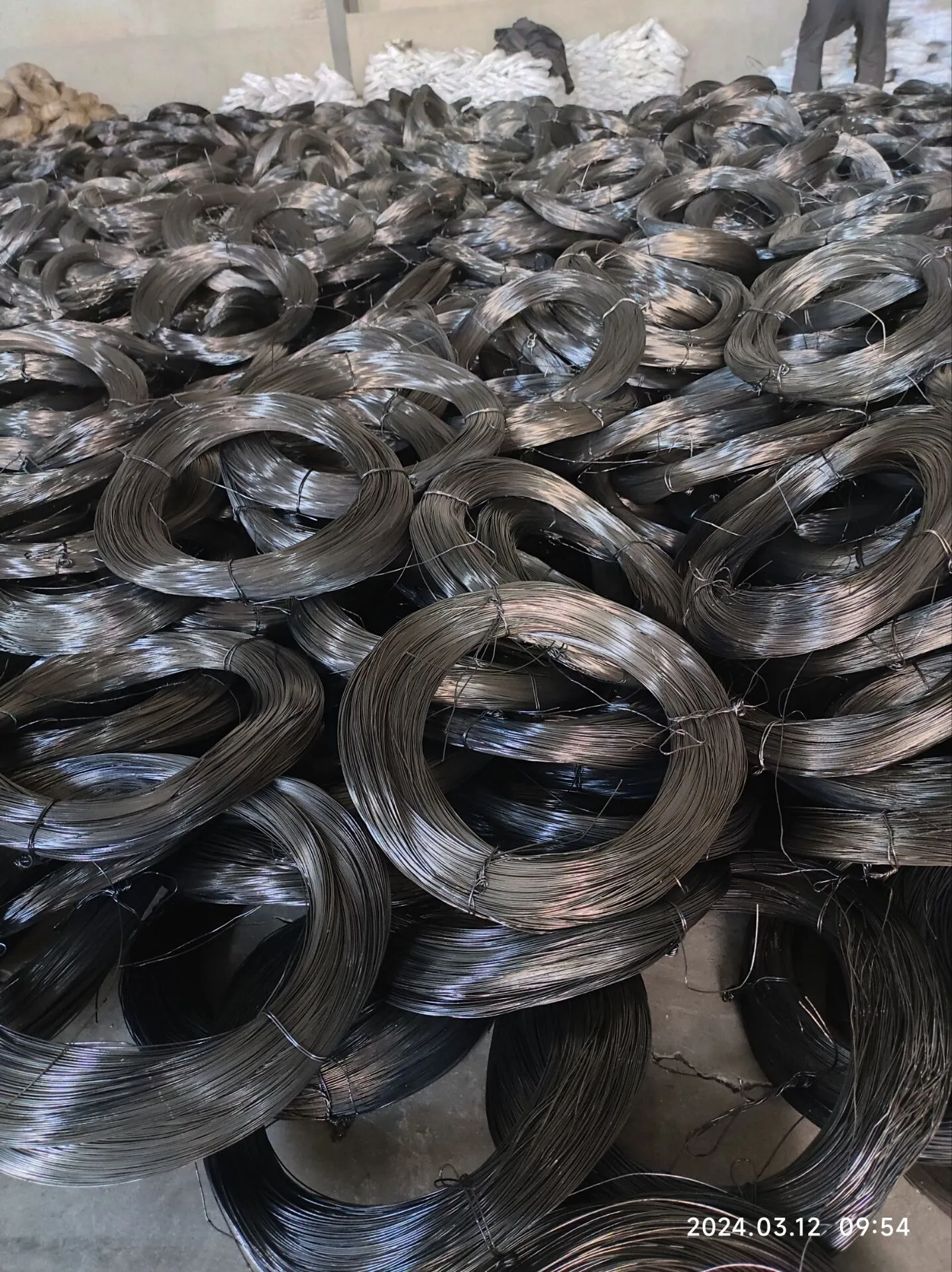
Galvanized (GI) steel wire is a carbon steel wire coated with a zinc layer, primarily to prevent corrosion and enhance its lifespan. It occupies a crucial position in numerous industries, acting as a foundational component in construction, agriculture, telecommunications, and manufacturing. GI steel wire's performance characteristics—tensile strength, ductility, and corrosion resistance—dictate its suitability for applications ranging from fencing and cable armoring to springs and mesh reinforcement. Understanding the nuances of its material composition, manufacturing processes, and potential failure modes is critical for ensuring structural integrity and longevity in demanding industrial environments. The prevalence of GI steel wire stems from its cost-effectiveness compared to stainless steel alternatives, while still providing a substantial barrier against environmental degradation. This guide provides a comprehensive technical overview of GI steel wire, addressing its material science, manufacturing techniques, performance considerations, failure analysis, and relevant industry standards.
Material Science & Manufacturing
The base material for GI steel wire is typically carbon steel, with varying carbon content influencing its mechanical properties. Common grades include low-carbon steel (0.05% - 0.25% C) for improved ductility and high-carbon steel (0.6% - 1.0% C) for increased tensile strength. The zinc coating is applied through several methods: hot-dip galvanizing, electro-galvanizing, and mechanical plating. Hot-dip galvanizing involves immersing the steel wire in molten zinc, resulting in a metallurgically bonded coating with excellent corrosion resistance due to the formation of zinc-iron alloy layers. Electro-galvanizing employs an electrolytic process to deposit zinc onto the wire, providing a more uniform coating thickness and smoother surface finish. Mechanical plating utilizes impact force to adhere zinc particles to the steel surface.
The manufacturing process typically involves wire drawing, where the steel billet is pulled through a series of dies to reduce its diameter and increase its tensile strength. Precise control of the drawing speed, die angle, and lubrication are vital to prevent surface defects and maintain dimensional accuracy. Following wire drawing, the galvanizing process is applied. Critical parameters during hot-dip galvanizing include zinc bath temperature (around 450°C), immersion time, and cooling rate. Rapid cooling can induce thermal stress and potentially lead to coating cracking. For electro-galvanizing, control of current density, electrolyte composition, and pH are essential for achieving desired coating thickness and uniformity. Post-galvanizing treatments, such as passivation, are often applied to enhance corrosion resistance and improve coating adhesion.
Performance & Engineering
The performance of GI steel wire is characterized by its tensile strength, yield strength, elongation, and corrosion resistance. Tensile strength, determined through standardized tests like ASTM A610, dictates the wire’s ability to withstand pulling forces without breaking. Yield strength represents the stress at which permanent deformation begins. Elongation indicates the wire’s ductility, or its ability to stretch before fracturing. Corrosion resistance is primarily attributed to the zinc coating, which acts as a sacrificial anode, protecting the underlying steel from oxidation.
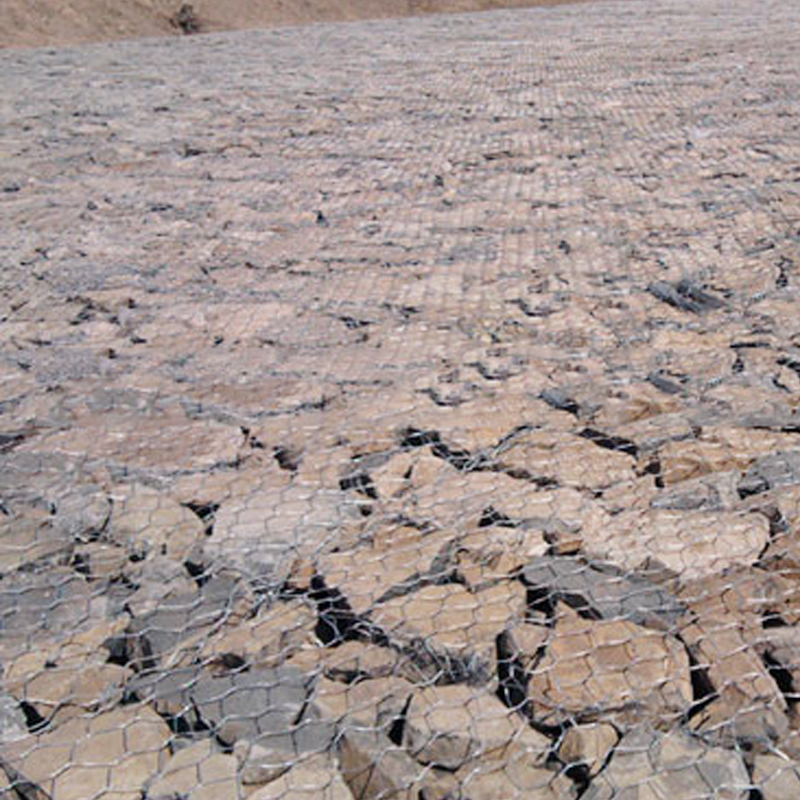
Engineering applications require careful consideration of environmental factors. Exposure to chlorides (marine environments, de-icing salts) accelerates corrosion. Exposure to high temperatures can reduce the effectiveness of the zinc coating and potentially lead to its degradation. Force analysis is crucial in applications involving static or dynamic loads, such as fencing or suspension cables. Finite element analysis (FEA) can be employed to predict stress distribution and ensure structural integrity. Compliance requirements vary depending on the industry and application; for example, fencing wire must meet specific gauge and tensile strength requirements as defined by relevant agricultural standards, while wire used in cable armoring must comply with telecommunications industry regulations. Furthermore, the coating weight, measured in grams per square meter (g/m²), significantly influences the long-term corrosion performance. Higher coating weights generally provide superior protection.
Technical Specifications
| Parameter | Unit | Typical Value (Low Carbon Steel Wire) | Typical Value (High Carbon Steel Wire) |
|---|---|---|---|
| Tensile Strength | MPa | 300-400 | 700-1000 |
| Yield Strength | MPa | 200-250 | 500-700 |
| Elongation | % | 15-25 | 8-15 |
| Zinc Coating Weight | g/m² | 60-80 | 60-80 |
| Wire Diameter | mm | 0.8-4.0 | 1.0-6.0 |
| Corrosion Resistance (Salt Spray Test) | Hours | 120-300 | 120-300 |
Failure Mode & Maintenance
Common failure modes of GI steel wire include corrosion, fatigue cracking, and hydrogen embrittlement. Corrosion, as previously discussed, is a primary concern, particularly in harsh environments. Rusting of the steel substrate occurs when the zinc coating is depleted, exposing the underlying metal to the elements. Fatigue cracking arises from repeated cyclic loading, leading to crack initiation and propagation, especially in applications like suspension cables. Hydrogen embrittlement occurs when atomic hydrogen diffuses into the steel lattice, reducing its ductility and increasing its susceptibility to cracking. This is particularly relevant in electro-galvanized wires where hydrogen can be generated during the electrolytic process.
Preventive maintenance is crucial for extending the service life of GI steel wire. Regular inspections for signs of corrosion, such as rust spots or blistering of the coating, are essential. Application of protective coatings, such as zinc-rich paints or epoxy coatings, can provide an additional barrier against corrosion. For wires subjected to fatigue loading, periodic stress relief and replacement are recommended. Proper storage conditions, avoiding exposure to moisture and corrosive substances, can also minimize degradation. If corrosion is detected, localized repairs may be possible using zinc-based repair compounds, but severe corrosion necessitates complete replacement of the wire. Furthermore, the use of compatible materials in contact with GI steel wire is important to avoid galvanic corrosion.
Industry FAQ
Q: What is the impact of different galvanizing methods (hot-dip vs. electro-galvanizing) on the long-term corrosion resistance of GI steel wire?
A: Hot-dip galvanizing generally provides superior long-term corrosion resistance due to the thicker coating and the formation of metallurgically bonded zinc-iron alloy layers. Electro-galvanizing offers a smoother, more uniform coating but typically has a thinner zinc layer, making it more susceptible to corrosion in harsh environments over extended periods. However, advancements in electro-galvanizing techniques, such as multi-stage coating processes, are narrowing the performance gap.
Q: How does the carbon content of the steel substrate influence the mechanical properties and corrosion resistance of GI steel wire?
A: Lower carbon content (low-carbon steel) results in increased ductility and formability, making the wire easier to bend and shape. However, it also reduces tensile strength. Higher carbon content (high-carbon steel) increases tensile strength but decreases ductility. The zinc coating protects the steel substrate from corrosion regardless of carbon content, but the underlying steel's mechanical properties dictate its ability to withstand stress and deformation.
Q: What are the key factors to consider when selecting GI steel wire for outdoor fencing applications in coastal environments?
A: In coastal environments, chloride exposure is a major corrosion driver. Selecting a wire with a high zinc coating weight is paramount. Additionally, consider using a wire with a passivation treatment to enhance corrosion resistance. Regular inspection and maintenance, including the application of protective coatings, are crucial for extending the fence’s lifespan.
Q: What is hydrogen embrittlement, and how can it be mitigated in GI steel wire manufacturing?
A: Hydrogen embrittlement occurs when atomic hydrogen diffuses into the steel, reducing its ductility and increasing its susceptibility to cracking. It's more prevalent in electro-galvanized wires. Mitigation strategies include optimizing the electro-galvanizing process to minimize hydrogen generation, applying post-coating baking treatments to drive out absorbed hydrogen, and utilizing steel grades with lower susceptibility to hydrogen embrittlement.
Q: How do different standards (ASTM, ISO) define the quality and performance criteria for GI steel wire?
A: ASTM A610 specifies the requirements for carbon steel wire used for fencing, cable, and other applications, covering tensile strength, elongation, and coating weight. ISO 7877 defines the requirements for galvanized steel strands used in wire ropes, focusing on mechanical properties and corrosion resistance. Adherence to these standards ensures consistent quality and reliable performance.
Conclusion
GI steel wire remains a vital material across diverse industrial sectors due to its compelling combination of strength, ductility, and corrosion resistance. The manufacturing process, particularly the galvanizing method and coating weight, fundamentally dictates its performance characteristics and longevity. Understanding the potential failure modes – corrosion, fatigue cracking, and hydrogen embrittlement – is crucial for implementing effective preventative maintenance strategies. Selecting the appropriate grade of steel and ensuring compliance with relevant industry standards (ASTM, ISO) are essential steps in guaranteeing the structural integrity and reliable service life of GI steel wire components.
Looking ahead, advancements in coating technologies, such as the development of zinc-aluminum alloy coatings, promise to further enhance the corrosion resistance and durability of steel wire. Ongoing research into hydrogen embrittlement mitigation techniques will also contribute to improved performance, particularly in demanding applications. As sustainability concerns grow, exploring recycled steel sources and optimizing manufacturing processes to minimize environmental impact will become increasingly important considerations in the GI steel wire industry.