



Introduction
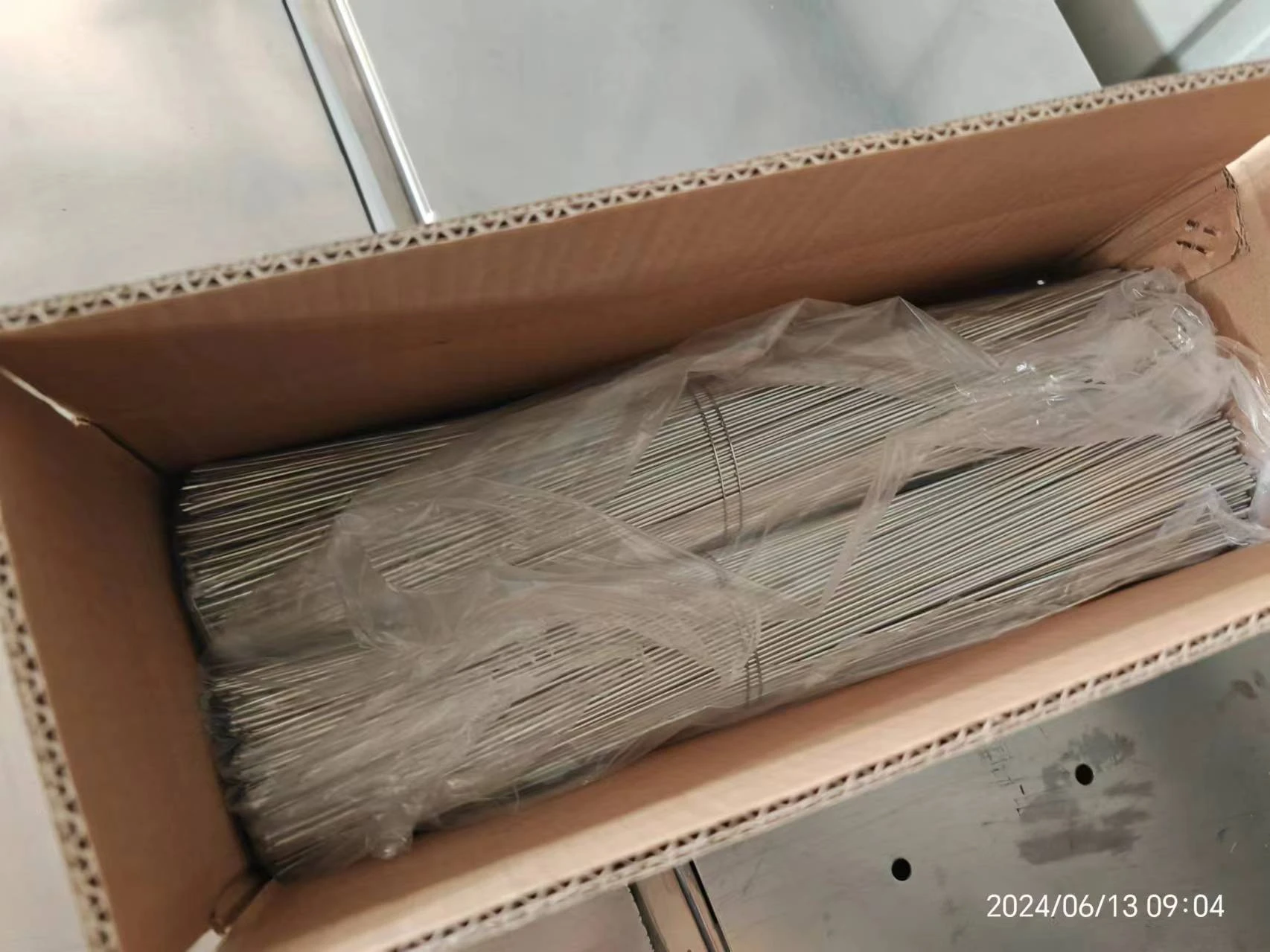
Galvanized (GI) tie wire 12 gauge is a crucial component in numerous construction, agricultural, and industrial applications. It is a cold-drawn, annealed or unannealed steel wire coated with a zinc layer, providing corrosion resistance. Positioned within the fastening and binding segment of the wire product industry, GI tie wire 12 serves as a primary method for securing materials such as rebar, mesh, and fencing. Its 12-gauge diameter strikes a balance between tensile strength for secure binding and malleability for ease of manipulation. Core performance characteristics include tensile strength, ductility, zinc coating weight, and resistance to environmental degradation. The increasing demand for durable and cost-effective binding solutions drives continued importance of this product within various sectors. A key pain point in the industry stems from inconsistent zinc coating quality, leading to premature corrosion and project delays, as well as variations in wire diameter impacting binding efficiency. Understanding the nuances of its material science, manufacturing processes, and potential failure modes is critical for optimized performance and longevity.
Material Science & Manufacturing
GI tie wire 12 typically utilizes low-carbon steel (SAE 1008 or equivalent) as its base material. This steel is chosen for its ductility and weldability. The primary raw material, steel billet, undergoes a cold-drawing process to achieve the desired 12-gauge (approximately 2.64 mm) diameter. This process work-hardens the steel, increasing its tensile strength but reducing its ductility. Annealing, a heat treatment process, is then often employed to restore ductility and facilitate bending and twisting. The zinc coating is applied through a hot-dip galvanizing process. Steel wire is passed through a molten zinc bath, creating a metallurgical bond between the zinc and the steel substrate. The thickness of the zinc coating is a critical parameter, usually measured in weight per unit area (grams per square meter - g/m²). Typical coating weights range from 60-260 g/m², depending on the intended application and corrosion resistance requirements. Key parameter control during manufacturing includes maintaining consistent zinc bath temperature, wire speed, and cooling rate. Impurities in the steel, such as sulfur and phosphorus, can negatively impact the galvanizing process and the resulting coating quality. The zinc’s crystal structure, primarily composed of eta and zeta phases, dictates the coating’s performance; a more refined and homogenous microstructure contributes to better corrosion protection. Wire drawing lubricants must be carefully selected to minimize surface defects and ensure consistent diameter. Residual stress from cold working must be relieved through annealing to prevent stress corrosion cracking.
Performance & Engineering
The performance of GI tie wire 12 is governed by its mechanical properties and corrosion resistance. Tensile strength, typically ranging from 80-100 ksi (550-690 MPa), dictates its load-bearing capacity. Ductility, measured by elongation percentage, determines its ability to bend and tie securely without fracturing. The zinc coating provides a barrier against corrosion, protecting the steel substrate from oxidation. The effectiveness of this protection depends on the coating thickness and the presence of any defects. Environmental resistance is assessed through salt spray testing (ASTM B117) and cyclic corrosion testing. Force analysis during application involves understanding the stresses induced by bending and twisting. Excessive bending radius can lead to localized yielding and reduced strength. Compliance requirements vary depending on the application. For rebar tying, ASTM A82 is a common standard specifying the wire gauge, tensile strength, and bendability. For agricultural applications, resistance to soil corrosion and UV exposure are paramount. The wire's ability to maintain its integrity under cyclical loading conditions (repeated bending and flexing) is crucial in applications like vineyard trellising. Electrochemical corrosion principles govern the protection mechanism: the zinc acts as a sacrificial anode, corroding preferentially to the steel. This galvanic protection is most effective when the zinc coating is continuous and free of defects. Understanding the impact of different environmental factors – humidity, temperature, salinity – on the corrosion rate is essential for predicting the service life of the wire.
Technical Specifications
| Parameter | Specification | Testing Standard | Typical Value |
|---|---|---|---|
| Gauge (Diameter) | 12 AWG (2.64 mm) | ASTM A938 | 2.64 mm +/- 0.025 mm |
| Tensile Strength | 80-100 ksi | ASTM A82 | 620 MPa |
| Elongation | 15-25% | ASTM A82 | 20% |
| Zinc Coating Weight | 60-260 g/m² | ASTM B117 | 180 g/m² |
| Zinc Coating Thickness | 5-25 μm | ASTM B117 | 15 μm |
| Minimum Bend Radius | 4x Wire Diameter | In-house Testing | 10.56 mm |
Failure Mode & Maintenance
Failure modes of GI tie wire 12 primarily revolve around corrosion and mechanical failure. Uniform corrosion occurs when the entire zinc coating is consumed, exposing the steel to oxidation. Localized corrosion, such as pitting and crevice corrosion, can occur due to defects in the zinc coating or exposure to chloride ions. Hydrogen embrittlement, a phenomenon where hydrogen atoms diffuse into the steel lattice, can lead to brittle fracture under stress. Mechanical failures include fatigue cracking, especially in applications involving cyclical loading, and tensile overload, where the wire exceeds its tensile strength. Delamination of the zinc coating can occur due to poor adhesion or thermal stress. Oxidation of the exposed steel substrate leads to rust formation, reducing the wire's strength and aesthetic appearance. Maintenance typically involves visual inspection for signs of corrosion or damage. Wires exhibiting significant corrosion should be replaced immediately. In applications where prolonged corrosion resistance is critical, applying a supplemental coating (e.g., epoxy or polyurethane) can extend the wire's service life. Proper storage is also important; wires should be stored in a dry environment to prevent premature corrosion. Avoid using abrasive materials or harsh chemicals that can damage the zinc coating. Periodic application of a zinc-rich compound can help replenish the coating and provide additional protection.
Industry FAQ
Q: What is the impact of different zinc coating methods (hot-dip galvanizing vs. electrogalvanizing) on the performance of tie wire?
A: Hot-dip galvanizing provides a thicker, more durable zinc coating with superior corrosion resistance due to the metallurgical bond formed. Electrogalvanizing yields a thinner, more uniform coating, suitable for less demanding applications. However, electrogalvanized coatings are generally less robust and prone to earlier corrosion in harsh environments.
Q: How does the presence of chlorides in the environment affect the corrosion rate of GI tie wire?
A: Chlorides accelerate corrosion by disrupting the passive film on the zinc coating, leading to localized corrosion such as pitting. Coastal environments and areas using de-icing salts are particularly problematic. Higher chloride concentrations significantly reduce the service life of the wire.
Q: What are the key factors to consider when selecting the appropriate gauge of GI tie wire for a specific application?
A: Gauge selection depends on the load requirements and the material being tied. Thicker gauges (lower numbers) provide higher tensile strength but are less flexible. 12-gauge is a common compromise for general-purpose applications. Consider the wire's exposure to environmental stressors; in corrosive environments, a heavier gauge or supplemental coating might be necessary.
Q: What is the significance of annealing in the manufacturing process of GI tie wire?
A: Annealing restores the ductility of the steel after cold drawing, making it easier to bend and tie without fracturing. Without annealing, the wire would be brittle and prone to breaking during application. The annealing process also relieves internal stresses that can contribute to corrosion.
Q: How do you ensure consistent zinc coating quality and prevent defects like bare spots or blisters?
A: Consistent quality relies on rigorous process control during hot-dip galvanizing, including maintaining optimal bath temperature, controlled cooling rates, and proper surface preparation of the steel wire. Regular inspection for defects, adherence to ASTM standards, and supplier quality audits are crucial. Surface contaminants on the wire before galvanizing must be thoroughly removed.
Conclusion
GI tie wire 12 remains an indispensable fastening solution across diverse industries due to its cost-effectiveness and adequate corrosion resistance. Understanding the interplay between material science, manufacturing processes, and environmental factors is paramount for ensuring its optimal performance and longevity. The zinc coating's quality, steel substrate composition, and proper application techniques directly influence its service life and reliability.
Future advancements in protective coatings, such as zinc-aluminum alloys, and optimized galvanizing processes promise to further enhance the corrosion resistance of GI tie wire. Continued research into the effects of various environmental conditions and the development of more accurate predictive models for corrosion rates will be essential for optimizing wire selection and extending its service life. Addressing the industry pain points of inconsistent coating quality and dimensional tolerances through improved quality control measures remains crucial.