



Introduction
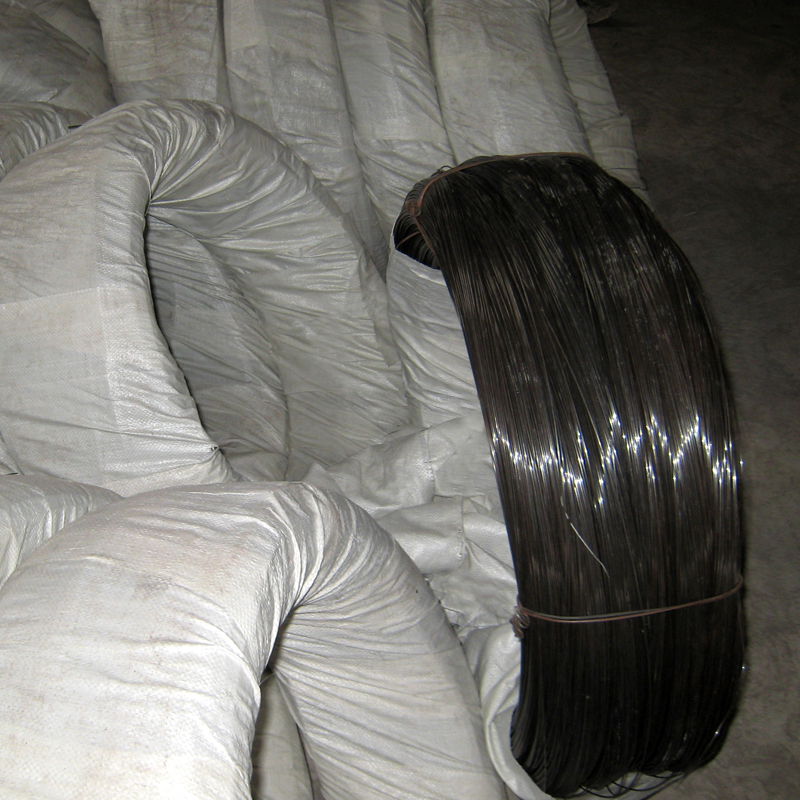
Galvanized (GI) tie wire is a crucial fastening component utilized extensively across diverse industrial and construction applications. Positioned within the supply chain as a secondary, yet essential, material, it serves to bind, secure, and support primary structural elements. Typically manufactured from carbon steel wire coated with a layer of zinc via hot-dip galvanization, its primary function is to provide temporary or permanent fastening where high tensile strength and corrosion resistance are required. Core performance characteristics include tensile strength, ductility, zinc coating thickness, and resistance to environmental degradation. GI tie wire addresses the industry pain point of maintaining structural integrity in corrosive environments without the high cost of stainless steel alternatives, specifically in applications where long-term, permanent fastening isn’t paramount but reliable, robust securing is essential.
Material Science & Manufacturing
The fundamental raw material for GI tie wire is typically low-carbon steel (typically SAE 1008 or similar) selected for its ductility and formability. The steel’s chemical composition directly influences its tensile strength and weldability. The hot-dip galvanization process is the defining manufacturing step. Steel wire is first cleaned to remove mill scale and contaminants (pickling with hydrochloric acid is common). Fluxing, usually with zinc ammonium chloride, prepares the surface for zinc adhesion. The wire is then immersed in a bath of molten zinc (typically 98% purity) maintained at approximately 450°C (842°F). The zinc metallurgically bonds to the steel, forming a protective layer. Key process parameters include bath temperature, immersion time, and cooling rate. Control of these parameters dictates the thickness and uniformity of the zinc coating. Annealing, a heat treatment process, is often performed after galvanization to increase ductility, enhancing the wire's ability to be twisted and manipulated without fracturing. Wire drawing further refines the diameter and increases tensile strength, introducing strain hardening. Quality control involves regular testing of zinc coating thickness (using non-destructive methods like eddy current testing), adhesion, and metallographic examination to verify the metallurgical bond between the zinc and steel substrate. Variations in steel composition (carbon content, manganese levels) and galvanization parameters (zinc bath chemistry, cooling rate) result in distinct material properties and ultimately impact the tie wire's performance.
Performance & Engineering
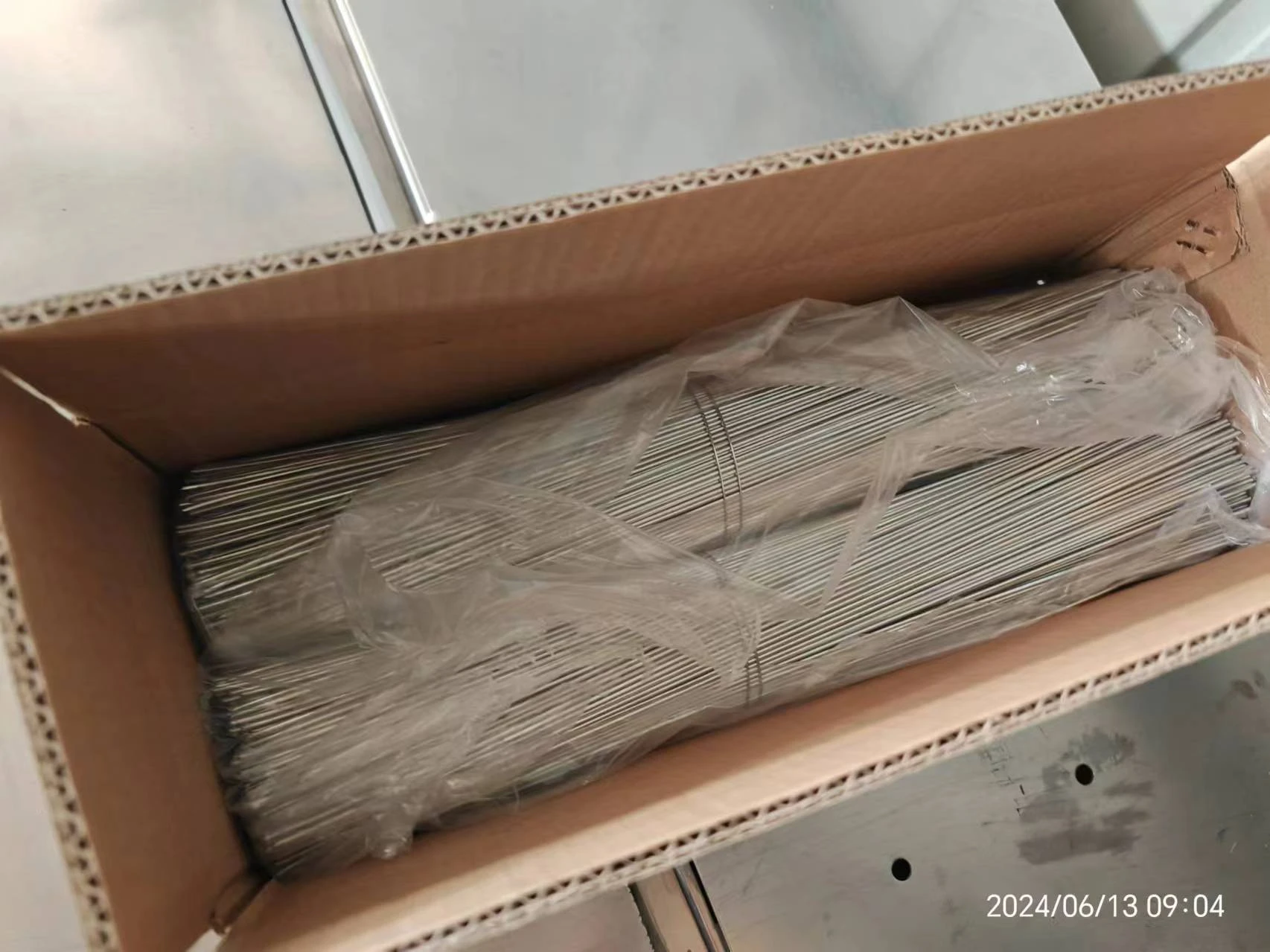
The performance of GI tie wire is critically dependent on its mechanical properties and environmental resistance. Tensile strength, typically ranging from 350-500 MPa (50,000-72,500 psi) dictates its load-bearing capacity. Ductility, measured by elongation at break, is crucial for allowing the wire to be twisted and secured without snapping. The zinc coating provides galvanic protection – the zinc corrodes preferentially to the steel, protecting it from rust. The rate of zinc corrosion depends on environmental factors such as humidity, salinity, and the presence of pollutants (sulfur dioxide, chlorides). Engineering considerations include determining the appropriate wire gauge (diameter) and length based on the applied load and anticipated environmental exposure. Force analysis involves calculating the tensile stress on the wire during application and ensuring it remains below the yield strength. Compliance requirements are often dictated by regional building codes and industry standards relating to construction and material safety. In earthquake-prone areas, GI tie wire used in structural bracing must meet specific ductility and load-bearing requirements to prevent brittle failure. Fatigue performance is also a consideration in applications involving cyclical loading, necessitating a higher safety factor and careful selection of wire material and coating quality. The effectiveness of the zinc coating is directly related to its thickness, measured in grams per square meter (g/m²), and its uniformity, assessed through coating weight variation analysis.
Technical Specifications
| Parameter | Unit | Typical Value | Testing Standard |
|---|---|---|---|
| Tensile Strength | MPa | 400-500 | ASTM A641/A641M |
| Zinc Coating Weight | g/m² | 60-275 | ASTM B693 |
| Wire Diameter | mm | 0.8-2.0 | JIS G3541 |
| Elongation at Break | % | 10-25 | ISO 6892-1 |
| Hydrogen Embrittlement | ppm | < 3 | ASTM A790 |
| Adhesion of Coating | Rating | 8-10 (on a scale of 0-10) | ASTM A780 |
Failure Mode & Maintenance
Common failure modes for GI tie wire include corrosion-induced failure, yielding under sustained load, and fracture due to fatigue. Corrosion occurs when the zinc coating is depleted, exposing the steel to the environment. Chloride exposure accelerates corrosion, leading to localized pitting and eventual section loss. Hydrogen embrittlement, a consequence of the pickling process or corrosion, can reduce ductility and promote brittle fracture. Yielding occurs when the applied stress exceeds the yield strength of the steel, resulting in permanent deformation. Fatigue cracking initiates from stress concentrations (e.g., bends, kinks) and propagates under cyclical loading. Maintenance is limited, as GI tie wire is often inaccessible after installation. However, regular visual inspection for signs of corrosion (rusting, white rust) is crucial, particularly in harsh environments. Preventive measures include selecting a wire gauge and zinc coating weight appropriate for the anticipated exposure conditions. Applying a supplementary coating (e.g., epoxy coating) can further enhance corrosion resistance, though this increases cost. Replacement of corroded or damaged tie wire is essential to prevent structural failure. Analysis of failed tie wire should include metallographic examination to determine the root cause of failure – corrosion, fatigue, or material defects. Galvanic corrosion with dissimilar metals should be avoided by utilizing compatible materials or implementing isolation techniques.
Industry FAQ
Q: What is the impact of zinc coating thickness on the long-term performance of GI tie wire?
A: Higher zinc coating thicknesses provide a greater sacrificial barrier against corrosion, significantly extending the service life, especially in aggressive environments. However, increasing zinc coating thickness also increases cost and may introduce potential for coating defects like cracking. The optimal coating thickness is a trade-off based on the application's exposure conditions and budget constraints. Standard coating classes (e.g., Class 1, Class 2, Class 3 based on ASTM A641) provide guidance on appropriate coating weights for different environments.
Q: How does the steel grade influence the mechanical properties of GI tie wire?
A: The steel grade dictates the fundamental tensile strength and ductility of the wire. Lower-carbon steels offer greater ductility, making them easier to bend and twist, but possess lower tensile strength. Higher-carbon steels provide higher tensile strength but are less ductile and more prone to cracking. SAE 1008 is commonly used for its balance of properties, but specific applications may warrant different steel grades to optimize performance.
Q: What are the implications of using GI tie wire in a marine environment?
A: Marine environments present a highly corrosive challenge due to the presence of salt spray. GI tie wire used in marine applications requires a significantly thicker zinc coating (Class 3 or higher per ASTM A641) and ideally should be supplemented with additional corrosion protection, such as epoxy coatings or the use of stainless steel alternatives. Frequent inspection is critical to identify and replace corroded wire before failure.
Q: What testing methods are used to ensure the quality of GI tie wire?
A: A range of testing methods are employed, including tensile testing (ASTM A641), zinc coating weight determination (ASTM B693), adhesion testing (ASTM A780), hydrogen embrittlement testing (ASTM A790), and metallographic examination to assess coating microstructure and steel quality. Eddy current testing can be used for non-destructive evaluation of coating thickness.
Q: Is there a risk of brittle fracture in cold weather, and how can it be mitigated?
A: Yes, cold temperatures can reduce the ductility of both the steel and the zinc coating, increasing the risk of brittle fracture, particularly under impact loading. Using wire with a higher elongation at break, avoiding sharp bends or kinks, and ensuring the wire is not subjected to sudden shock loads can mitigate this risk. Careful handling and storage are also important, avoiding excessive strain or damage to the wire.
Conclusion
GI tie wire remains a cost-effective and reliable fastening solution across a broad spectrum of applications, leveraging the inherent protective properties of zinc galvanization. Its performance, however, is intricately linked to material selection, manufacturing process control, and environmental considerations. Understanding the interplay between steel grade, zinc coating thickness, and anticipated exposure conditions is paramount for ensuring long-term structural integrity and mitigating failure risks.
Moving forward, advancements in coating technologies (e.g., zinc-nickel alloys) and stricter adherence to industry standards (ASTM, ISO) will further enhance the performance and longevity of GI tie wire. Continued research into corrosion mechanisms and the development of improved inspection techniques will be essential for optimizing its application in increasingly demanding environments and maintaining its position as a vital component in construction and industrial fastening systems.