



Introduction
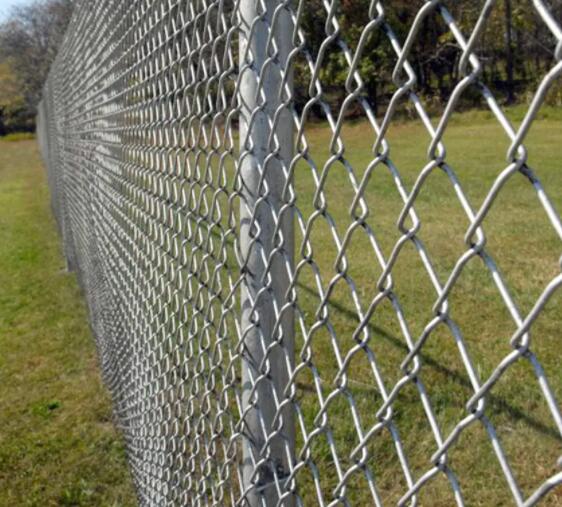
Galvanized (GI) wire, specifically 12 gauge, is a carbon steel wire coated with a layer of zinc. This coating provides corrosion resistance, making it a critical component across numerous industries, including construction, agriculture, telecommunications, and manufacturing. 12 gauge denotes a wire diameter of 0.211 inches (approximately 2.64 mm), balancing tensile strength with flexibility for diverse applications. In the industrial chain, GI wire serves as a foundational material for fencing, cabling, binding, reinforcement in concrete, and the production of nails and staples. Core performance characteristics include its formability, ductility, tensile strength, and, most importantly, its sustained resistance to rust and environmental degradation, directly impacting the longevity and reliability of finished products. The increasing demand for infrastructure projects and the need for durable, cost-effective materials drive the continued relevance of GI wire in modern engineering.
Material Science & Manufacturing
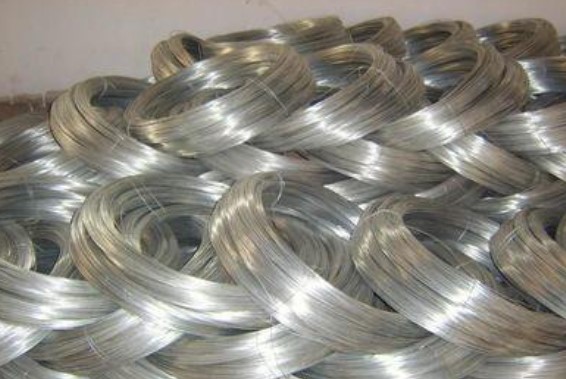
The base material for GI wire is typically low-carbon steel, selected for its inherent ductility and weldability. The steel’s chemical composition, adhering to standards like ASTM A641, dictates its mechanical properties. Key elements include carbon (0.05-0.25%), manganese (0.3-0.9%), phosphorus (max 0.04%), and sulfur (max 0.05%). Manufacturing begins with the production of steel wire rod through continuous casting. This rod is then hot-rolled to the desired 12-gauge diameter. The crucial step is galvanization, typically achieved through one of two methods: hot-dip galvanizing or electro-galvanizing. Hot-dip galvanizing involves immersing the wire in a molten zinc bath (approximately 450°C). This creates a metallurgically bonded zinc coating, resulting in a robust and long-lasting protective layer. The coating thickness is controlled by withdrawal speed and zinc bath composition. Electro-galvanizing, conversely, uses an electrolytic process, depositing zinc ions onto the wire surface. While offering more precise coating control, the resulting coating is generally thinner than hot-dip galvanizing. Post-galvanization, the wire undergoes cooling, cleaning, and spooling. Critical parameters during manufacturing include maintaining consistent zinc bath temperature, precise wire speed control, and stringent quality checks for coating uniformity and adherence.
Performance & Engineering
The mechanical performance of 12-gauge GI wire is governed by its tensile strength, yield strength, and elongation. Typical tensile strength values range from 80,000 to 90,000 PSI (550-620 MPa), while yield strength typically falls between 50,000 and 60,000 PSI (345-415 MPa). Elongation, indicating ductility, is generally around 10-15%. Engineering applications require consideration of load-bearing capacity, especially in fencing or structural support. Force analysis, using principles of statics and mechanics of materials, determines the wire’s ability to withstand tensile, compressive, and shear stresses. Environmental resistance is paramount. The zinc coating acts as a barrier, preventing corrosion through a process called galvanic protection. Zinc corrodes preferentially, sacrificing itself to protect the underlying steel. However, the rate of zinc corrosion is influenced by environmental factors like humidity, salinity, and atmospheric pollutants (sulfur dioxide). Compliance requirements depend on the specific application. For fencing used in agricultural settings, resistance to animal waste and fertilizer is crucial. For telecommunications cabling, resistance to UV radiation and temperature fluctuations is essential. The wire's ability to withstand bending and forming without cracking or compromising the zinc coating is also a vital engineering consideration. Galvanized wire must adhere to standards regarding coating thickness and uniformity to guarantee performance.
Technical Specifications
| Parameter | Unit | Typical Value (12 Gauge) | Testing Standard |
|---|---|---|---|
| Diameter | inches | 0.211 | ASTM A641 |
| Tensile Strength | PSI (MPa) | 80,000 - 90,000 (550-620) | ASTM A641 |
| Yield Strength | PSI (MPa) | 50,000 - 60,000 (345-415) | ASTM A641 |
| Elongation | % | 10-15 | ASTM A641 |
| Zinc Coating Weight | oz/ft² (g/m²) | 0.20 - 1.80 (60-540) | ASTM A641 |
| Zinc Coating Thickness | μm | 5 - 45 | ASTM A641 |
Failure Mode & Maintenance
Failure modes in 12-gauge GI wire typically originate from corrosion-related mechanisms. Uniform corrosion occurs when the zinc coating corrodes evenly over the wire surface, gradually reducing its cross-sectional area. This is accelerated in highly corrosive environments. Localized corrosion, such as pitting and crevice corrosion, is more detrimental as it leads to rapid material loss in specific areas, weakening the wire. Galvanic corrosion can occur when the GI wire is in contact with dissimilar metals in a conductive environment. Hydrogen embrittlement, although less common, can occur during the galvanizing process due to the absorption of hydrogen into the steel, leading to reduced ductility and potential cracking. Mechanical failures include fatigue cracking, caused by repeated stress cycles, and tensile overload, where the wire’s load-bearing capacity is exceeded. Maintenance strategies focus on preventative measures. Regularly inspecting the wire for signs of corrosion, such as white rust (zinc oxide) or red rust (iron oxide), is crucial. Applying protective coatings, such as paints or polymers, over the galvanized layer can provide additional corrosion protection. For applications involving harsh chemicals, selecting a more corrosion-resistant alloy or coating system may be necessary. In cases of localized damage, replacing the affected section of wire is the most effective repair method. Proper storage, minimizing exposure to moisture and corrosive substances, also extends the wire's service life.
Industry FAQ
Q: What is the primary difference between Class 1 and Class 3 galvanizing, and how does it impact the longevity of the 12-gauge GI wire?
A: Class 1 galvanizing refers to a relatively light coating weight, typically around 0.20 oz/ft², providing moderate corrosion protection suitable for less demanding environments. Class 3 galvanizing, with a coating weight of approximately 0.60 oz/ft², offers significantly enhanced corrosion resistance, extending the wire’s service life in harsher conditions. The increased zinc layer acts as a more substantial barrier and sacrificial anode, delaying the onset of steel corrosion. Choosing the appropriate class depends on the anticipated exposure environment and desired lifespan.
Q: How does the presence of sulfur dioxide in the atmosphere affect the corrosion rate of galvanized wire?
A: Sulfur dioxide (SO₂) reacts with moisture in the atmosphere to form sulfuric acid, a highly corrosive substance. This accelerates the corrosion of the zinc coating, particularly in industrial areas with high SO₂ concentrations. The sulfuric acid attacks the zinc layer, leading to faster degradation and reduced protection for the underlying steel. Higher coating weights (Class 3) are recommended in such environments, or alternative corrosion protection measures may be needed.
Q: Can 12-gauge GI wire be used for direct burial applications? What considerations are necessary?
A: While technically possible, direct burial of 12-gauge GI wire is not generally recommended for long-term reliability. Soil conditions, including moisture content, pH, and the presence of chlorides or sulfates, significantly accelerate corrosion. If direct burial is unavoidable, a heavier galvanizing class (Class 3 or higher), a supplemental coating (e.g., epoxy), or a cathodic protection system should be employed to mitigate corrosion risk. Soil resistivity measurements are crucial for assessing corrosion potential.
Q: What is the impact of cold working (bending, forming) on the corrosion resistance of galvanized wire?
A: Cold working can introduce stress into the zinc coating, potentially leading to micro-cracking and localized corrosion. While the zinc coating is ductile, excessive deformation can compromise its integrity. Minimizing the amount of cold working and avoiding sharp bends are crucial. Applying a post-treatment, such as a sealant or protective coating, can help to seal any micro-cracks and restore corrosion resistance.
Q: How does the cost of 12-gauge GI wire compare to stainless steel wire of a similar gauge, and what are the trade-offs?
A: 12-gauge GI wire is significantly less expensive than stainless steel wire of comparable gauge. However, stainless steel offers superior corrosion resistance, particularly in aggressive environments. GI wire provides adequate protection for many applications at a lower cost but may require more frequent replacement or maintenance in corrosive conditions. Stainless steel is the preferred choice when long-term durability and minimal maintenance are paramount, despite the higher initial investment.
Conclusion
12-gauge galvanized wire remains a fundamental material in various industries due to its balance of strength, flexibility, and cost-effective corrosion protection. The manufacturing process, particularly the galvanization step, critically influences its performance characteristics. Understanding the material science – the interaction between the steel substrate and zinc coating – is paramount for selecting the appropriate wire class and ensuring long-term durability.
Proper consideration of environmental factors, potential failure modes, and adherence to relevant industry standards (ASTM, ISO) are essential for successful application. While offering a robust solution for numerous applications, continuous monitoring and preventative maintenance are key to maximizing the service life of 12-gauge GI wire, and a careful evaluation of alternatives like stainless steel should be undertaken when long-term corrosion resistance is paramount.