



Introduction
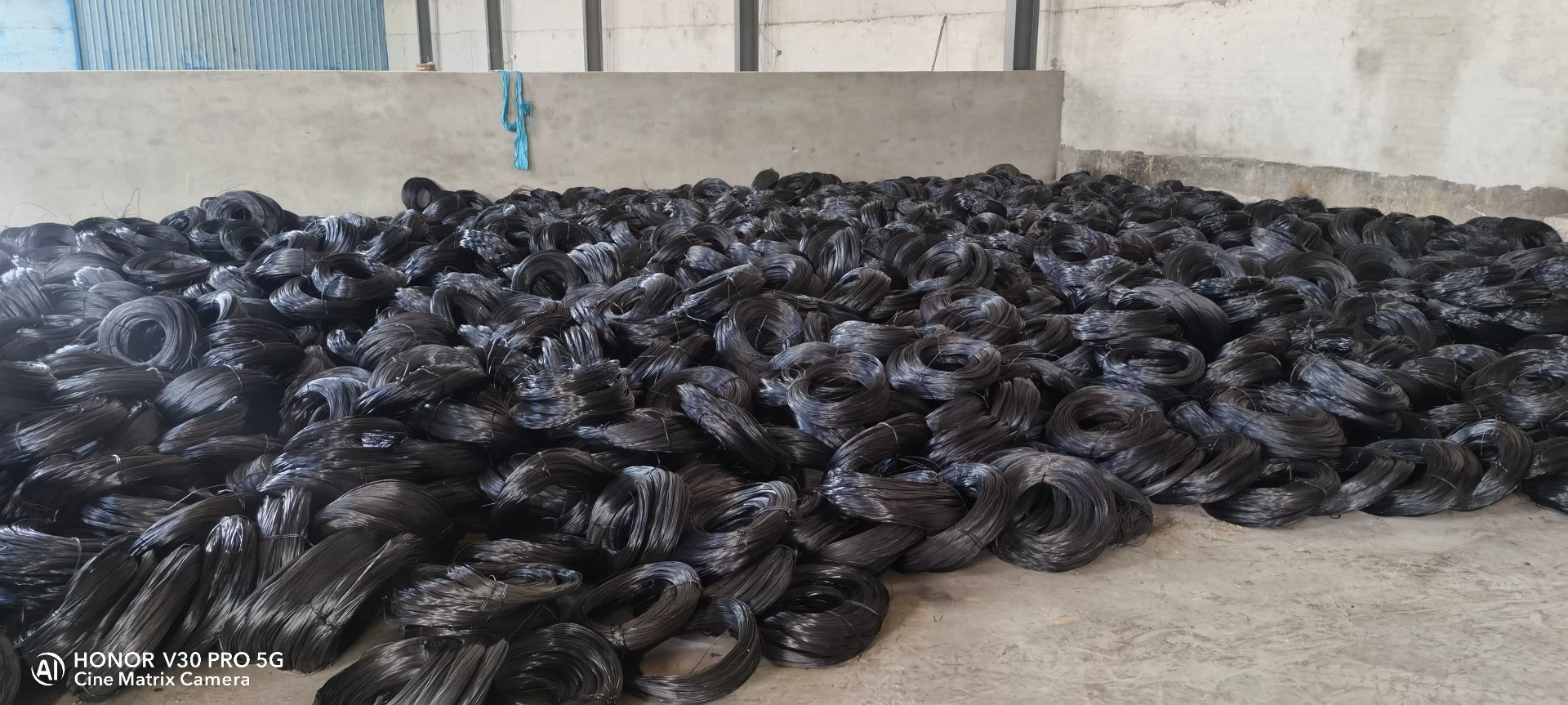
Galvanized (GI) wire, particularly 12-gauge, is a crucial component in numerous industries, serving as a foundational material in construction, agriculture, telecommunications, and manufacturing. Its primary function is to provide a strong, corrosion-resistant binding, support, and fencing solution. The ‘12 gauge’ designation refers to the American Wire Gauge (AWG) system, dictating the wire diameter – a smaller gauge number indicates a thicker wire. GI wire’s cost-effectiveness, coupled with its protective zinc coating, makes it a widely adopted alternative to other metallic wires. This guide provides an in-depth technical analysis of GI wire, specifically focusing on 12-gauge, covering its material science, manufacturing processes, performance characteristics, potential failure modes, maintenance protocols, and relevant industry standards. Understanding these facets is critical for procurement managers, engineers, and quality control personnel to ensure optimal material selection and long-term structural integrity of their projects.
Material Science & Manufacturing
GI wire derives its properties from the underlying steel substrate and the galvanizing process. The typical steel used is low-carbon steel (0.05% - 0.25% carbon) providing sufficient ductility for wire drawing. Key physical properties of the steel include tensile strength (370-550 MPa), yield strength (250-400 MPa), and elongation (15-25%). The galvanizing process involves applying a protective zinc coating to the steel wire. This is most commonly achieved through hot-dip galvanizing, where the steel wire is submerged in a bath of molten zinc. The chemical reaction between the iron in the steel and the zinc creates a series of zinc-iron alloy layers, providing exceptional corrosion protection. The thickness of the zinc coating is critical, typically ranging from Z275 (275 g/m2) to Z450 (450 g/m2) according to EN 10244-2 standards. Wire drawing, a cold-working process, reduces the diameter of the steel rod to the desired 12-gauge (approximately 2.053 mm). Critical parameters during wire drawing include die angle, drawing speed, and lubrication. Precise control of these parameters prevents fracturing and ensures dimensional accuracy. Post-galvanizing, the wire undergoes cooling, straightening, and often, passivation treatments to further enhance corrosion resistance and surface finish.
Performance & Engineering
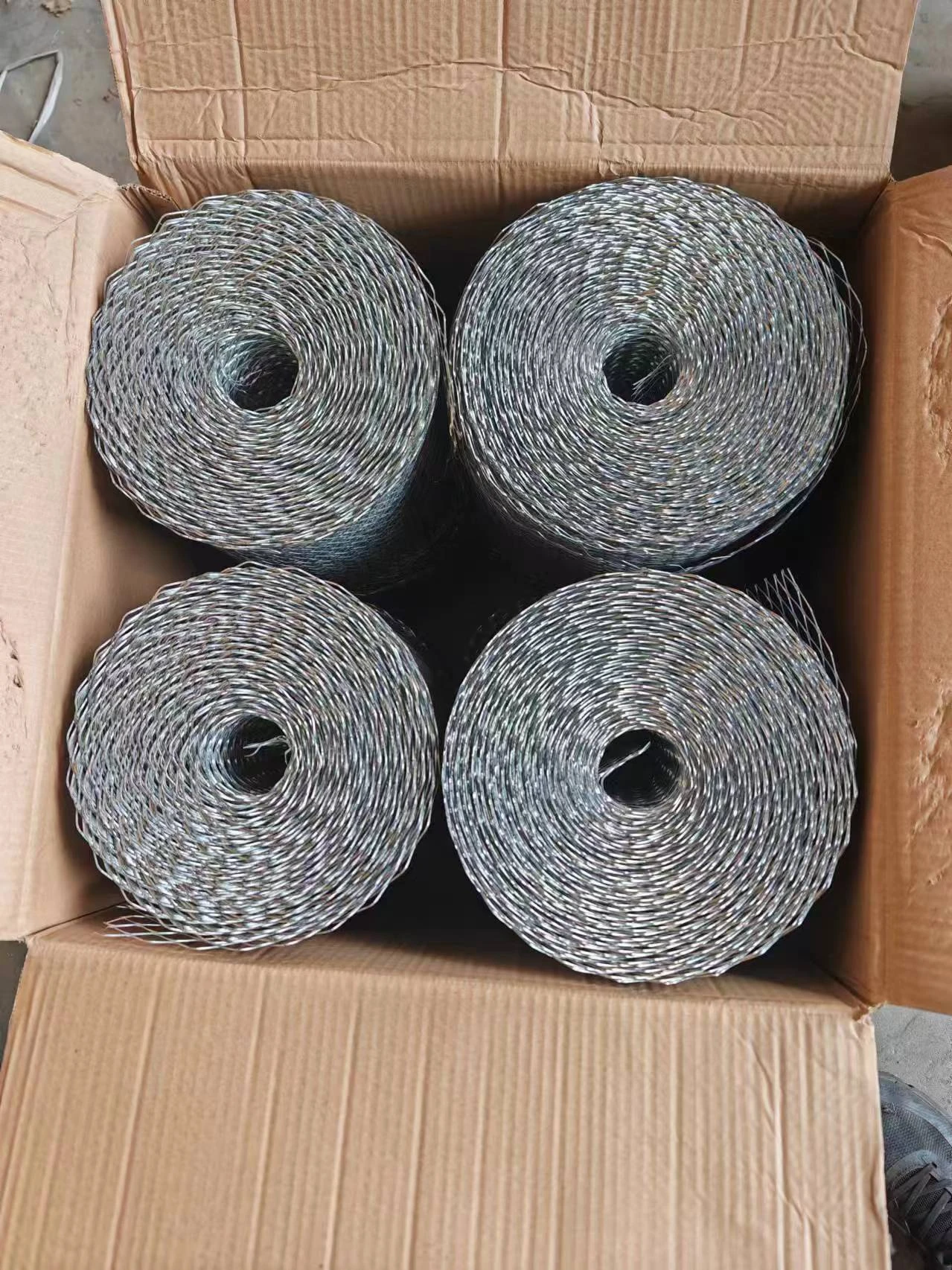
The performance of 12-gauge GI wire is dictated by several factors including tensile strength, yield strength, elongation, corrosion resistance, and load-bearing capacity. From an engineering perspective, force analysis is paramount. The wire’s tensile strength defines its resistance to breaking under tension, a crucial consideration for applications like fencing and suspension cables. Yield strength determines the point at which the wire begins to deform permanently. Environmental resistance is arguably the most significant performance characteristic. The zinc coating provides sacrificial protection – the zinc corrodes preferentially, protecting the underlying steel. The rate of zinc corrosion is influenced by environmental factors such as humidity, salinity, and exposure to industrial pollutants. Compliance requirements vary depending on the application. For construction, adherence to building codes specifying wire gauge and coating thickness is essential. For agricultural applications, standards relating to animal welfare and containment are relevant. In safety-critical applications like guy wires for telecommunication towers, rigorous testing and certification are mandatory. The expected lifespan of GI wire in a specific environment needs to be calculated, considering the coating thickness, corrosion rate, and potential for mechanical damage. This calculation often involves modelling the zinc consumption rate under anticipated environmental conditions.
Technical Specifications
| Parameter | Value (Typical 12 Gauge GI Wire) | Testing Standard | Units |
|---|---|---|---|
| Diameter | 2.053 | ASTM A641 | mm |
| Tensile Strength | 400-550 | ASTM A641 | MPa |
| Yield Strength | 270-400 | ASTM A641 | MPa |
| Elongation | 15-25 | ASTM A641 | % |
| Zinc Coating Weight | 275-450 | EN 10244-2 | g/m2 |
| Corrosion Resistance (Salt Spray Test) | >720 | ASTM B117 | Hours |
Failure Mode & Maintenance
GI wire can fail through several mechanisms. A common failure mode is uniform corrosion, where the zinc coating corrodes evenly over time. This is accelerated by exposure to acidic or saline environments. Localized corrosion, such as pitting corrosion, occurs due to imperfections in the zinc coating or the presence of chlorides. Mechanical damage, including bending, abrasion, and impact, can compromise the coating and expose the underlying steel, leading to accelerated corrosion. Fatigue cracking can occur in applications involving cyclic loading, particularly if the wire is subjected to bending stresses. Hydrogen embrittlement, though less common, can occur during the galvanizing process if the steel contains high levels of hydrogen. Maintenance strategies focus on inspection and preventative measures. Regular visual inspections can identify areas of coating damage or corrosion. Damaged areas should be repaired using zinc-rich paints or coatings. Avoiding sharp bends and minimizing mechanical stress during installation and use can prolong the wire’s lifespan. Periodic cleaning to remove dirt and debris can also help to prevent corrosion. In highly corrosive environments, consider applying an additional protective coating, such as epoxy or polyurethane, over the galvanized surface.
Industry FAQ
Q: What is the difference between Class 1, Class 2, and Class 3 galvanizing, and how does it relate to the lifespan of the GI wire?
A: The classification refers to the zinc coating thickness, as defined by ASTM A123. Class 1 (Z25) has the thinnest coating, providing shorter corrosion protection. Class 2 (Z40) offers moderate protection, suitable for less demanding environments. Class 3 (Z60) has the thickest coating, providing the longest lifespan, ideal for severe corrosive conditions. Higher classes equate to greater upfront cost but reduced long-term maintenance and replacement costs.
Q: Can GI wire be used in direct contact with concrete or treated lumber?
A: While GI wire offers corrosion resistance, direct contact with concrete or treated lumber can accelerate corrosion due to the alkaline nature of concrete and the chemical preservatives in treated lumber. A barrier, such as polyethylene sheeting or a non-conductive coating, should be used to prevent direct contact.
Q: How does the tensile strength of 12-gauge GI wire compare to that of stainless steel wire of similar diameter?
A: Stainless steel wire generally possesses higher tensile strength and superior corrosion resistance compared to GI wire. However, stainless steel is significantly more expensive. 12-gauge GI wire provides a cost-effective solution for applications where extremely high strength or corrosion resistance isn't paramount.
Q: What is the impact of bending radius on the integrity of the zinc coating?
A: Excessive bending with a small radius can cause cracking or flaking of the zinc coating, exposing the underlying steel to corrosion. The minimum recommended bending radius for 12-gauge GI wire is typically 6-8 times the wire diameter.
Q: What are the environmental concerns associated with galvanizing, and are there more sustainable alternatives?
A: Galvanizing processes can generate wastewater containing zinc and other heavy metals. Modern galvanizing plants employ advanced wastewater treatment systems to minimize environmental impact. Alternatives, such as aluminum coatings or zinc-nickel alloys, offer comparable corrosion protection but may have their own environmental considerations related to material sourcing and processing.
Conclusion
12-gauge galvanized wire represents a versatile and cost-effective solution for a broad spectrum of applications requiring tensile strength and corrosion resistance. Its performance is intrinsically linked to the underlying steel properties, the quality of the galvanizing process, and the operating environment. Understanding the potential failure modes, adhering to appropriate maintenance practices, and carefully selecting the appropriate galvanizing class based on environmental conditions are crucial for maximizing its service life and ensuring structural integrity.
The continued development of advanced coatings and galvanizing techniques, alongside a growing emphasis on sustainable manufacturing practices, will further enhance the performance and environmental compatibility of GI wire in the future. Procurement professionals and engineers must remain informed about these advancements to optimize material selection and contribute to long-term project success.