



Introduction
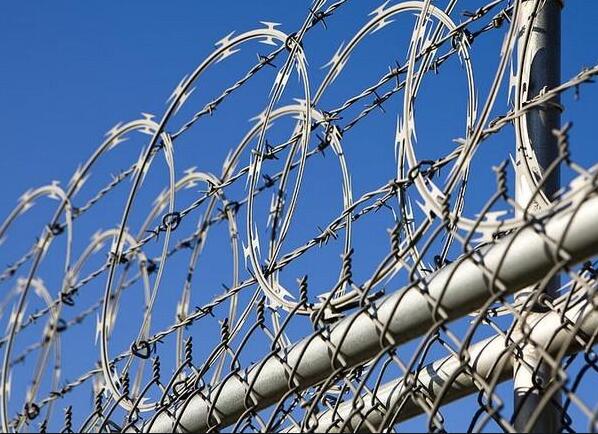
Galvanized (GI) wire, specifically 14 gauge, represents a critical component in a broad spectrum of industrial, agricultural, and construction applications. The “14 gauge” designation refers to the wire’s diameter, adhering to the American Wire Gauge (AWG) standard. Its primary function is to provide tensile strength and corrosion resistance, making it a cost-effective alternative to materials like stainless steel in less demanding environments. This guide will provide a comprehensive technical overview of GI wire, 14 gauge, covering its material science, manufacturing processes, performance characteristics, potential failure modes, and relevant industry standards. Pricing is highly dependent on zinc coating levels, tensile strength, and order volume; this document focuses on the technical aspects influencing value rather than specific price fluctuations. The core pain point for procurement managers is balancing cost with guaranteed longevity and performance under specified operational conditions, necessitating a thorough understanding of the parameters impacting GI wire durability.
Material Science & Manufacturing
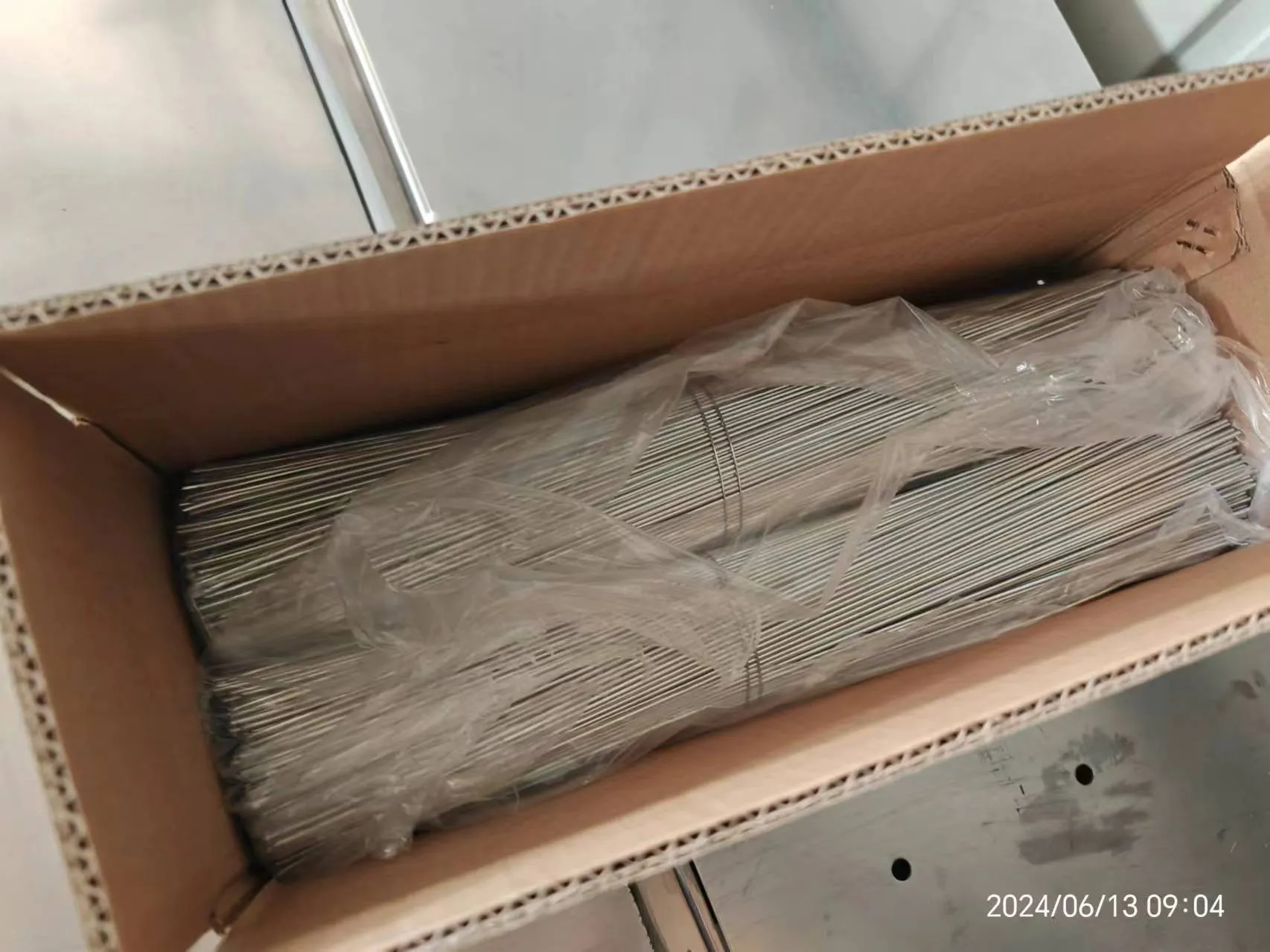
GI wire, 14 gauge, is typically manufactured from low-carbon steel wire, with a carbon content of 0.05% to 0.15% by weight. The steel's composition dictates its ductility and weldability, important for subsequent processing. The galvanization process, applying a protective zinc coating, is the key to the wire's corrosion resistance. This is most commonly achieved through hot-dip galvanization, where the steel wire is passed through a bath of molten zinc. The zinc metallurgically bonds with the steel, creating a layered structure. The thickness of the zinc coating, measured in grams per square meter (g/m²), directly influences corrosion protection. Common coating levels include G30 (0.30 oz/ft²), G60 (0.60 oz/ft²), and G90 (0.90 oz/ft²). Manufacturing also involves wire drawing, reducing the steel’s diameter to the 14-gauge specification (approximately 1.628 mm). Parameter control during wire drawing is crucial; excessive reduction can introduce internal stresses, potentially leading to premature failure. After galvanization, a passivation treatment, often using chromate conversion coatings, can further enhance corrosion resistance, though regulatory concerns are shifting preferences towards alternative, chromate-free passivation methods. The surface finish impacts adhesion of any subsequent coatings, such as PVC or polyethylene.
Performance & Engineering
The performance of 14-gauge GI wire is primarily characterized by its tensile strength, yield strength, and elongation. Typical tensile strength values range from 490 to 550 MPa, while yield strength falls between 240 to 300 MPa. Elongation, a measure of ductility, typically ranges from 10% to 15%. Environmental resistance is governed by the zinc coating. The zinc acts as a sacrificial anode, corroding preferentially to the steel. This cathodic protection mechanism is most effective in humid or corrosive environments. However, the rate of zinc corrosion is influenced by factors such as pH, chloride concentration, and temperature. Engineering considerations include the wire’s load-bearing capacity and its ability to withstand deformation. For applications involving bending or forming, ductility is paramount. Compliance requirements, such as those outlined in ASTM A653/A653M, dictate the minimum acceptable levels of tensile strength, zinc coating thickness, and elongation. Fatigue analysis is critical for applications involving cyclical loading, as repeated stress can lead to crack initiation and propagation. The presence of sharp bends or surface defects can accelerate fatigue failure.
Technical Specifications
| Parameter | Unit | Typical Value (14 Gauge GI Wire) | Testing Standard |
|---|---|---|---|
| Diameter | mm | 1.628 | ASTM A653/A653M |
| Tensile Strength | MPa | 490-550 | ASTM A653/A653M |
| Yield Strength | MPa | 240-300 | ASTM A653/A653M |
| Elongation | % | 10-15 | ASTM A653/A653M |
| Zinc Coating Weight (G60) | g/m² | 600 | ASTM A653/A653M |
| Zinc Coating Weight (G90) | g/m² | 900 | ASTM A653/A653M |
Failure Mode & Maintenance
Common failure modes for 14-gauge GI wire include uniform corrosion, localized corrosion (pitting, crevice corrosion), and mechanical failure (fatigue cracking, tensile rupture). Uniform corrosion occurs when the entire wire surface corrodes at a relatively constant rate. Pitting corrosion, a more aggressive form, creates small, localized holes due to imperfections in the zinc coating or the presence of chloride ions. Crevice corrosion occurs in shielded areas where access to oxygen is limited. Mechanical failure can result from exceeding the wire’s tensile strength or from fatigue due to cyclical loading. Hydrogen embrittlement, a less common but serious issue, can occur when atomic hydrogen diffuses into the steel, reducing its ductility and increasing its susceptibility to cracking. Maintenance strategies include regular visual inspections to identify areas of corrosion or damage. Applying a protective coating, such as paint or epoxy, can extend the wire’s lifespan. For applications in highly corrosive environments, periodic re-galvanization or replacement may be necessary. The integrity of any associated fasteners should also be checked to ensure proper load distribution. Avoiding sharp bends or abrasive contact during installation and operation minimizes the risk of mechanical failure.
Industry FAQ
Q: What is the difference between G60 and G90 galvanization, and which should I specify for coastal applications?
A: G60 and G90 refer to the weight of the zinc coating per square foot of steel surface area. G90 provides a thicker coating (900 g/m²) offering significantly improved corrosion resistance compared to G60 (600 g/m²). For coastal applications, where exposure to salt spray and humidity is high, G90 is strongly recommended. The increased zinc layer provides extended sacrificial protection, delaying the onset of steel corrosion. While G60 may be acceptable for inland, less corrosive environments, the long-term cost savings of G90 often outweigh the initial price difference in coastal zones.
Q: How does the tensile strength of the underlying steel wire affect the overall performance of the galvanized wire?
A: The tensile strength of the steel wire is a fundamental performance characteristic. It dictates the load-bearing capacity of the wire and its resistance to deformation. Higher tensile strength steel allows for a smaller diameter wire to achieve the same load capacity, potentially reducing material costs. However, higher strength steels can be less ductile, making them more susceptible to brittle fracture. The steel’s composition and processing history significantly influence its tensile strength and ductility. The galvanization process itself does not significantly alter the steel’s inherent tensile properties.
Q: What are the alternatives to chromate passivation, given increasing environmental regulations?
A: Chromate conversion coatings, historically used to enhance corrosion resistance, are facing increasing scrutiny due to their environmental impact. Alternatives include phosphate coatings, zinc-nickel alloy coatings, and organic coatings. Phosphate coatings provide a moderate level of corrosion protection and serve as a good base for paint. Zinc-nickel alloys offer excellent corrosion resistance and are a viable, albeit more expensive, alternative. Organic coatings, such as epoxy or polyurethane, can provide a robust barrier against corrosion but require careful surface preparation and application.
Q: How does wire drawing impact the structural integrity of 14 gauge GI wire?
A: Wire drawing, while necessary to achieve the 14-gauge diameter, introduces residual stresses within the steel. Excessive or improper drawing can lead to work hardening, reducing ductility and increasing the risk of cracking. The die angle, drawing speed, and lubrication all play critical roles in minimizing these stresses. Annealing, a heat treatment process, can be used to relieve residual stresses and restore ductility. Proper quality control during the wire drawing process is essential to ensure structural integrity.
Q: What is the expected lifespan of 14-gauge GI wire in a typical agricultural fencing application?
A: The lifespan of 14-gauge GI wire in agricultural fencing varies significantly depending on environmental conditions and zinc coating thickness. With a G60 coating in a moderate environment, a lifespan of 10-15 years is typical. In coastal or industrial environments with high levels of corrosive agents, the lifespan may be reduced to 5-10 years. Utilizing a G90 coating can extend the lifespan to 20+ years, even in challenging environments. Regular inspection and maintenance, such as removing vegetation that traps moisture, can also prolong the wire’s service life.
Conclusion
The selection of 14-gauge galvanized wire hinges on a thorough understanding of its material properties, manufacturing processes, and anticipated operating environment. The zinc coating provides crucial corrosion protection, with G90 offering significantly enhanced longevity compared to G60, especially in harsh conditions. Careful consideration must be given to tensile strength requirements, as this impacts load-bearing capacity and potential for mechanical failure.
Proactive maintenance, including regular inspection and the application of protective coatings, can substantially extend the wire’s service life. As environmental regulations evolve, exploring alternatives to chromate passivation is essential for sustainable practices. Ultimately, a technically informed procurement decision, balancing cost with performance and longevity, is critical for maximizing the return on investment in this essential construction and industrial material.