



Introduction
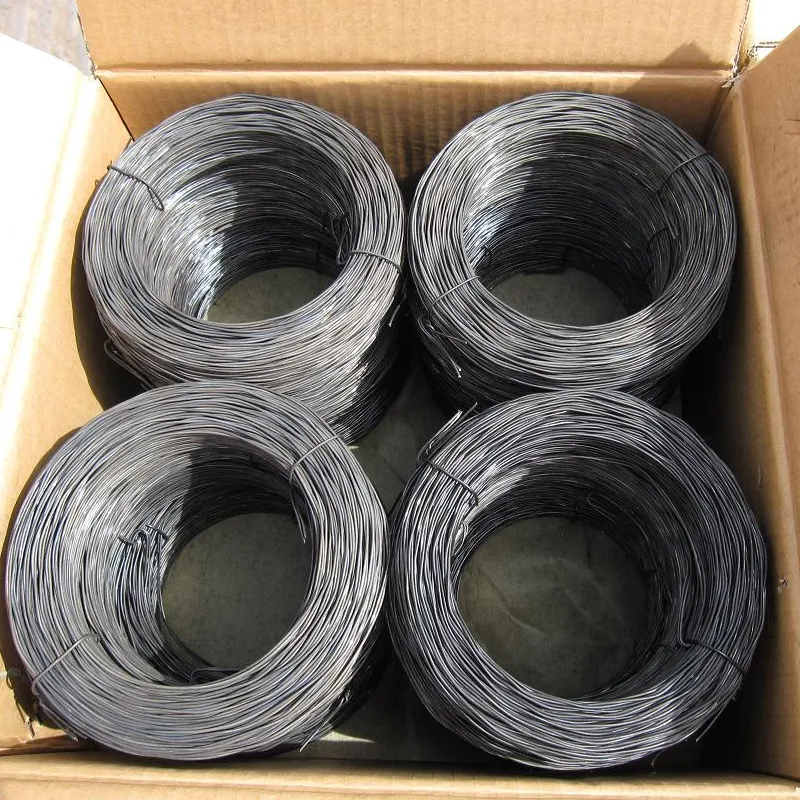
Galvanized (GI) wire, specifically 16 gauge, represents a critical component in numerous industrial and construction applications. This wire consists of carbon steel that has been hot-dip galvanized – a process of coating the steel with zinc to provide corrosion resistance. The ‘16 gauge’ designation refers to the wire diameter, defined by the American Wire Gauge (AWG) standard, with smaller gauge numbers indicating thicker wires. GI wire’s affordability, ease of installation, and substantial protective qualities make it a staple in fencing, cable armoring, grounding systems, binding, and diverse fabrication processes. The price of 16 gauge GI wire is heavily influenced by zinc prices, steel feedstock costs, manufacturing volume, and regional demand. Understanding its material science, manufacturing nuances, performance characteristics, and potential failure modes is paramount for ensuring optimal lifespan and application success. This guide provides an in-depth technical analysis of GI wire 16 gauge, addressing the core concerns of procurement managers, engineers, and maintenance personnel within B2B industrial contexts.
Material Science & Manufacturing
The fundamental material for GI wire is low-carbon steel, typically containing 0.05% to 0.25% carbon. The steel’s composition affects its ductility, weldability, and formability. Common steel grades used include SAE 1008 and SAE 1010. The galvanizing process utilizes zinc with a purity level generally exceeding 99.95%. The zinc acts as a sacrificial anode, protecting the steel substrate from corrosion. Manufacturing commences with the production of steel wire through processes like drawing and annealing. The wire is cleaned via acid pickling (typically hydrochloric or sulfuric acid) to remove mill scale and surface contaminants. A flux solution, commonly ammonium chloride or zinc ammonium chloride, is then applied to prepare the steel surface for zinc adhesion. Hot-dip galvanizing involves immersing the cleaned wire into a molten zinc bath maintained at approximately 450-460°C (842-860°F). The reaction between iron and zinc forms a series of metallurgical layers: a Gamma (Γ) layer, a Delta (Δ) layer, and a Zeta (ζ) layer, each contributing to corrosion protection. Critical parameters during galvanizing include bath temperature, immersion time, cooling rate, and zinc bath composition. Post-galvanizing, the wire may undergo passivation treatments to further enhance corrosion resistance, or mechanical straightening and spooling for ease of handling and application. Variations in manufacturing, such as the application of different zinc coatings (e.g., Class 3, Class 6 as per ASTM A123) significantly impact cost and performance.
Performance & Engineering
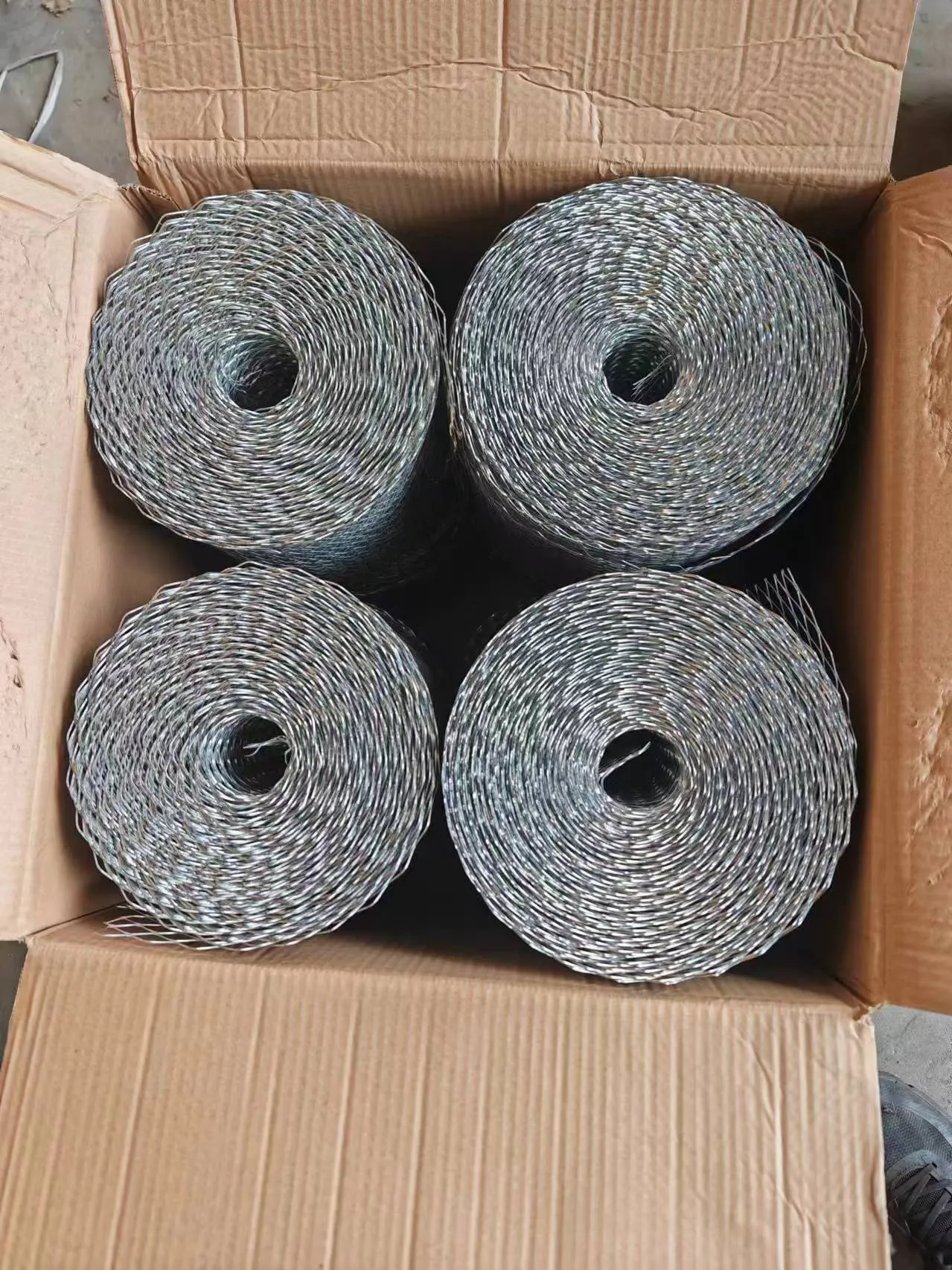
The performance of 16 gauge GI wire is primarily defined by its tensile strength, elongation, zinc coating thickness, and corrosion resistance. Tensile strength, typically ranging from 80,000 to 100,000 PSI (pounds per square inch), determines the wire’s ability to withstand pulling forces without breaking. Elongation, usually around 10-15%, indicates its ductility and resistance to fracture. The zinc coating thickness, measured in grams per square meter (g/m²), is a critical factor in corrosion protection. Engineering calculations for applications like fencing require consideration of wind load, weight of supported materials, and wire sag. Corrosion resistance is assessed through salt spray testing (ASTM B117) which measures the time it takes for corrosion to initiate. Environmental resistance is also affected by the presence of pollutants (sulfur dioxide, chlorides) which can accelerate zinc degradation. Compliance requirements vary based on application. For example, electrical grounding wires must meet standards outlined in the National Electrical Code (NEC) in the US. Wire used in agriculture may need to comply with standards regarding heavy metal content. Furthermore, the wire's performance is directly tied to the quality of any connections or fasteners used; galvanic corrosion can occur between dissimilar metals. Understanding the electrochemical series of metals is crucial in preventing premature failure.
Technical Specifications
| Parameter | Unit | Typical Value (16 Gauge GI Wire) | Test Standard |
|---|---|---|---|
| Wire Gauge | AWG | 16 | ASTM A641 |
| Diameter | mm | 1.291 | ASTM A641 |
| Tensile Strength | PSI | 80,000 - 100,000 | ASTM A641 |
| Elongation | % | 10-15 | ASTM A641 |
| Zinc Coating Weight | g/m² | 260-280 (Class 3) | ASTM A123 |
| Zinc Coating Weight | g/m² | 550-610 (Class 6) | ASTM A123 |
| Minimum Galvanizing Thickness | µm | 61 (Class 3) | ASTM A123 |
Failure Mode & Maintenance
Common failure modes for 16 gauge GI wire include corrosion (rusting), mechanical damage (abrasion, cutting), and fatigue cracking. Corrosion arises from depletion of the zinc coating, allowing the steel substrate to oxidize. Chloride exposure significantly accelerates corrosion, particularly in marine environments. Mechanical damage can compromise the zinc coating, exposing the steel to corrosion. Fatigue cracking occurs under cyclical loading, particularly at points of bending or stress concentration. Delamination of the zinc coating can result from poor surface preparation during galvanizing or the presence of contaminants. Maintenance practices include regular inspection for signs of corrosion or damage, particularly at connection points. Applying a protective coating (e.g., zinc-rich paint) over the galvanized surface can extend its lifespan. In areas with severe corrosion risk, sacrificial anodes (e.g., magnesium) can be used to provide additional cathodic protection. Avoid using dissimilar metals in direct contact with GI wire without appropriate isolation measures. Repairing damaged coatings is possible with zinc-based repair compounds, but complete re-galvanization may be necessary for extensive corrosion. Understanding the root cause of failure is essential for implementing effective preventative measures. Oxidation of the zinc layer is a natural process and forms a protective patina, but accelerated oxidation due to environmental factors is a concern.
Industry FAQ
Q: What is the impact of zinc alloy composition on the lifespan of GI wire?
A: The presence of alloying elements like aluminum and magnesium in the zinc coating can significantly enhance corrosion resistance. Aluminum increases the formation of protective basic zinc carbonates, providing improved protection in marine environments. Magnesium improves ductility and coating adherence. However, alloy composition must be carefully controlled as excessive levels can lead to coating brittleness.
Q: How does the wire drawing process affect the performance of GI wire?
A: The wire drawing process introduces work hardening, increasing tensile strength but reducing ductility. Proper annealing after drawing is crucial to restore ductility and prevent cracking during subsequent forming operations. Excessive cold work can also create internal stresses that contribute to fatigue failure.
Q: What are the key differences between Class 3 and Class 6 galvanizing, and when would you specify one over the other?
A: Class 3 galvanizing provides a lighter zinc coating (approximately 260-280 g/m²), suitable for less corrosive environments. Class 6 galvanizing offers a heavier coating (approximately 550-610 g/m²), providing superior corrosion protection for harsh environments like marine applications or chemical plants. The choice depends on the expected service life and environmental exposure.
Q: Is there a cost-benefit analysis to consider when selecting a heavier zinc coating thickness?
A: Yes. While a heavier coating increases initial material cost, it extends service life, reducing maintenance and replacement frequency. A lifecycle cost analysis should be conducted, factoring in corrosion rates, labor costs, and downtime costs to determine the most cost-effective solution. In some cases, the long-term savings from reduced maintenance outweigh the higher initial cost.
Q: How can I ensure proper grounding connections when using GI wire?
A: Proper grounding connections require clean, oxide-free surfaces. Use approved grounding clamps and connectors designed for galvanized wire. Avoid using dissimilar metals in direct contact without insulating them. Ensure connections are tightened securely to minimize contact resistance. Regularly inspect connections for corrosion or looseness.
Conclusion
GI wire 16 gauge remains a vital material in a multitude of industrial sectors due to its balance of cost-effectiveness, strength, and corrosion resistance. Its manufacturing process, while seemingly straightforward, relies on precise control of numerous parameters to ensure consistent quality and performance. A thorough understanding of the material science, potential failure modes, and applicable industry standards is crucial for optimizing its application and maximizing its service life.
Future advancements in galvanizing technology, such as the development of more environmentally friendly zinc alloys and improved coating techniques, will further enhance the durability and sustainability of GI wire. Continuous monitoring of corrosion rates, coupled with proactive maintenance strategies, will remain essential for ensuring the long-term reliability of structures and systems utilizing this foundational material.