



Introduction
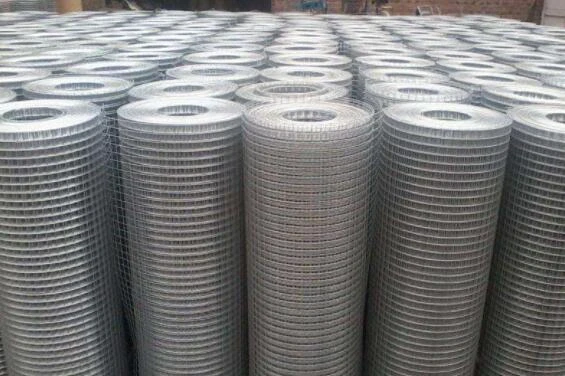
Galvanized (GI) wire, specifically 2.5 mm diameter, is a carbon steel wire coated with a layer of zinc through a process of hot-dip galvanization. This coating provides protection against rust and corrosion, significantly extending the wire's service life in diverse environments. Within the industrial chain, GI wire 2.5mm functions as a foundational material in applications ranging from fencing and cable armor to binding and reinforcement. Its core performance characteristics revolve around tensile strength, ductility, corrosion resistance, and formability. This guide provides a comprehensive technical overview of GI wire 2.5mm, encompassing its material science, manufacturing processes, performance parameters, failure modes, and relevant industry standards. A key pain point for industries utilizing GI wire is inconsistent zinc coating thickness leading to premature failure, and the balance between cost optimization versus the required level of corrosion protection.
Material Science & Manufacturing
The primary raw material for GI wire 2.5mm is low-carbon steel, typically containing 0.05% to 0.25% carbon. The steel’s mechanical properties – tensile strength, yield strength, and elongation – are critical and are controlled through careful selection of steel grade and heat treatment processes like annealing and tempering. Zinc, with a melting point of 419.5°C, is the key coating material. Its effectiveness relies on its sacrificial anodic protection of the steel substrate.
Manufacturing involves several stages: steel rod drawing to achieve the 2.5mm diameter, cleaning to remove oils, rust, and scale (often using acid pickling), fluxing to promote zinc adhesion, and finally, hot-dip galvanization. In hot-dip galvanization, the steel wire is immersed in a bath of molten zinc. The reaction between iron and zinc forms a series of zinc-iron alloy layers, followed by an outer layer of pure zinc. Critical parameters include bath temperature (maintained between 440°C and 460°C), immersion time (controlled to achieve the desired coating thickness), and cooling rate (influences the metallurgical structure of the coating). The cooling process is critical. Rapid cooling can lead to brittleness, while slow cooling promotes a more ductile coating. Post-galvanization, wires are typically treated with passivation solutions, like chromates or non-chromate alternatives, to enhance corrosion resistance and provide a stable surface.
Performance & Engineering
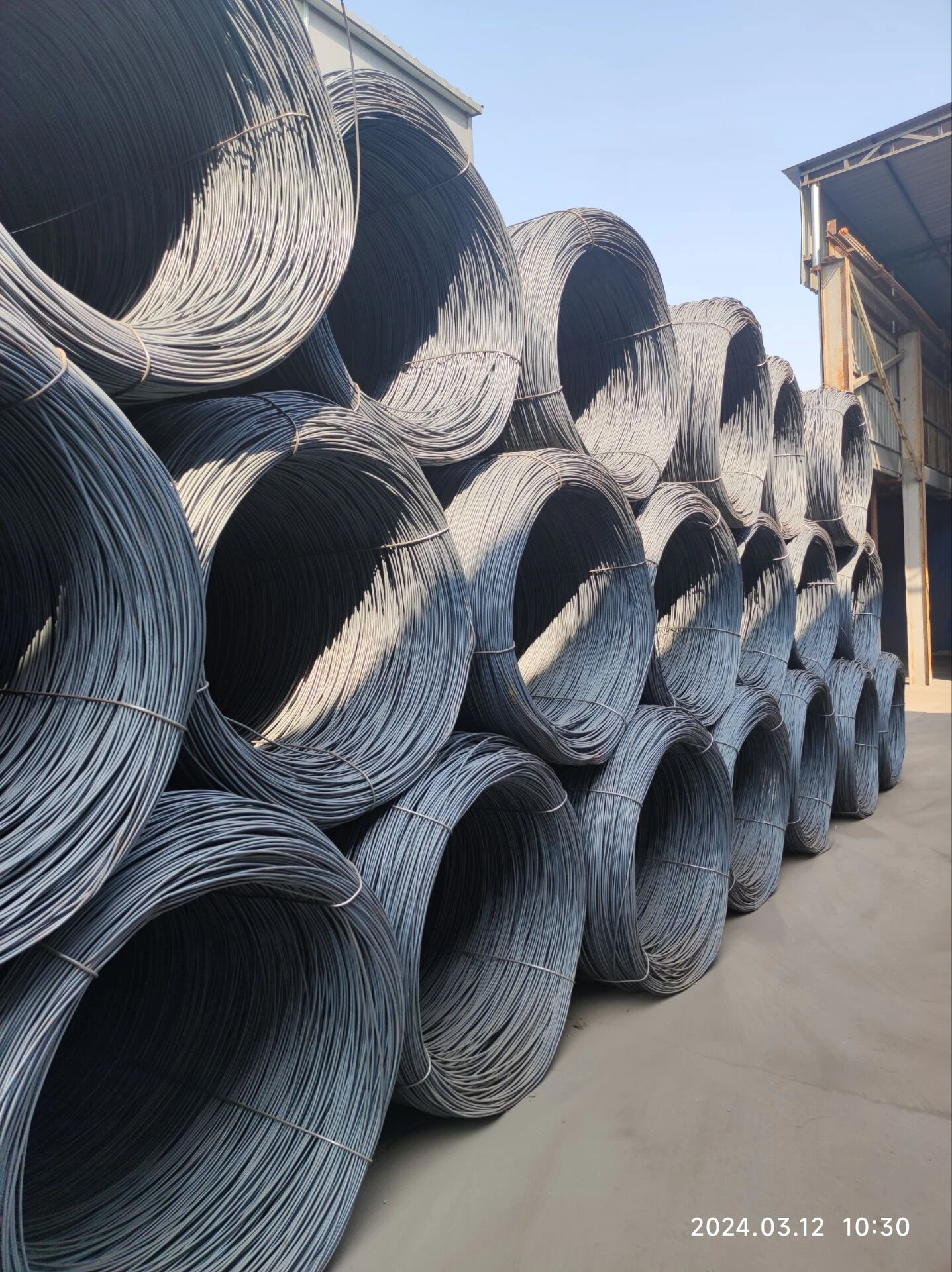
The performance of GI wire 2.5mm is dictated by its mechanical strength, corrosion resistance, and ductility. Tensile strength, typically ranging from 380 to 550 MPa depending on the steel grade, defines the wire’s ability to withstand pulling forces. Yield strength, approximately 230-350 MPa, indicates the point at which permanent deformation begins. Elongation at break (10-20%) represents the wire's ductility – its ability to stretch before fracturing.
Corrosion resistance is directly related to the zinc coating thickness, typically measured in grams per square meter (g/m²). Higher coating weights offer enhanced protection but increase cost. Environmental resistance is assessed through salt spray tests (ASTM B117) and cyclic corrosion tests. GI wire must adhere to specifications relating to hydrogen embrittlement, a phenomenon where atomic hydrogen generated during the galvanization process diffuses into the steel, reducing its ductility and potentially leading to brittle failure. Engineering applications require consideration of load factors, stress concentrations (particularly at bends and connections), and the impact of temperature variations on material properties. For example, in cable armoring, the wire needs to withstand bending fatigue and provide shielding against electromagnetic interference.
Technical Specifications
| Parameter | Units | Typical Value (GI Wire 2.5mm) | Testing Standard |
|---|---|---|---|
| Diameter | mm | 2.5 ± 0.05 | ISO 2829 |
| Tensile Strength | MPa | 400 - 500 | ASTM A610 |
| Yield Strength | MPa | 250 - 350 | ASTM A610 |
| Elongation at Break | % | 12 - 18 | ASTM A610 |
| Zinc Coating Weight | g/m² | 60 - 275 | ASTM A610 |
| Zinc Coating Thickness | µm | 5 - 20 | ISO 9000 |
Failure Mode & Maintenance
Common failure modes for GI wire 2.5mm include: uniform corrosion (gradual thinning of the zinc coating), localized corrosion (pitting or crevice corrosion), hydrogen embrittlement (leading to brittle fracture), and mechanical failure (fatigue cracking due to repeated bending or tensile stress). Failure is accelerated in marine environments, areas with high humidity, or exposure to corrosive chemicals. Crevice corrosion occurs in shielded areas where oxygen diffusion is limited, and chloride ions accumulate. The zinc coating eventually sacrifices itself, and once depleted, the steel substrate corrodes. Hydrogen embrittlement can occur during the galvanizing process if not properly controlled, leading to delayed cracking under stress.
Preventative maintenance involves regular inspection for signs of corrosion, particularly at connections and bends. Protective coatings (paint, epoxy) can be applied to extend service life, especially in harsh environments. Avoiding bending the wire beyond its specified radius minimizes fatigue cracking. Periodic cleaning to remove dirt and contaminants helps maintain corrosion resistance. In cases of significant corrosion, replacement is the recommended solution. Galvanic corrosion can occur when GI wire is in contact with dissimilar metals in the presence of an electrolyte; therefore, the use of compatible materials or isolation techniques is crucial.
Industry FAQ
Q: What is the impact of coating thickness variation on the long-term performance of GI wire?
A: Coating thickness variation is a critical factor. Thinner coatings lead to faster corrosion rates and reduced service life. Areas with insufficient zinc coverage are prone to early failure. Statistical process control (SPC) during the galvanizing process is essential to minimize thickness variations and ensure consistent protection. Regular coating thickness measurements using non-destructive testing methods are also recommended.
Q: How does the steel substrate’s composition affect the galvanizing process and the resulting corrosion resistance?
A: The steel substrate’s composition, particularly the presence of silicon and phosphorus, significantly influences the galvanizing process. Higher silicon content promotes a more adherent zinc coating but can also increase coating thickness. Phosphorus can create a brittle intermetallic layer, potentially reducing ductility. Selecting steel grades with controlled silicon and phosphorus levels is crucial for optimal performance.
Q: What are the advantages and disadvantages of using chromate passivation versus non-chromate alternatives?
A: Chromate passivation provides superior corrosion resistance but raises environmental concerns due to the toxicity of hexavalent chromium. Non-chromate alternatives, such as trivalent chromium treatments or organic coatings, are environmentally friendly but generally offer lower corrosion protection. The choice depends on the application’s specific requirements and environmental regulations.
Q: How does temperature affect the mechanical properties and corrosion resistance of GI wire?
A: Elevated temperatures can reduce the tensile strength and yield strength of the steel substrate. However, moderate temperature increases generally do not significantly impact the corrosion resistance of the zinc coating. Extreme temperatures, especially those involving rapid temperature cycling, can induce thermal stresses and potentially lead to coating cracking.
Q: What are the key considerations when specifying GI wire for use in a marine environment?
A: In marine environments, higher zinc coating weights are essential. The use of passivation treatments designed for saltwater exposure is also critical. Consider duplex systems, combining GI wire with additional protective coatings like epoxy or polyurethane, for extended service life. Regular inspection and maintenance are particularly important due to the accelerated corrosion rates in marine conditions.
Conclusion
GI wire 2.5mm remains a vital component across numerous industries due to its cost-effectiveness and reliable corrosion protection. Its performance is intrinsically linked to the quality of the raw materials, the precision of the manufacturing process, and adherence to relevant industry standards. Understanding the fundamental material science, potential failure modes, and appropriate maintenance practices are crucial for ensuring long-term structural integrity and maximizing return on investment.
Looking ahead, research and development efforts are focused on optimizing galvanizing processes to reduce zinc consumption, improve coating uniformity, and develop environmentally friendly passivation treatments. The continued refinement of steel alloys and the implementation of advanced monitoring techniques will further enhance the performance and durability of GI wire in challenging applications. Proper selection and application, based on a thorough understanding of these technical aspects, are paramount for successful implementation.