



Introduction
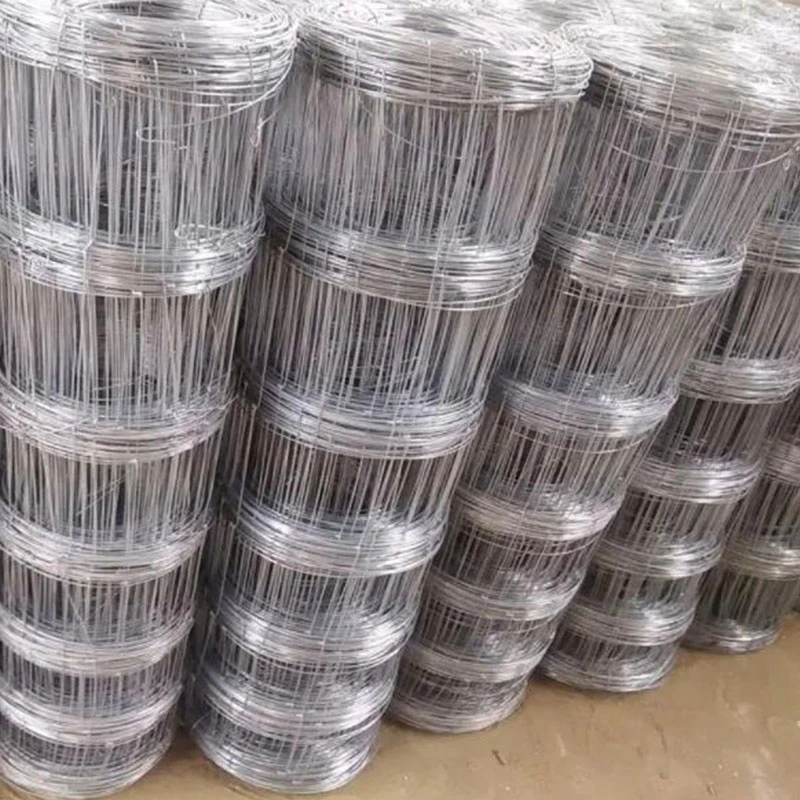
Galvanized (GI) wire, specifically 20 gauge, represents a foundational material in numerous industrial applications. This wire, produced by applying a zinc coating to steel wire, is characterized by its enhanced corrosion resistance, making it suitable for environments where exposure to moisture and corrosive agents is prevalent. Within the industry chain, GI wire 20 gauge typically serves as a component in fencing, cabling, agriculture (vineyard and orchard support), construction (binding and reinforcement), and various manufacturing processes. Its 20-gauge designation indicates a wire diameter of 0.032 inches (0.813 mm), providing a balance between tensile strength, flexibility, and cost-effectiveness. Core performance characteristics include tensile strength, yield strength, elongation, zinc coating thickness, and adherence to industry standards pertaining to corrosion protection. The primary industry pain point addressed by GI wire is the prevention of premature steel degradation, resulting in prolonged service life and reduced maintenance costs. Understanding the nuances of zinc coating application and the metallurgical properties of the steel substrate is crucial for optimizing performance.
Material Science & Manufacturing
The production of GI wire 20 gauge begins with high-carbon steel rod, typically containing 0.40-0.60% carbon. The steel's composition significantly impacts its tensile strength and ductility. Common steel grades include SAE 1008, 1010, and similar variations. The steel rod undergoes a wire drawing process, reducing its diameter through a series of dies, increasing tensile strength and improving surface finish. Critical parameters during wire drawing include die angle, reduction ratio, and lubrication – impacting the wire's final dimensions and mechanical properties. Following wire drawing, the steel wire is cleaned to remove any residual drawing compounds and surface contaminants. The galvanizing process is most commonly achieved through hot-dip galvanizing, where the steel wire is immersed in a molten zinc bath (typically 98% pure zinc) at a temperature of around 450-460°C (842-860°F). A metallurgical reaction occurs forming a series of zinc-iron alloy layers, providing corrosion protection. The thickness of the zinc coating is a critical parameter, usually specified in terms of weight per unit area (e.g., g/m²). Alternative galvanizing methods include electrogalvanizing, which uses an electrolytic process to deposit zinc onto the wire. Quality control throughout the manufacturing process involves regular tensile testing, diameter measurement, zinc coating thickness analysis (using non-destructive methods like eddy current testing), and adherence testing to ensure the coating's integrity. Hydrogen embrittlement, a potential issue during hot-dip galvanizing, is mitigated through post-treatment processes such as baking.
Performance & Engineering
The performance of GI wire 20 gauge is dictated by its mechanical properties and corrosion resistance. Tensile strength, typically ranging from 80,000 to 100,000 psi, determines the wire’s ability to withstand pulling forces. Yield strength, approximately 50,000-70,000 psi, represents the point at which permanent deformation begins. Elongation, usually between 10-20%, indicates the wire's ductility. The zinc coating provides sacrificial protection, corroding preferentially to the steel substrate. The effectiveness of this protection depends on the coating thickness and the environmental conditions. In marine environments or areas with high levels of industrial pollutants (sulfur dioxide, chlorides), the corrosion rate increases. Force analysis in applications such as fencing requires consideration of wind loads, impact forces, and the wire's inherent strength. Engineering designs must account for potential fatigue failure, particularly in applications involving repeated stress cycles. Compliance requirements are often dictated by regional building codes and industry-specific standards, focusing on load-bearing capacity, corrosion resistance, and material composition. Environmental resistance is further enhanced by the addition of passivation treatments after galvanizing, forming a protective layer that reduces the rate of zinc corrosion. Proper installation techniques, minimizing bending and abrasion, are also crucial for maintaining performance.
Technical Specifications
| Parameter | Units | Typical Value (GI Wire 20 Gauge) | Testing Standard |
|---|---|---|---|
| Diameter | inches (mm) | 0.032 (0.813) | ASTM A641 / ISO 9479-1 |
| Tensile Strength | psi (MPa) | 80,000 - 100,000 (550 - 690) | ASTM A641 / ISO 9479-1 |
| Yield Strength | psi (MPa) | 50,000 - 70,000 (345 - 483) | ASTM A641 / ISO 9479-1 |
| Elongation | % | 10 - 20 | ASTM A641 / ISO 9479-1 |
| Zinc Coating Thickness | g/m² | 40 - 60 | ASTM B693 / ISO 9479-2 |
| Zinc Coating Class | - | G120 (depending on application) | ASTM A641 / ISO 9479-2 |
Failure Mode & Maintenance
Several failure modes can affect GI wire 20 gauge in service. Corrosion is the most common, manifesting as red rust on the steel substrate once the zinc coating is depleted. This process is accelerated in acidic environments or in the presence of chlorides. Hydrogen embrittlement, while largely mitigated during manufacturing, can still lead to premature cracking under tensile stress. Fatigue cracking can occur in applications involving cyclical loading, particularly at points of bending or abrasion. Mechanical damage, such as cuts or abrasions to the coating, creates localized corrosion cells. Creep, the slow deformation under sustained stress, can occur at elevated temperatures. Maintenance strategies focus on preventing or mitigating these failure modes. Regular inspection for corrosion is crucial, particularly in exposed environments. Damaged coatings can be repaired with zinc-rich paints or coatings. Avoid excessive bending or stretching of the wire, as this can compromise the coating’s integrity. In applications where the wire is subjected to continuous tension, periodic re-tensioning may be necessary to prevent creep. For severely corroded wires, replacement is often the most cost-effective solution. Applying a protective coating over the galvanized wire (e.g., epoxy, polyurethane) can significantly extend its service life in harsh environments.
Industry FAQ
Q: What is the difference between hot-dip galvanizing and electrogalvanizing, and how does it affect the performance of the GI wire?
A: Hot-dip galvanizing provides a thicker, more robust zinc coating due to the metallurgical bonding with the steel, resulting in superior corrosion resistance, particularly in harsh environments. Electrogalvanizing produces a thinner, more uniform coating, often with a brighter finish, but generally offers lower corrosion protection. While electrogalvanizing is suitable for some applications, hot-dip galvanizing is typically preferred for outdoor and corrosive environments requiring long-term durability.
Q: How does the carbon content of the steel wire influence the galvanizing process and the final product’s properties?
A: Higher carbon content in the steel increases its hardness and tensile strength but reduces its ductility and formability. During galvanizing, higher carbon steels can be more susceptible to hydrogen embrittlement. Therefore, lower carbon steel grades (like SAE 1008) are often preferred for galvanizing to ensure good coating adhesion and minimize the risk of hydrogen-induced cracking.
Q: What is the significance of the ‘G’ designation (e.g., G120) in relation to zinc coating thickness?
A: The ‘G’ designation refers to the zinc coating weight (mass per unit area), measured in grams per square meter. A higher ‘G’ value (e.g., G120) indicates a thicker coating and, consequently, greater corrosion protection. The appropriate ‘G’ value is selected based on the intended application and the severity of the exposure environment.
Q: Can GI wire be welded, and if so, what precautions need to be taken?
A: GI wire can be welded, but the zinc coating creates fumes that are hazardous to inhale. Proper ventilation and respiratory protection are essential during welding. The zinc coating also reduces weldability, so techniques like grinding away the coating in the weld zone or using specialized galvanized welding electrodes may be necessary to achieve a strong, reliable weld.
Q: What is the expected service life of GI wire in a typical outdoor fencing application?
A: The service life of GI wire in a fencing application varies significantly depending on the environment. In relatively mild environments, it can last 20-30 years. However, in corrosive environments (e.g., coastal areas, industrial zones), the service life may be reduced to 10-15 years. Regular inspection and maintenance, such as applying protective coatings, can extend the service life.
Conclusion
GI wire 20 gauge remains a critical component across diverse industries, providing a cost-effective and reliable solution for corrosion protection. Its performance is intimately linked to the interplay between steel metallurgy, zinc coating characteristics, and the application environment. Careful consideration of these factors, coupled with adherence to relevant industry standards, ensures optimal service life and minimizes long-term costs.
Looking ahead, advancements in coating technologies, such as the development of zinc-aluminum alloy coatings, promise even greater corrosion resistance and extended service life for galvanized wire products. Continued research into mitigating hydrogen embrittlement and improving coating adhesion will further enhance the performance and reliability of GI wire in demanding applications. The demand for durable, corrosion-resistant materials will continue to drive innovation in the galvanized wire industry.