



Introduction
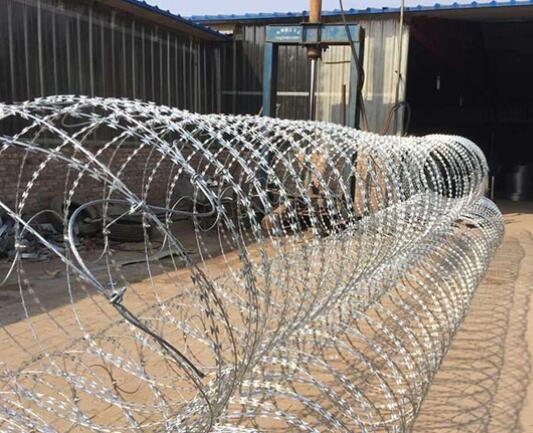
Galvanized (GI) wire, specifically 8 gauge, represents a crucial component in a diverse range of industrial and construction applications. Its primary function centers around providing a cost-effective, corrosion-resistant binding, reinforcing, and structural support material. Positioned within the broader steel wire industry, GI wire distinguishes itself through its zinc coating, offering superior protection against environmental degradation compared to bare steel alternatives. The '8 gauge' designation refers to the wire diameter, correlating to a cross-sectional area impacting tensile strength and load-bearing capacity. This guide will comprehensively explore the material science, manufacturing processes, performance characteristics, potential failure modes, and relevant industry standards surrounding 8 gauge galvanized wire, providing a detailed technical overview for procurement managers, engineers, and quality control personnel. Price fluctuations are driven by zinc ingot costs, steel billet prices, manufacturing volume, and regional demand.
Material Science & Manufacturing
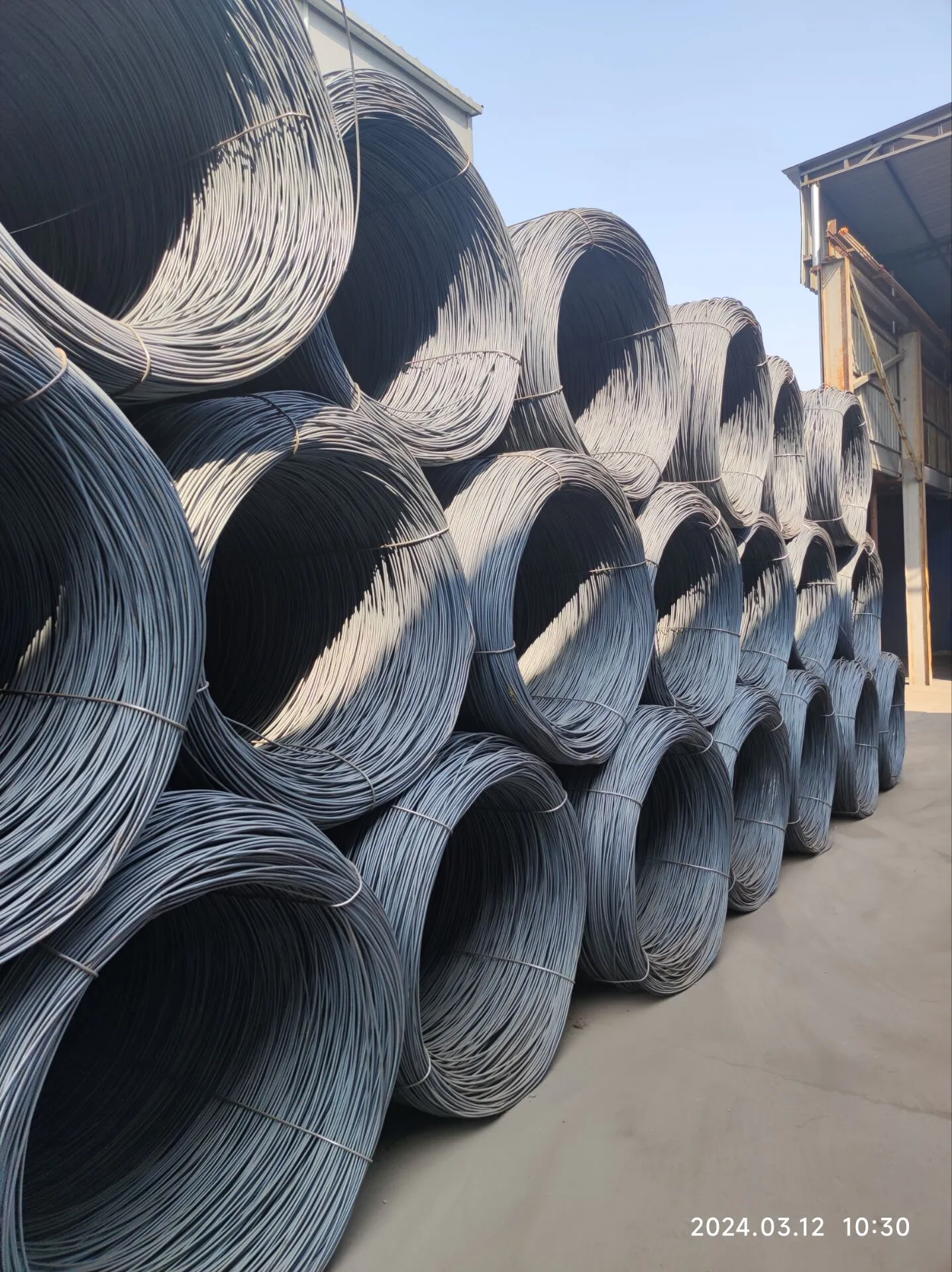
The foundational material for 8 gauge GI wire is typically low-carbon steel, chosen for its ductility and weldability. Common steel grades include SAE 1008, 1010, or similar, with a carbon content generally ranging from 0.08% to 0.10%. The critical manufacturing stage is the galvanization process, most commonly utilizing hot-dip galvanizing. This involves cleaning the steel wire to remove mill scale and contaminants, followed by immersing it in a molten zinc bath (typically 98% pure zinc with minor additions of aluminum and silicon). The zinc reacts metallurgically with the steel, forming a series of zinc-iron alloy layers, culminating in an outer layer of pure zinc. Wire drawing reduces the steel billet to the 8-gauge diameter (0.1649 inches or 4.18 mm). Parameter control is essential; bath temperature (around 450°C), immersion time, and cooling rate directly affect coating thickness and uniformity. Alternative galvanizing methods, such as electrogalvanizing, exist but are less prevalent for heavier gauge wires due to coating thickness limitations. Zinc coating weight is typically measured in grams per square meter (g/m²) and influences corrosion resistance; standard weights range from 60 g/m² to 275 g/m² depending on the intended application and environmental exposure.
Performance & Engineering
The performance of 8 gauge GI wire is primarily characterized by its tensile strength, yield strength, elongation, and corrosion resistance. Tensile strength, typically exceeding 80,000 psi (550 MPa), dictates its load-bearing capacity. Yield strength, typically around 50,000 psi (345 MPa), indicates the point at which permanent deformation begins. Elongation, generally 10-20%, signifies its ductility. Corrosion resistance is directly related to the zinc coating, providing sacrificial protection; the zinc corrodes preferentially, protecting the underlying steel. Environmental resistance depends on coating thickness, ambient humidity, salinity, and exposure to industrial pollutants. Force analysis in applications such as fencing or cable lashing necessitates consideration of wind loads, tensile stresses, and potential impact forces. Compliance requirements often involve adherence to standards governing coating thickness, zinc purity, and mechanical properties. The electrochemical potential difference between zinc and steel dictates the rate of corrosion, and this is impacted by the presence of dissimilar metals in contact with the GI wire. Galvanic corrosion can accelerate degradation if the wire is connected to a more noble metal.
Technical Specifications
| Parameter | Unit | Typical Value (8 Gauge GI Wire) | Testing Standard |
|---|---|---|---|
| Diameter | inches/mm | 0.1649 / 4.18 | ASTM A641 |
| Tensile Strength | psi/MPa | 80,000 - 90,000 / 550 - 620 | ASTM A641 |
| Yield Strength | psi/MPa | 50,000 - 60,000 / 345 - 415 | ASTM A641 |
| Elongation | % | 10 - 20 | ASTM A641 |
| Zinc Coating Weight | g/m² | 60 - 275 (depending on class) | ASTM A641 |
| Zinc Coating Thickness | µm | 5 - 25 (depending on class) | ASTM A641 |
Failure Mode & Maintenance
Common failure modes for 8 gauge GI wire include corrosion (rusting), fatigue cracking, and mechanical damage (abrasion, cutting). Corrosion occurs when the zinc coating is depleted, exposing the underlying steel to the environment. White rust (zinc corrosion product) can form in high-humidity conditions, accelerating degradation. Fatigue cracking can occur in applications involving repeated bending or tensile stresses. Mechanical damage can compromise the coating, creating localized corrosion sites. Failure analysis often reveals that premature failure is linked to inadequate coating thickness, exposure to corrosive environments (e.g., saltwater, acid rain), or mechanical abrasion. Maintenance strategies include periodic inspection for corrosion, application of protective coatings (e.g., zinc-rich paint) to damaged areas, and replacement of severely corroded wire. For fencing applications, ensuring proper tension and avoiding contact with dissimilar metals can prolong service life. In cabling applications, protecting the wire from sharp bends and abrasion is crucial. Regular cleaning to remove dirt and debris that can trap moisture also helps mitigate corrosion.
Industry FAQ
Q: What is the difference between Class 1, Class 2, and Class 3 galvanized wire?
A: These classifications refer to the zinc coating weight. Class 1 has the lowest coating weight (approximately 60 g/m²), providing moderate corrosion resistance. Class 2 (approximately 120 g/m²) offers improved protection. Class 3 (approximately 275 g/m²) provides the highest level of corrosion resistance and is ideal for harsh environments.
Q: How does the presence of chlorides affect the corrosion rate of GI wire?
A: Chlorides (e.g., saltwater) significantly accelerate corrosion. They penetrate the zinc coating and create localized corrosion cells, leading to rapid degradation of the steel substrate. In marine environments, heavier coatings (Class 3) or alternative corrosion protection methods (e.g., epoxy coating over galvanizing) are recommended.
Q: What is the impact of annealing on the mechanical properties of GI wire?
A: Annealing, a heat treatment process, increases ductility and reduces brittleness. It is often performed after wire drawing to improve formability and reduce the risk of cracking during bending or shaping. However, annealing can slightly reduce tensile strength.
Q: Can GI wire be welded? What precautions should be taken?
A: Yes, GI wire can be welded, but it requires specific techniques. The zinc coating produces fumes that are harmful and should be avoided by using proper ventilation. The welding process can also burn off the zinc coating, reducing corrosion resistance in the weld area. Post-weld zinc coating application (e.g., cold galvanizing compound) is recommended.
Q: Is GI wire suitable for direct burial applications?
A: While GI wire offers some corrosion resistance, direct burial is generally not recommended for long-term reliability. Soil conditions (moisture, pH, salinity) can significantly accelerate corrosion. For direct burial applications, specialized coatings (e.g., epoxy, polyethylene) or alternative materials (e.g., stainless steel) are preferred.
Conclusion
8 gauge galvanized wire stands as a versatile and cost-effective material solution across numerous industrial sectors. Its effectiveness hinges on a meticulous manufacturing process – specifically the hot-dip galvanization – and the resulting zinc coating, which provides essential corrosion protection. Understanding the material science, mechanical properties, and potential failure modes is paramount for ensuring optimal performance and longevity. Selecting the appropriate class of galvanization based on the intended environment, coupled with proper installation and maintenance practices, is crucial for maximizing the lifespan and return on investment.
Future developments will likely focus on enhancing the corrosion resistance of GI wire through advanced coating technologies (e.g., zinc-aluminum alloys, multi-layer coatings) and optimizing manufacturing processes to achieve more uniform and durable coatings. Furthermore, increased emphasis on sustainability will drive research into alternative galvanizing techniques with reduced environmental impact. Continued adherence to relevant industry standards and rigorous quality control procedures will remain critical for maintaining the reliability and performance of this widely used material.