



Introduction
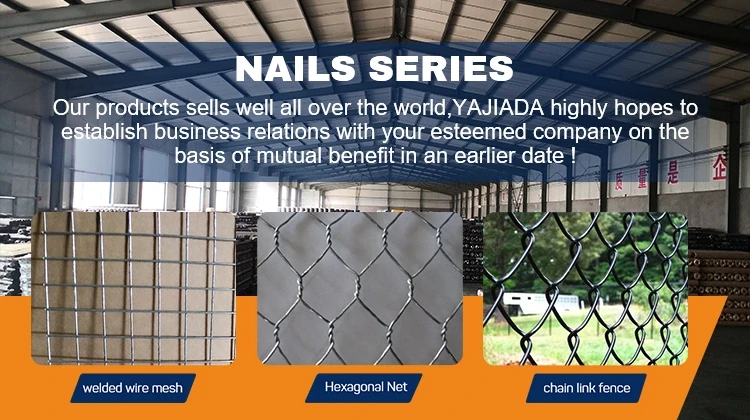
Galvanized (GI) wire gauge 12 is a widely used steel wire coated with a zinc layer to provide corrosion resistance. Within the broader steel wire industry, gauge 12 represents a specific diameter – approximately 2.64 mm (0.104 inches) – defining its mechanical properties and applications. This wire is a fundamental component in various sectors including construction, agriculture, telecommunications, and manufacturing, serving roles in fencing, cable lashing, binding, and forming reinforcement. Core performance characteristics include tensile strength, zinc coating weight, ductility, and resistance to environmental degradation. A key industry pain point is maintaining consistent coating quality to ensure long-term corrosion protection, particularly in aggressive environments, and achieving dimensional tolerances for automated processing. Understanding these factors is critical for procurement and engineering professionals to ensure optimal material selection and performance.
Material Science & Manufacturing
GI wire gauge 12 begins with high-carbon steel rod, typically SAE 1008 or similar, possessing a tensile strength of 490-550 MPa. The steel composition is crucial; the carbon content affects hardenability and ductility, while trace elements influence weldability. Manufacturing commences with cold drawing the steel rod through a series of dies to achieve the desired 2.64 mm diameter. This process work-hardens the steel, increasing its strength but reducing ductility. Annealing, often a batch process involving controlled heating and cooling, restores ductility. Following annealing, the wire undergoes pickling with hydrochloric acid to remove mill scale and prepare the surface for galvanizing. The galvanizing process, usually hot-dip galvanizing, involves immersing the wire in molten zinc (98% purity or higher) at temperatures around 450-460°C. The zinc metallurgically bonds with the steel surface, forming a protective alloy layer. Critical parameters include zinc bath temperature, immersion time, and cooling rate, all influencing coating thickness and uniformity. Post-galvanizing treatments such as chromate conversion coating may be applied to further enhance corrosion resistance, although increasingly restricted due to environmental concerns. Quality control includes regular zinc coating thickness measurements (using magnetic or eddy current methods) and adherence to specified surface finish requirements.
Performance & Engineering
The performance of GI wire gauge 12 is dictated by its mechanical and corrosion-resistant properties. Tensile strength is a key factor in applications like fencing and cable lashing, where the wire must withstand significant loads. The yield strength determines the load at which permanent deformation occurs. Ductility, measured by elongation percentage, is important for forming and bending operations. Corrosion resistance is primarily provided by the zinc coating, which acts as a sacrificial anode, protecting the steel substrate. The rate of corrosion depends on environmental factors such as humidity, salt spray exposure, and temperature. Engineering calculations must consider the wire's load-bearing capacity, accounting for safety factors and potential dynamic loading. Compliance requirements vary by region and application. For example, fencing wire may need to meet specific gauge and tensile strength standards set by agricultural authorities. In telecommunications, wire used for cable lashing must adhere to Telcordia GR-1221-CORE standards for mechanical and environmental performance. The zinc coating weight significantly impacts corrosion resistance, with heavier coatings providing longer service life in corrosive environments. Galvanic corrosion can occur if the GI wire is in contact with dissimilar metals in a conductive environment, necessitating appropriate insulation or material selection.
Technical Specifications
| Parameter | Typical Value | Test Method | Units |
|---|---|---|---|
| Diameter | 2.64 | Micrometer | mm |
| Tensile Strength | 490-550 | ASTM A610 | MPa |
| Zinc Coating Weight | 60-80 | ASTM B693 | g/m² |
| Elongation | 12-18 | ASTM A610 | % |
| Yield Strength | 345-415 | ASTM A610 | MPa |
| Hydrogen Embrittlement | ≤ 0.00015 wt% | ASTM A871 | % |
Failure Mode & Maintenance
Common failure modes for GI wire gauge 12 include corrosion, fatigue cracking, and mechanical damage. Corrosion, especially in marine or industrial environments, leads to zinc depletion and eventual steel substrate attack. Red rust formation indicates complete zinc layer breakdown. Fatigue cracking can occur under cyclic loading, particularly at bends or points of stress concentration. This is exacerbated by pre-existing surface defects. Mechanical damage, such as cuts or abrasions, exposes the steel core to corrosion. Hydrogen embrittlement, a result of the pickling process, can reduce ductility and promote cracking, although modern pickling inhibitors mitigate this risk. Maintenance involves regular visual inspection for corrosion and damage. For minor corrosion, applying a zinc-rich paint or coating can provide temporary protection. Damaged wire should be replaced. In fencing applications, ensure proper grounding to minimize galvanic corrosion. For cable lashing, periodic inspection of the wire tension is recommended. Avoid bending the wire excessively, as this can lead to fatigue cracking. Storage should be in a dry, sheltered environment to prevent premature corrosion.
Industry FAQ
Q: What is the typical lifespan of GI wire gauge 12 in an outdoor fencing application?
A: The lifespan depends heavily on the environment. In mild, rural environments, a properly coated wire can last 10-15 years. However, in coastal areas with high salt spray or industrial zones with corrosive pollutants, the lifespan may be reduced to 5-8 years. Regular inspection and preventative maintenance (like re-coating) can extend the service life.
Q: How does the annealing process affect the performance of the wire?
A: Annealing is crucial for restoring ductility after cold drawing. Without annealing, the wire would be too brittle and prone to cracking during forming or installation. The annealing process ensures the wire can be bent and shaped without fracturing, improving its overall reliability.
Q: What is the significance of the zinc coating weight?
A: Higher zinc coating weights provide greater corrosion protection. A thicker coating acts as a more substantial sacrificial anode, delaying the onset of steel corrosion. However, there are practical limits; excessively thick coatings can become brittle and prone to cracking. Standards like ASTM B693 specify minimum coating weight requirements for different service environments.
Q: Can GI wire be welded? What considerations are necessary?
A: GI wire can be welded, but it requires specific techniques. The zinc coating produces fumes that are hazardous and require proper ventilation. Pre-cleaning the wire to remove the zinc coating in the weld area is recommended to prevent porosity and ensure a strong weld. Using a flux designed for galvanized steel is also beneficial.
Q: What are the alternatives to traditional hot-dip galvanizing for corrosion protection?
A: Alternatives include electro-galvanizing, zinc-aluminum alloy coatings (Galvalume), and powder coating over a zinc primer. Electro-galvanizing offers a smoother finish but typically provides less corrosion protection than hot-dip galvanizing. Galvalume combines the benefits of zinc and aluminum, providing excellent corrosion resistance. Powder coating adds an aesthetic finish and an additional barrier layer.
Conclusion
GI wire gauge 12 represents a cost-effective and versatile solution for a wide range of applications demanding corrosion resistance and moderate tensile strength. Its performance is intrinsically linked to the quality of the steel substrate, the consistency of the zinc coating, and the environmental conditions it is exposed to. Understanding the manufacturing process, potential failure modes, and relevant industry standards is paramount for engineers and procurement professionals selecting this material.
Looking ahead, ongoing research focuses on developing more environmentally friendly galvanizing processes and alternative coatings with enhanced corrosion resistance. The increasing demand for longer service life and reduced maintenance will drive innovation in materials and surface treatments for GI wire, ensuring its continued relevance in a diverse array of industrial applications.