



Introduction
Galvanized (GI) wire, a staple in numerous industrial and commercial applications, represents a significant cost component in projects ranging from fencing and agriculture to construction and manufacturing. The price per meter of GI wire is dictated by a complex interplay of factors including raw material costs (steel and zinc), manufacturing processes, wire gauge, tensile strength, coating thickness, and market demand. This guide provides an in-depth technical analysis of GI wire, detailing its material composition, manufacturing methodologies, performance characteristics, potential failure modes, and relevant industry standards. Understanding these elements is crucial for procurement managers, engineers, and quality control personnel seeking to optimize material selection and ensure long-term structural integrity. GI wire’s primary function is to provide corrosion resistance to carbon steel wire, extending its service life in exposed environments. Price fluctuations directly impact project budgets and necessitate a thorough understanding of the underlying drivers.
Material Science & Manufacturing
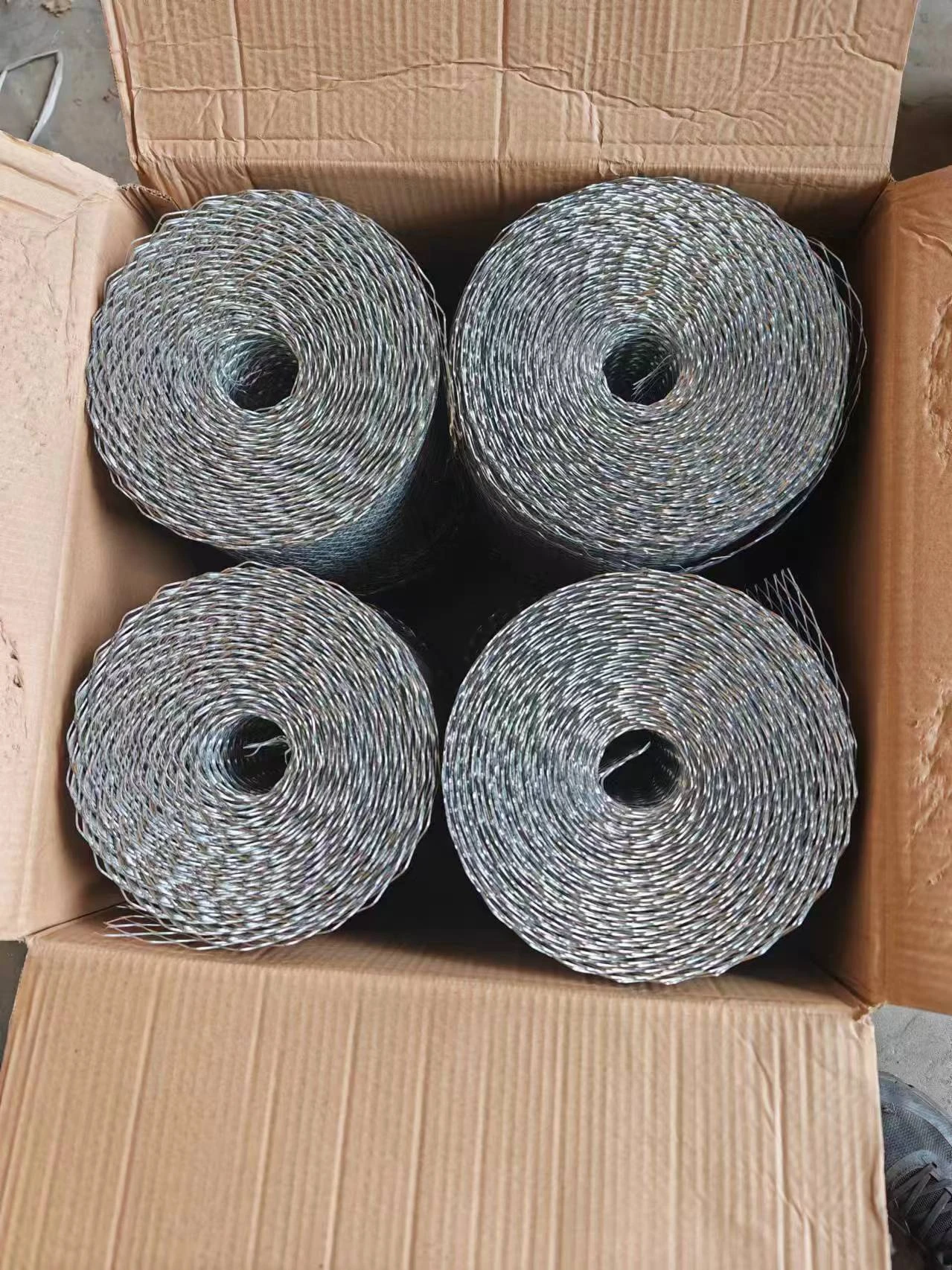
GI wire is fundamentally composed of a carbon steel core coated with a layer of zinc. The steel substrate typically conforms to standards such as ASTM A641 or EN 10218-1, with carbon content varying based on the desired tensile strength. Higher carbon content generally yields increased strength but reduced ductility. The zinc coating is applied via one of two primary methods: hot-dip galvanizing or electro-galvanizing. Hot-dip galvanizing involves immersing the steel wire in a molten zinc bath, creating a metallurgical bond with a relatively thick coating (typically 50-150 μm). This process results in a robust, durable coating with excellent corrosion resistance. Electro-galvanizing, conversely, uses an electrolytic process to deposit a thinner zinc layer (typically 5-30 μm). While offering a smoother surface finish, electro-galvanized wire generally exhibits lower corrosion protection. Critical manufacturing parameters include wire drawing speed, annealing temperature, and the zinc bath composition (for hot-dip). Precise control of these parameters is essential to achieve the desired mechanical properties and coating uniformity. The quality of the zinc used – its purity and alloy composition – directly influences the coating’s performance. Pre-treatment of the steel wire, including cleaning and pickling, is vital to ensure adequate adhesion of the zinc coating. Surface preparation removes mill scale and other contaminants that could compromise the galvanizing process.
Performance & Engineering
The performance of GI wire is fundamentally linked to its corrosion resistance and mechanical properties. The zinc coating acts as a sacrificial anode, preferentially corroding over the steel substrate, thereby protecting the steel from rust. The rate of zinc corrosion is influenced by environmental factors such as humidity, temperature, and the presence of pollutants (e.g., chlorides, sulfates). Engineering calculations involving GI wire require consideration of its tensile strength, yield strength, and elongation. These parameters are determined through standardized testing procedures (ASTM A641, EN 10218-1). The wire’s ability to withstand applied loads without permanent deformation or fracture is paramount in applications such as fencing and suspension systems. Furthermore, the coating thickness directly correlates with corrosion resistance; thicker coatings provide longer-lasting protection. A critical engineering consideration is the potential for galvanic corrosion when GI wire is in contact with dissimilar metals. This can be mitigated through the use of insulating materials or the application of protective coatings. Environmental resistance analysis must also account for the impact of UV radiation, which can degrade the zinc coating over time. Proper design and installation practices, such as avoiding direct contact with concrete or other alkaline materials, are essential to maximize the wire’s service life. The effectiveness of the zinc coating is often quantified through salt spray testing (ASTM B117), which accelerates the corrosion process and provides a comparative measure of corrosion resistance.
Technical Specifications
| Parameter | Units | Typical Value (Low Carbon Steel Core) | Typical Value (High Carbon Steel Core) |
|---|---|---|---|
| Wire Gauge (Diameter) | mm | 1.2 - 5.0 | 0.8 - 3.0 |
| Tensile Strength | MPa | 350 - 550 | 800 - 1200 |
| Zinc Coating Thickness (Hot-Dip) | μm | 50 - 150 | 50 - 150 |
| Zinc Coating Thickness (Electro-Galvanized) | μm | 5 - 30 | 5 - 30 |
| Elongation at Break | % | 15 - 25 | 8 - 15 |
| Yield Strength | MPa | 250 - 400 | 600 - 900 |
Failure Mode & Maintenance
GI wire is susceptible to several failure modes, primarily related to corrosion and mechanical stress. The most common failure mechanism is undercutting corrosion, where the zinc coating is compromised at edges or scratches, allowing corrosive agents to penetrate and attack the steel substrate. White rust (zinc oxide) can form on the surface, particularly in humid environments, indicating a breakdown of the protective layer. Hydrogen embrittlement, a phenomenon occurring during the pickling process or due to acidic environments, can reduce the wire’s ductility and increase its susceptibility to fracture. Mechanical failures include fatigue cracking due to cyclic loading, particularly in applications involving vibrations or repeated bending. Creep, the gradual deformation under sustained tensile stress, can also occur over time. Maintenance strategies focus on preventative measures. Regular inspection for signs of corrosion (rust spots, white rust) is crucial. Damaged or corroded sections should be repaired or replaced promptly. Applying a protective coating (e.g., paint, epoxy) over the galvanized surface can provide an additional barrier against corrosion. For applications in marine environments or areas with high chloride exposure, consider using thicker zinc coatings or alternative corrosion-resistant alloys. Avoiding abrasion and impact damage during handling and installation is also important to preserve the integrity of the zinc coating. Cleaning the wire periodically to remove dirt and debris can help prevent the buildup of corrosive contaminants.
Industry FAQ
Q: What is the primary driver of price fluctuations in GI wire?
A: The most significant driver is the price of raw materials, specifically steel and zinc. Global steel demand, iron ore prices, and zinc mining output all have a direct impact. Energy costs associated with manufacturing also contribute to price volatility. Supply chain disruptions can also significantly impact price.
Q: How does the zinc coating thickness affect the long-term cost-effectiveness of GI wire?
A: A thicker zinc coating provides superior corrosion protection, extending the wire’s service life and reducing the need for frequent replacements. While a thicker coating may increase the initial cost per meter, the reduced maintenance and replacement costs often result in a lower total cost of ownership over the lifespan of the application.
Q: What is the difference between hot-dip galvanized and electro-galvanized wire in terms of corrosion resistance?
A: Hot-dip galvanized wire offers significantly better corrosion resistance due to its thicker, metallurgically bonded zinc coating. Electro-galvanized wire has a thinner coating and is more susceptible to corrosion, particularly in harsh environments. Hot-dip is generally preferred for outdoor applications where long-term durability is critical.
Q: Can GI wire be used in direct contact with concrete?
A: It is generally not recommended to use GI wire in direct contact with concrete or other alkaline materials. The alkaline environment can accelerate the corrosion of the zinc coating. If direct contact is unavoidable, a barrier coating or the use of stainless steel tie wire should be considered.
Q: What testing standards are commonly used to assess the quality of GI wire?
A: Common testing standards include ASTM A641 (for wire rope), ASTM A641/A641M (Standard Specification for Zinc-Coated Steel Wire), EN 10218-1 (European standard for wire products), and ASTM B117 (Salt Spray Testing for corrosion resistance). Tensile strength, yield strength, elongation, and coating thickness are all routinely tested.
Conclusion
GI wire remains a critical material across diverse industries due to its cost-effectiveness and corrosion resistance. The price per meter is a complex function of material costs, manufacturing processes, and coating characteristics. A thorough understanding of these factors is vital for informed procurement decisions and successful project outcomes. Selecting the appropriate wire gauge, zinc coating thickness, and manufacturing method – hot-dip versus electro-galvanizing – are key considerations for maximizing performance and longevity.
Looking forward, advancements in zinc alloy coatings and alternative corrosion protection technologies are likely to influence the GI wire market. Sustainability concerns are driving research into more environmentally friendly galvanizing processes and the use of recycled materials. Continued monitoring of raw material prices and global economic conditions will be essential for navigating price fluctuations and ensuring a stable supply of this essential material.