



Introduction
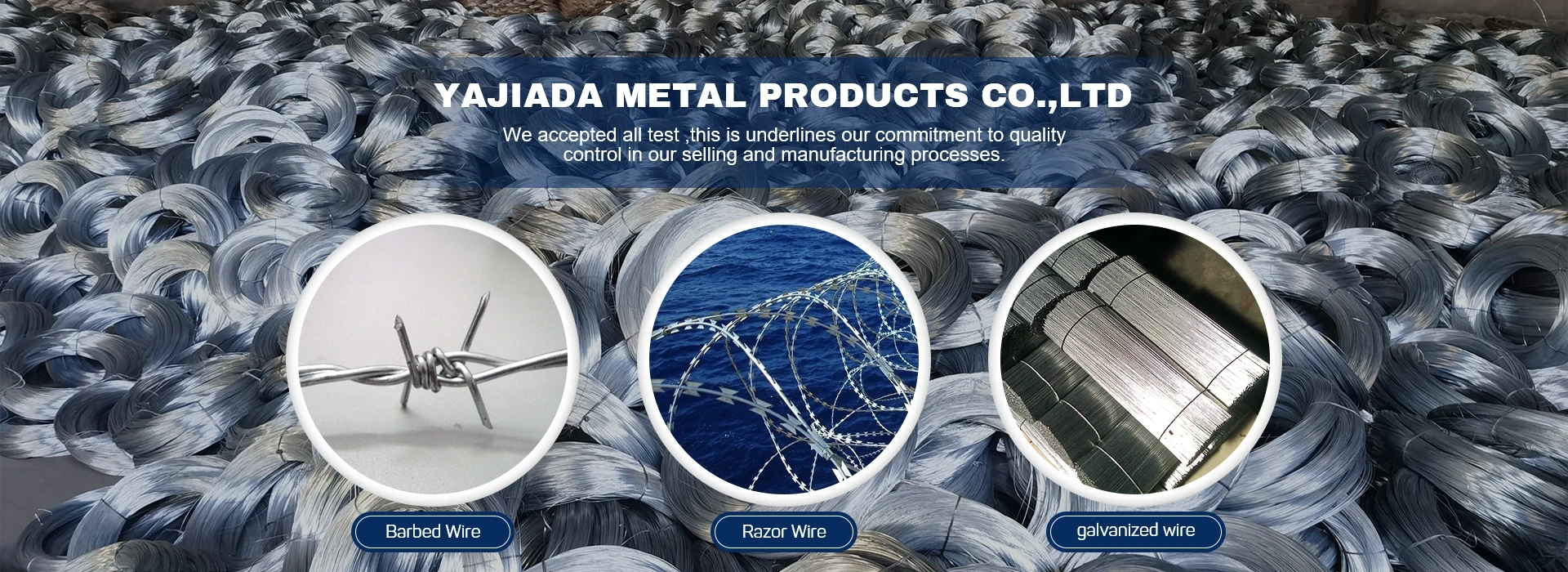
Galvanized iron (GI) wire is a carbon steel wire coated with a layer of zinc through a hot-dip galvanization process. This coating provides protection against corrosion, making GI wire a crucial material across diverse industries, including construction, agriculture, telecommunications, and manufacturing. Its position within the industry chain is primarily as a foundational material for fabricated products like fencing, cables, springs, and binding wire. Core performance characteristics include tensile strength, ductility, corrosion resistance (dictated by zinc coating thickness), and formability. The selection of GI wire is often driven by cost-effectiveness compared to stainless steel, balanced against the required lifespan and environmental exposure conditions. A key pain point in the industry is ensuring consistent zinc coating adhesion and thickness to guarantee long-term corrosion protection, as well as managing hydrogen embrittlement during the galvanization process.
Material Science & Manufacturing
GI wire production begins with high-carbon steel rod, typically containing 0.40-0.85% carbon, providing necessary tensile strength. The steel’s composition influences weldability and drawing characteristics. Raw material quality is paramount; impurities like sulfur and phosphorus can negatively impact galvanization adhesion. The manufacturing process involves several stages: first, the steel rod is drawn through a series of dies to achieve the desired wire diameter. This cold-working process increases tensile strength but reduces ductility, requiring subsequent annealing to restore formability. Annealing is typically performed in a controlled atmosphere furnace to prevent oxidation. Following annealing, the wire is pickled in hydrochloric acid to remove surface scale. This cleaning step is critical for achieving proper zinc adhesion. The core of the process is hot-dip galvanization. The cleaned wire is passed through a molten zinc bath (typically 98% pure zinc with minor additions of aluminum and silicon to refine the coating structure). Critical parameters during galvanization include bath temperature (maintained around 450-460°C), immersion time, and withdrawal speed. These parameters control coating thickness and uniformity. Post-galvanization, the wire undergoes cooling and may receive passivation treatments to further enhance corrosion resistance. Hydrogen embrittlement, a potential issue during pickling and galvanization, is mitigated through post-treatment baking processes. Zinc coating thickness is measured using non-destructive methods like eddy current testing.
Performance & Engineering
The performance of GI wire is fundamentally governed by the properties of both the steel core and the zinc coating. Tensile strength, a critical parameter for applications like fencing and cable armoring, is determined by the steel grade and cold-working processes. Ductility, or the ability to deform without fracture, is essential for wire forming and wrapping applications. Corrosion resistance is directly proportional to the zinc coating thickness and uniformity. The zinc coating acts as a barrier to prevent the steel core from coming into contact with corrosive elements. However, the coating sacrifices itself preferentially to protect the steel – a process known as galvanic protection. Environmental resistance assessments involve exposure testing in salt spray chambers (ASTM B117) and cyclic corrosion tests. Mechanical properties are assessed using standardized tensile testing (ASTM A370) and bend tests (ASTM A90). In applications involving significant bending or deformation, the susceptibility to zinc coating cracking must be considered. Furthermore, the long-term performance is impacted by the environment; exposure to chlorides (marine environments) and industrial pollutants accelerates corrosion. Compliance requirements often dictate minimum zinc coating thickness based on anticipated exposure levels, referencing standards like ASTM A123. Force analysis in applications such as spring manufacturing demands precise control of tensile strength and elastic modulus.
Technical Specifications
| Wire Diameter (mm) | Tensile Strength (MPa) | Zinc Coating Thickness (µm) | Hydrogen Embrittlement Risk |
|---|---|---|---|
| 1.6 | 350-500 | 45-60 | Low (with proper post-treatment) |
| 2.0 | 400-550 | 50-70 | Medium (requires baking) |
| 2.5 | 450-600 | 60-80 | Medium (requires baking) |
| 3.0 | 500-650 | 70-90 | High (critical baking needed) |
| 4.0 | 550-700 | 80-100 | High (critical baking needed) |
| 5.0 | 600-750 | 90-110 | High (critical baking needed) |
Failure Mode & Maintenance
GI wire failures commonly stem from corrosion, mechanical fatigue, and coating defects. Uniform corrosion occurs when the zinc coating is depleted, exposing the steel to the environment. This is accelerated in acidic or saline environments. Localized corrosion, such as pitting, can occur due to imperfections in the zinc coating or the presence of chlorides. Hydrogen embrittlement, as previously mentioned, can lead to brittle fracture, especially in high-strength wire subjected to tensile stress. Mechanical fatigue failures result from repeated bending or flexing, leading to crack initiation and propagation. Coating defects, including porosity, incomplete coverage, and thin spots, compromise corrosion resistance. Maintenance strategies focus on preventing corrosion and addressing mechanical damage. Regularly inspecting wires for signs of rust, cracks, or coating degradation is crucial. For exposed applications, applying a protective coating (paint, epoxy) over the galvanized wire can extend its lifespan. In marine environments, more frequent inspections and protective measures are necessary. For wires subjected to bending, periodic lubrication can reduce friction and fatigue. Damaged or severely corroded sections should be replaced promptly to prevent catastrophic failure. Proper storage of GI wire in a dry, well-ventilated environment prevents premature corrosion.
Industry FAQ
Q: What is the impact of varying silicon content in the galvanizing bath on the coating morphology and corrosion resistance?
A: Increasing silicon content in the molten zinc bath refines the grain structure of the zinc coating, resulting in a smoother, more uniform coating. This refined microstructure enhances corrosion resistance by reducing the number of preferential corrosion sites. However, excessively high silicon levels can increase coating brittleness.
Q: How does the steel substrate's surface roughness affect the zinc coating adhesion?
A: A rougher steel surface generally provides a larger surface area for zinc adhesion, potentially improving bonding. However, extremely rough surfaces can trap pickling residues and hinder complete zinc coverage, leading to localized corrosion. Optimal surface roughness is achieved through proper pickling and pre-treatment.
Q: What are the advantages and disadvantages of using zinc-aluminum alloy coatings compared to pure zinc coatings?
A: Zinc-aluminum alloy coatings (Galvalume) offer superior corrosion resistance compared to pure zinc, particularly in harsh environments. The aluminum component forms a protective aluminum oxide layer. However, Galvalume coatings are typically more expensive than pure zinc, and can exhibit galvanic incompatibility with certain materials.
Q: What is the typical service life expectancy of GI wire in a moderately corrosive agricultural environment?
A: In a moderately corrosive agricultural environment (exposure to fertilizers, moisture, and salt spray), a properly galvanized GI wire with a coating thickness of 60-80 µm can be expected to provide 10-20 years of service life, provided it is inspected and maintained regularly.
Q: How can you accurately quantify the risk of hydrogen embrittlement in a specific GI wire application?
A: Quantifying hydrogen embrittlement risk requires considering factors like steel strength, pickling acid concentration and duration, galvanizing bath temperature, and post-galvanization baking procedures. Hydrogen content in the wire can be measured using destructive testing methods. Non-destructive techniques like ultrasonic testing can detect embrittlement-induced microcracks.
Conclusion
Galvanized iron wire remains a cornerstone material in numerous industries due to its cost-effective corrosion protection and robust mechanical properties. The manufacturing process, while seemingly straightforward, demands stringent control over material selection, process parameters (temperature, immersion time, and coating thickness), and post-treatment procedures to mitigate issues like hydrogen embrittlement and ensure consistent coating quality. The long-term performance is dictated by the interplay between the steel core, the zinc coating, and the surrounding environment, necessitating proper maintenance and inspection protocols.
Future developments in GI wire technology will likely focus on enhancing corrosion resistance through optimized zinc alloy coatings, exploring alternative passivation treatments, and implementing advanced monitoring techniques for real-time assessment of coating integrity. The drive towards sustainable materials and manufacturing processes will also spur research into eco-friendly galvanization methods and the use of recycled materials, addressing both performance and environmental concerns.