



Introduction
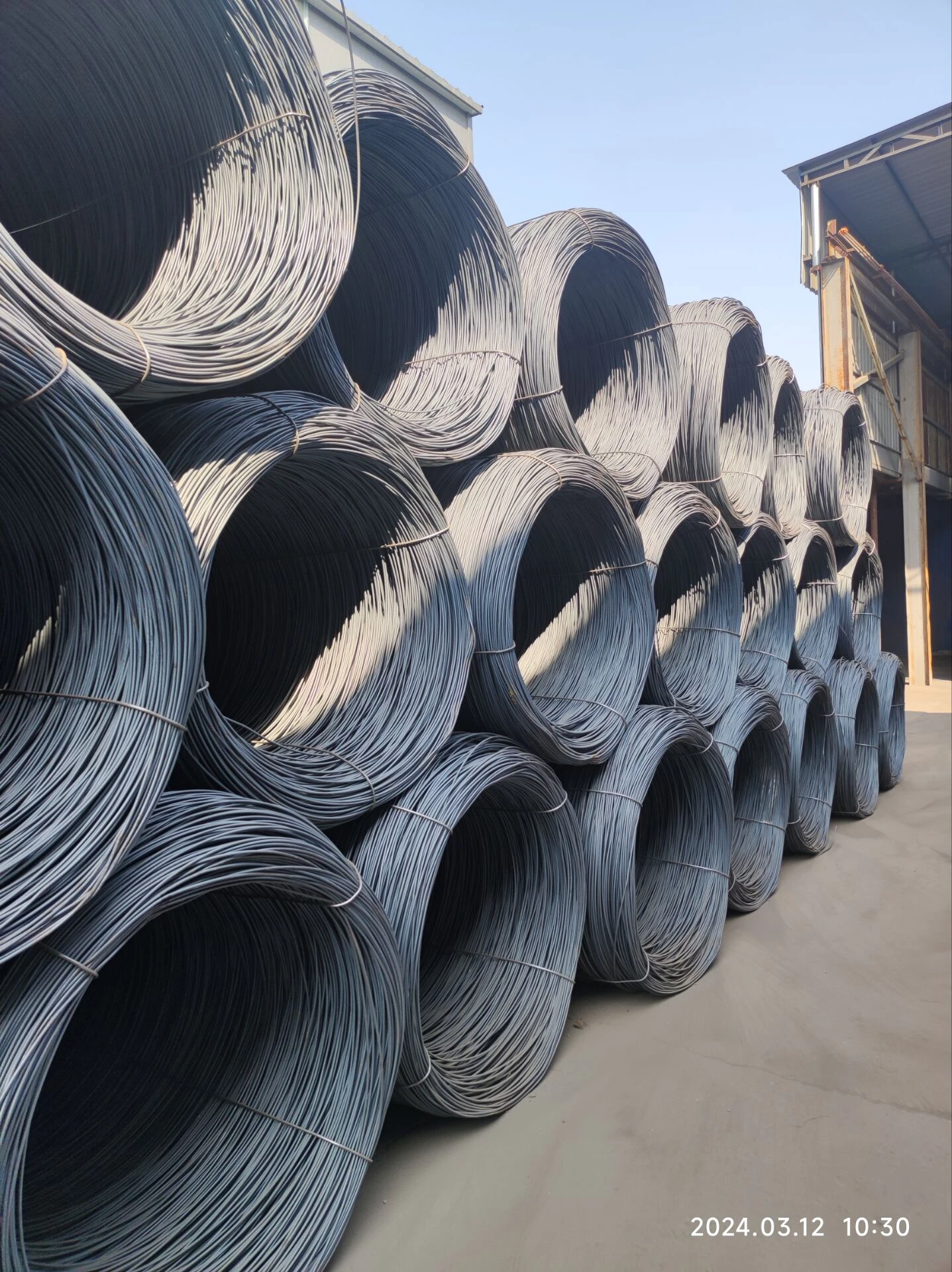
Heavy gauge galvanized wire is a crucial component in a broad spectrum of industrial, agricultural, and construction applications. Defined by its substantial diameter – typically ranging from 6 gauge (4.127mm) down to 14 gauge (1.628mm), though variations exist – and its zinc coating, this wire provides a robust combination of tensile strength and corrosion resistance. Within the metal product supply chain, it represents a semi-finished good, directly derived from hot-rolled steel wire rod, subsequently undergoing galvanization to enhance its durability. Its core performance characteristics center around load-bearing capacity, resistance to environmental degradation, and longevity in harsh operating conditions, making it a preferred material for fencing, cabling, suspension systems, and reinforcement. The escalating demand for infrastructure resilience and long-term cost efficiency is driving increased adoption of heavy gauge galvanized wire across multiple sectors, placing a premium on consistent quality and adherence to stringent industry standards. A key pain point for procurement is ensuring consistent zinc coating thickness and avoiding hydrogen embrittlement during the galvanization process.
Material Science & Manufacturing
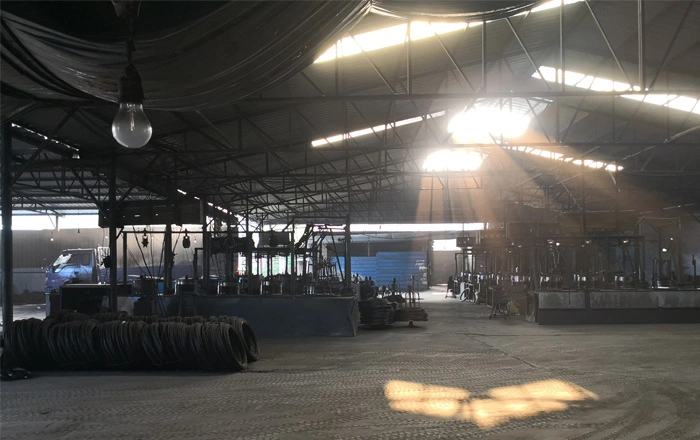
The primary raw material for heavy gauge galvanized wire is carbon steel, typically conforming to specifications like ASTM A36 or equivalent international standards. The steel's composition significantly influences its ductility and weldability, vital for subsequent wire drawing. Manufacturing begins with hot rolling of steel billets into wire rod. This is followed by pickling to remove mill scale, a crucial step for ensuring proper zinc adhesion. Wire drawing, employing a series of dies, reduces the diameter of the rod while increasing its tensile strength. This process induces work hardening, requiring intermediate annealing to restore ductility and prevent fracture. The galvanization process, most commonly hot-dip galvanizing, is then performed. The wire is immersed in a molten zinc bath (typically 98% pure zinc) maintained at around 450°C (842°F). The metallurgical reaction forms a series of zinc-iron alloy layers, culminating in an outer layer of pure zinc. Key process parameters include bath temperature, immersion time, steel surface preparation, and cooling rate. Precise control over these parameters is critical to achieving a uniform, adherent coating and avoiding issues like uneven coating thickness, spangling (excessive zinc crystallization), and hydrogen embrittlement. A secondary process, passivation, is often employed to mitigate white rust formation and enhance long-term corrosion resistance. The zinc coating’s crystalline structure – specifically the proportion of Eta, Zeta, and Gamma phases – dictates its protective capabilities. Improper cooling can result in a brittle coating susceptible to cracking.
Performance & Engineering
The performance of heavy gauge galvanized wire is fundamentally governed by its tensile strength, yield strength, elongation, and corrosion resistance. Tensile strength, determined through standardized tests (ASTM A6), dictates the wire’s ability to withstand pulling forces without fracture. Yield strength defines the point at which permanent deformation begins. Elongation, a measure of ductility, indicates the wire’s capacity to deform before breaking. These mechanical properties are directly influenced by the steel's composition, the wire drawing process, and any subsequent heat treatments. Corrosion resistance is primarily a function of the zinc coating thickness and its metallurgical structure. The zinc acts as a sacrificial anode, corroding preferentially to protect the underlying steel. The rate of corrosion depends on environmental factors such as humidity, salinity, and exposure to industrial pollutants. Engineering considerations include load calculations for suspension applications, wire rope construction, and fence design. Safety factors must account for dynamic loads, wind forces, and potential impact events. Furthermore, compatibility with connecting hardware (clips, connectors, turnbuckles) is crucial, ensuring galvanic compatibility to prevent accelerated corrosion. The wire’s behavior under sustained tensile load at elevated temperatures must also be considered in specific applications. Hydrogen embrittlement, a potential failure mode, occurs when atomic hydrogen, generated during the galvanization process, diffuses into the steel lattice, reducing its ductility and increasing its susceptibility to cracking, particularly under stress. This is mitigated through careful control of the galvanizing process and, if necessary, a post-galvanizing baking treatment.
Technical Specifications
| Gauge (AWG) | Diameter (mm) | Tensile Strength (MPa) | Zinc Coating Thickness (µm) |
|---|---|---|---|
| 6 | 4.127 | 800-1000 | 85-100 |
| 8 | 3.264 | 700-900 | 70-85 |
| 9 | 2.906 | 650-850 | 65-80 |
| 10 | 2.588 | 600-800 | 60-75 |
| 11 | 2.304 | 550-750 | 55-70 |
| 12 | 2.053 | 500-700 | 50-65 |
Failure Mode & Maintenance
Common failure modes for heavy gauge galvanized wire include corrosion-induced section loss, mechanical fatigue from cyclic loading, tensile overload leading to fracture, and hydrogen embrittlement. Corrosion manifests initially as white rust (zinc oxide) and progresses to red rust (iron oxide) if the zinc coating is breached. Fatigue cracking typically initiates at stress concentrators, such as bends, kinks, or points of contact with abrasive surfaces. Tensile overload occurs when the applied load exceeds the wire’s ultimate tensile strength. Hydrogen embrittlement, as previously mentioned, reduces ductility and promotes brittle fracture. To mitigate these failures, regular inspection is crucial. Visual inspections should focus on identifying areas of corrosion, deformation, or damage to the zinc coating. Non-destructive testing methods, such as magnetic particle inspection, can detect subsurface cracks. Maintenance practices include applying protective coatings (e.g., zinc-rich paints) to areas where the zinc coating has been damaged, lubricating moving parts to reduce friction, and ensuring proper load distribution. Periodic re-galvanizing may be considered for heavily stressed wires operating in harsh environments. If corrosion is localized and minor, cleaning and application of a zinc-rich compound can provide temporary protection. However, severely corroded wires should be replaced immediately to prevent catastrophic failure. Avoid bending the wire sharply during installation or maintenance as this creates stress risers. Proper storage, shielded from moisture and corrosive agents, will prolong the service life.
Industry FAQ
Q: What is the significance of the zinc coating weight (mass/area) and how does it correlate to corrosion protection?
A: The zinc coating weight is directly proportional to the corrosion protection offered. Higher coating weights provide a thicker sacrificial barrier, extending the wire's service life in corrosive environments. Standards like ASTM A123 specify minimum coating weight requirements based on wire diameter and intended application. Insufficient coating weight compromises corrosion resistance, leading to premature failure. Coating weight is typically measured in grams per square meter (g/m²) or ounces per square foot (oz/ft²).
Q: How does the steel substrate's composition influence the galvanizing process and the final product’s performance?
A: The steel substrate’s composition, particularly carbon content, phosphorus, and sulfur levels, significantly impacts the galvanizing process. High carbon content can lead to slower reaction rates and a thicker, more brittle zinc coating. Phosphorus and sulfur can promote the formation of brittle intermetallic compounds, reducing coating adhesion. Low-carbon steel with controlled levels of phosphorus and sulfur is generally preferred for optimal galvanizing results and superior coating properties.
Q: What measures are taken to prevent hydrogen embrittlement during hot-dip galvanizing?
A: Preventing hydrogen embrittlement involves several strategies. Using high-purity zinc minimizes hydrogen generation. Controlling the cooling rate after galvanizing is critical, as slow cooling allows hydrogen to diffuse out of the steel. Post-galvanizing baking treatments (heating the wire to a specific temperature) can further drive out any remaining hydrogen. Employing steel grades with lower susceptibility to hydrogen embrittlement is also important.
Q: What is the impact of different galvanizing methods (hot-dip, electro-galvanizing) on the wire's performance?
A: Hot-dip galvanizing generally provides a thicker, more durable coating with superior corrosion resistance due to the formation of zinc-iron alloy layers. Electro-galvanizing produces a thinner, more uniform coating but offers less sacrificial protection. Hot-dip galvanizing is preferred for heavy-duty applications requiring long-term corrosion resistance, while electro-galvanizing is often used for applications where a smooth, aesthetically pleasing finish is desired.
Q: What are the key differences between Class 1, Class 2, and Class 3 galvanizing as defined by ASTM A123?
A: ASTM A123 defines three coating classes based on minimum zinc coating weight. Class 1 provides the lightest coating, suitable for relatively mild environments. Class 2 offers a moderate level of protection, suitable for general outdoor applications. Class 3 provides the heaviest coating, offering the highest level of corrosion resistance for severe environments, such as marine or industrial settings. The choice of class depends on the anticipated exposure conditions and the desired service life.
Conclusion
Heavy gauge galvanized wire remains an essential material in numerous industries due to its inherent strength, durability, and cost-effectiveness. Understanding the intricate relationship between material science, manufacturing processes, and performance characteristics is paramount for selecting the appropriate wire for a given application. The susceptibility to failure modes like corrosion and hydrogen embrittlement necessitates diligent inspection and proactive maintenance strategies. Continued innovation in galvanizing techniques and the development of high-performance alloys will further enhance the capabilities and longevity of this versatile material.
As infrastructure demands increase and environmental regulations tighten, the need for robust, long-lasting materials like heavy gauge galvanized wire will only grow. Future advancements will likely focus on minimizing environmental impact during manufacturing, improving coating adhesion, and enhancing resistance to specific corrosive agents. Thorough understanding of relevant standards and specification adherence is crucial to ensuring optimal performance and safety.