



Introduction
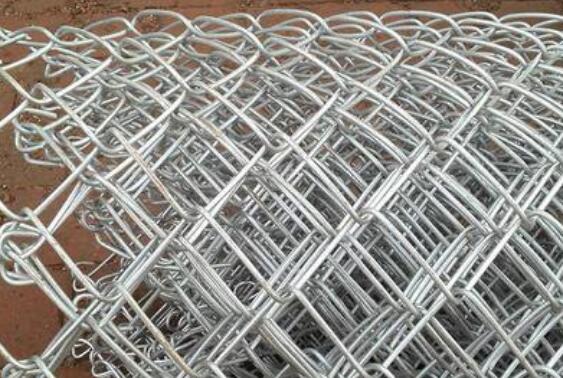
Hot dip galvanized wire constitutes a critical component in numerous industrial and commercial applications, ranging from fencing and cable armoring to construction reinforcement and agricultural implements. Its primary function is to provide a robust, long-lasting barrier against corrosion, significantly extending the service life of steel wire in harsh environments. This guide provides an in-depth technical overview of hot dip galvanized wire, covering material science, manufacturing processes, performance characteristics, potential failure modes, and relevant industry standards. A core pain point for procurement managers is consistent coating thickness and adherence, directly impacting longevity and cost-effectiveness. Furthermore, understanding the metallurgical changes during galvanization and their influence on ductility is paramount to prevent brittle failure. This document aims to address these challenges with detailed technical information for informed decision-making.
Material Science & Manufacturing
The foundation of hot dip galvanizing lies in the metallurgical interaction between molten zinc and the substrate steel. The steel wire typically used is composed of carbon steel, with varying carbon content influencing its weldability and formability. Common grades include SAE 1008, 1018, and higher carbon variants for increased tensile strength. The zinc used must possess a purity of at least 98.5% (typically Special High Grade Zinc – SHG Zinc) to ensure a uniform and adherent coating. The manufacturing process begins with wire drawing to achieve the desired diameter, followed by cleaning to remove oils, scale, and other contaminants. This cleaning process is critical and generally involves alkaline cleaning, rinsing, pickling in hydrochloric or sulfuric acid, rinsing again, and finally a fluxing stage using zinc ammonium chloride or similar compounds. The flux promotes zinc wetting and enhances coating adhesion. The wire is then immersed in a bath of molten zinc (typically maintained between 440°C and 460°C). A metallurgical reaction occurs, forming a series of zinc-iron alloy layers – Gamma, Delta, Zeta, and Eta – with varying zinc and iron content. Controlling the immersion time and zinc bath composition is crucial for achieving the desired coating thickness and alloy layer structure. Cooling is achieved through air drying or quenching, followed by passivation treatments to enhance corrosion resistance.
Performance & Engineering
The performance of hot dip galvanized wire is fundamentally linked to its corrosion protection mechanism. The zinc coating acts as a sacrificial anode, corroding preferentially to the underlying steel. This galvanic protection continues even if the coating is scratched or damaged. The effectiveness of this protection is determined by the coating thickness, uniformity, and the metallurgical structure of the zinc-iron alloy layers. Engineering considerations include tensile strength, elongation, and torsional resistance. Coating thickness directly correlates with corrosion resistance, governed by standards like ASTM A641. Force analysis under load requires consideration of the coating’s impact on ductility – excessive coating thickness can reduce formability. Environmental resistance is impacted by factors like humidity, salinity, and industrial pollutants (sulfur dioxide, chlorides). Compliance requirements vary by region and application, including RoHS (Restriction of Hazardous Substances) directives regarding lead content and REACH (Registration, Evaluation, Authorisation and Restriction of Chemicals) regulations. Furthermore, the hydrogen embrittlement susceptibility of high-strength steel wire during the pickling process must be mitigated through appropriate post-treatment processes, such as baking.
Technical Specifications
| Parameter | Unit | ASTM A641 Specification | Typical Value (Class 3 Galvanizing) |
|---|---|---|---|
| Coating Weight | g/m² | Minimum 130 (Class 1) to 610 (Class D) | 300-340 |
| Coating Thickness (Minimum) | µm | Minimum 4.5 (Class 1) to 145 (Class D) | 80-90 |
| Tensile Strength | MPa | Dependent on Core Wire Grade | 400-600 (dependent on steel grade) |
| Elongation | % | Dependent on Core Wire Grade | 10-25 (dependent on steel grade) |
| Adhesion (Coating to Steel) | N/mm² | Minimum 55 | >70 |
| Zinc Purity | % | Minimum 98.5% (SHG Zinc) | 99.99% |
Failure Mode & Maintenance
Several failure modes can affect hot dip galvanized wire. Uniform corrosion is the expected failure mechanism, where the zinc coating corrodes evenly over time, providing sacrificial protection. However, localized corrosion, such as pitting or crevice corrosion, can accelerate failure, particularly in marine environments or areas with chloride contamination. White rust (zinc corrosion products) can form during storage or transportation if the wire is exposed to moisture and confined spaces. Hydrogen embrittlement, as mentioned previously, can lead to premature failure of high-strength wire. Mechanical damage, including abrasion, impact, and bending, can compromise the coating, exposing the underlying steel. Fatigue cracking can occur under cyclical loading. Maintenance strategies involve regular inspection for signs of corrosion, damage, or white rust. Damaged areas should be promptly repaired with zinc-rich paint or re-galvanization. Proper storage and transportation practices are essential to prevent white rust formation. Periodic cleaning to remove dirt and contaminants can extend service life. For critical applications, consider supplementary corrosion protection measures, such as applying a duplex coating (galvanizing followed by a paint system).
Industry FAQ
Q: What is the difference between Class 1, Class 3, and Class D galvanizing, and how does it impact cost?
A: The classes refer to the minimum coating weight (and therefore thickness) applied. Class 1 offers the least protection and is the most economical, while Class D provides the highest level of protection but is the most expensive. The choice depends on the severity of the environment and the required lifespan of the wire. Increasing the class generally increases zinc consumption and processing time, driving up cost. However, extending the service life often results in a lower life cycle cost.
Q: How does the carbon content of the steel wire affect the galvanizing process?
A: Higher carbon content steels are stronger but less ductile, making them more susceptible to cracking during forming and potentially during the galvanizing process. They also exhibit a greater tendency for hydrogen embrittlement during pickling. Lower carbon steels are easier to galvanize and form but may lack the required tensile strength for certain applications.
Q: What are the implications of RoHS and REACH compliance for galvanized wire?
A: RoHS restricts the use of hazardous substances like lead. Historically, lead was sometimes added to the zinc bath to improve wetting, but this is now largely prohibited. REACH regulations require registration, evaluation, authorization, and restriction of chemical substances, impacting the use of certain fluxing agents and cleaning chemicals.
Q: How can I ensure consistent coating thickness across a large batch of wire?
A: Maintaining consistent coating thickness requires strict control of several parameters, including zinc bath composition, temperature, immersion time, wire speed, and cleaning process effectiveness. Regular monitoring of these parameters and performing periodic coating thickness tests are crucial. Automated process control systems can enhance consistency.
Q: What is the role of passivation treatment after galvanizing?
A: Passivation treatment, typically using chromate conversion coatings or more environmentally friendly alternatives, enhances corrosion resistance by forming a protective layer on the zinc surface. This layer slows down the initial corrosion rate and improves the overall durability of the galvanized coating.
Conclusion
Hot dip galvanizing remains the most cost-effective and reliable method for corrosion protection of steel wire. Understanding the interplay between material science, manufacturing parameters, and environmental factors is critical for achieving optimal performance. Consistent adherence to industry standards like ASTM A641, coupled with rigorous quality control procedures, is essential to ensure the longevity and reliability of galvanized wire in diverse applications.
Future advancements will likely focus on developing more environmentally friendly fluxing and passivation treatments, optimizing process control through automation, and exploring novel zinc alloy coatings with enhanced corrosion resistance. Addressing the challenges of hydrogen embrittlement in high-strength steels will also remain a priority. By embracing these advancements, the hot dip galvanized wire industry can continue to meet the evolving demands of a wide range of sectors.