



Introduction
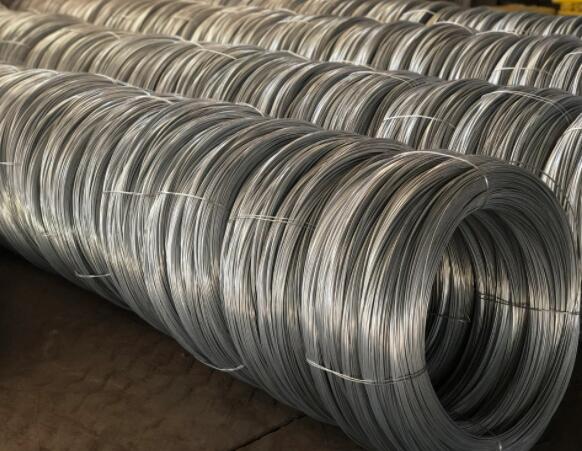
Hot dip galvanized wire is a ferrous material coated with a layer of zinc through a hot-dip galvanization process. It occupies a critical position within the broader infrastructure, construction, and manufacturing supply chains, serving as a key component in fencing, cabling, reinforcement, and various industrial applications. Its primary function is to provide robust corrosion protection to the underlying steel, significantly extending its service life in harsh environments. The performance characteristics, specifically corrosion resistance and tensile strength, are central to its value proposition. This guide provides an in-depth exploration of the material science, manufacturing processes, performance parameters, potential failure modes, and relevant industry standards associated with hot dip galvanized wire.
Material Science & Manufacturing
The base material for hot dip galvanized wire is typically low-carbon steel, selected for its ductility and weldability. Specific grades, such as SAE 1008 or similar, are common. The steel's composition directly influences the galvanizing process and the resulting coating adhesion. Zinc, with a melting point of 419.5 °C (787.1 °F), is the coating material. The purity of the zinc is critical; commercial grades typically contain 98.5% or higher zinc content, with common impurities including lead, cadmium, and iron. These impurities can affect coating ductility and appearance.
The hot-dip galvanization process involves several key stages: surface preparation (cleaning), fluxing, and galvanizing. Cleaning removes oils, grease, dirt, and mill scale through degreasing, pickling (using hydrochloric or sulfuric acid), and rinsing. Fluxing, typically using a zinc ammonium chloride solution, prepares the steel surface for the zinc coating by removing residual oxides and preventing oxidation during the galvanizing process. The galvanizing stage involves immersing the cleaned and fluxed steel wire into a molten zinc bath. A metallurgical reaction occurs, forming a series of zinc-iron alloy layers that provide superior corrosion protection. The wire is then cooled, typically by air or water quenching, and inspected for coating uniformity and defects. Precise control of bath temperature, immersion time, and cooling rate are crucial parameters. Bath composition is continuously monitored and adjusted to maintain desired zinc purity and coating characteristics. Wire diameter significantly impacts the cooling rate and resultant microstructure. Continuous galvanizing lines utilize sophisticated tension control systems to ensure consistent wire straightness and coating adhesion.
Performance & Engineering
The primary performance metric for hot dip galvanized wire is its corrosion resistance. This is governed by several factors: coating thickness, the composition of the zinc-iron alloy layers, and the presence of any defects in the coating. Galvanic protection is the core mechanism; zinc corrodes preferentially to steel, protecting the underlying metal even if the coating is scratched or damaged. The rate of corrosion is influenced by environmental factors such as humidity, salt spray exposure, and industrial pollutants. Engineering considerations include the wire's tensile strength, elongation, and yield strength. These mechanical properties are dependent on both the steel grade and the galvanization process, which can induce stress in the wire. Furthermore, the zinc coating adds weight, which must be considered in applications where weight is a critical factor.
The coating thickness is specified in terms of zinc weight per unit area (e.g., g/m2) or coating thickness (e.g., μm). Compliance requirements, such as those dictated by ASTM A641, specify minimum coating weights based on wire diameter and intended application. Environmental resistance necessitates understanding the effects of chlorides, sulfates, and other corrosive agents on the zinc coating. Elevated temperatures can accelerate corrosion rates. Fatigue performance is also an important consideration, especially in applications involving cyclic loading. The zinc coating can affect fatigue life, potentially reducing it due to stress concentrations at coating imperfections.
Technical Specifications
| Parameter | Unit | Typical Value | Test Method |
|---|---|---|---|
| Zinc Coating Weight | g/m2 | 150-600 | ASTM A641 |
| Minimum Coating Thickness | μm | 12-85 | ASTM A641 |
| Tensile Strength | MPa | 400-550 | ASTM A641 |
| Elongation | % | 12-20 | ASTM A641 |
| Yield Strength | MPa | 250-400 | ASTM A641 |
| Hydrogen Embrittlement | ppm | < 5 | ASTM A641 |
Failure Mode & Maintenance
Common failure modes for hot dip galvanized wire include uniform corrosion, pitting corrosion, and white rust (zinc oxide corrosion). Uniform corrosion occurs over the entire exposed surface, gradually reducing the coating thickness. Pitting corrosion is localized and more aggressive, often initiated by defects or impurities in the coating. White rust forms when the galvanized surface is exposed to moisture and contains chlorides or other corrosive agents. Another failure mechanism is coating delamination, where the zinc coating separates from the steel substrate, usually due to poor surface preparation or insufficient adhesion. Mechanical damage, such as abrasion or impact, can also compromise the coating and accelerate corrosion. Hydrogen embrittlement, a consequence of the pickling process, can reduce ductility and promote cracking, particularly in high-strength steels.
Maintenance strategies focus on preventing or mitigating corrosion. Periodic inspection is crucial to identify areas of coating damage or corrosion. Damaged areas can be repaired using zinc-rich paints or by localized re-galvanization. Cleaning the wire to remove dirt, salt, and other contaminants helps to reduce corrosion rates. Applying protective coatings, such as clear organic coatings, can provide an additional barrier against the environment. In severely corrosive environments, cathodic protection systems can be employed to further reduce corrosion. Regular assessment of the surrounding environment and modification of exposure conditions when possible (e.g., reducing humidity, minimizing salt spray) will extend the lifespan of the wire.
Industry FAQ
Q: What is the impact of silicon content in the steel substrate on the galvanized coating?
A: Higher silicon content in the steel substrate can lead to thicker and harder zinc-iron alloy layers during galvanization, potentially improving corrosion resistance. However, excessive silicon can also increase the risk of localized coating defects and reduced coating ductility.
Q: How does the cooling rate after galvanization affect the coating microstructure?
A: Faster cooling rates generally result in a finer grain structure in the zinc-iron alloy layers, which can improve coating adhesion and ductility. Slower cooling rates can lead to a coarser grain structure and potentially increased brittleness.
Q: What are the key considerations when specifying galvanized wire for marine applications?
A: For marine applications, higher coating weights are essential due to the highly corrosive salt water environment. Also, consider using wire with low levels of impurities that promote pitting corrosion, and ensure proper surface preparation to maximize coating adhesion.
Q: Can hot-dip galvanized wire be powder coated? What pre-treatment is required?
A: Yes, hot-dip galvanized wire can be powder coated, but proper surface preparation is crucial. The galvanized surface must be thoroughly cleaned and lightly roughened to ensure good adhesion of the powder coating. A zinc phosphate conversion coating is often applied as an intermediate layer to enhance adhesion and corrosion protection.
Q: What are the implications of exceeding the allowable hydrogen content specified in ASTM A641?
A: Exceeding the hydrogen content limit can lead to hydrogen embrittlement, causing the wire to become brittle and susceptible to cracking, particularly under tensile stress. This can result in premature failure, especially in applications involving bending or forming.
Conclusion
Hot dip galvanized wire remains a cornerstone material in numerous industries due to its cost-effective corrosion protection and robust mechanical properties. The galvanization process, rooted in metallurgical principles, demands meticulous control of material composition, surface preparation, and process parameters to achieve optimal coating performance. Understanding the potential failure modes—ranging from uniform corrosion to hydrogen embrittlement—is paramount for ensuring long-term durability and reliability.
Ongoing advancements in zinc alloy development and surface treatment technologies continue to refine the characteristics of galvanized wire, extending its application range and enhancing its performance in increasingly demanding environments. Future research focused on reducing the environmental impact of the galvanization process and improving coating uniformity will further solidify its position as a vital material in infrastructure and industrial applications.