



Introduction
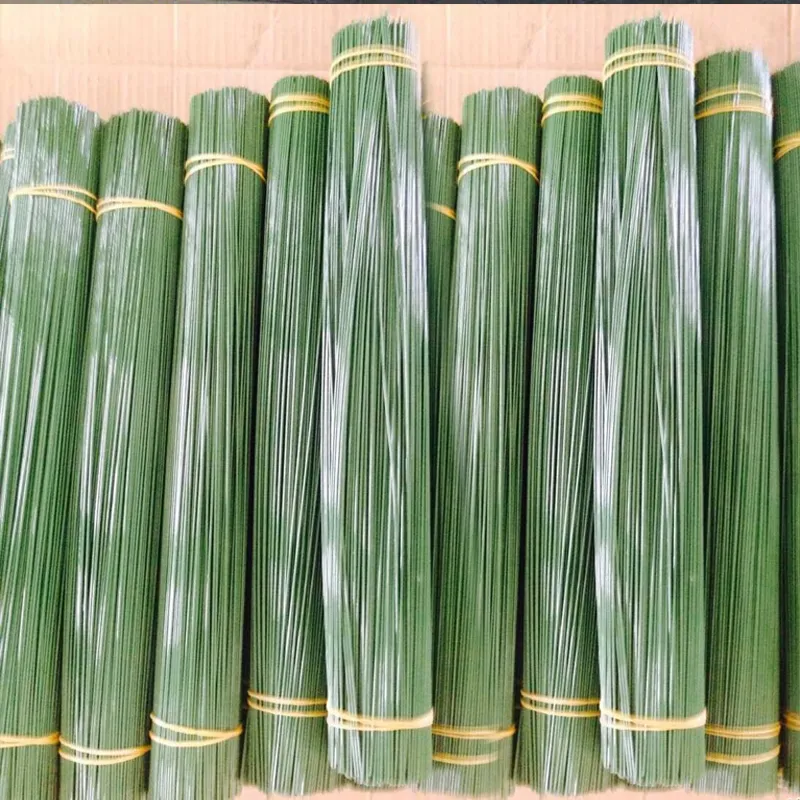
Hot dip galvanized (GI) wire is a ferrous material coated with a layer of zinc through a hot-dip process. This wire is a critical component in a wide array of applications, including power transmission, fencing, telecommunications, and construction, primarily due to its superior corrosion resistance. Within the broader metallic wire industry, hot dip GI wire occupies a significant position, bridging the cost-effectiveness of carbon steel with the longevity afforded by zinc protection. Core performance characteristics center around tensile strength, zinc coating thickness (and resultant corrosion protection level), and formability. A major industry pain point involves achieving consistent coating uniformity across varying wire diameters and lengths, directly impacting the product's service life and overall reliability. Furthermore, stringent industry regulations necessitate precise control over the manufacturing process to meet specific performance standards.
Material Science & Manufacturing
The base material for hot dip GI wire is typically low-carbon steel wire, selected for its ductility and weldability. Its primary constituents are iron, with varying amounts of manganese, silicon, and phosphorus influencing its mechanical properties. The zinc used for coating is usually of 99.995% purity (Special High Grade Zinc - SHG Zinc) to minimize impurities that could affect the coating adhesion and corrosion resistance. The manufacturing process begins with wire drawing, reducing the steel billet diameter to the desired wire gauge. This process introduces work hardening, which necessitates annealing to restore ductility.
The core of the process is the hot-dip galvanizing. The annealed wire is thoroughly cleaned to remove mill scale, rust, and oil – typically utilizing acid pickling followed by fluxing. The wire is then immersed in a bath of molten zinc (maintained at approximately 450-460°C) for a controlled duration. The zinc metallurgically bonds with the steel surface, forming a series of zinc-iron alloy layers, followed by a layer of pure zinc. Critical parameters during galvanizing include bath temperature, immersion time, and cooling rate. Controlling these parameters is crucial to achieving uniform coating thickness and minimizing defects like spangling, dross adhesion, and bare spots. Post-galvanizing, the wire undergoes cooling, passivation (often with chromate conversion coatings, though increasingly replaced by alternatives due to environmental concerns), and spooling for shipment. Quality control at each stage is vital, including regular analysis of zinc bath composition, coating weight measurements, and mechanical testing.
Performance & Engineering
The primary performance metric of hot dip GI wire is its corrosion resistance, directly correlated to the zinc coating thickness. Zinc provides sacrificial protection: it corrodes preferentially to the steel, preventing rust formation. Engineering analyses involve assessing the long-term corrosion rates under various environmental conditions (humidity, salinity, pollution levels). The coating thickness is governed by standards (detailed in the conclusion), and impacts the wire's lifespan. Furthermore, the mechanical properties of the wire – tensile strength, yield strength, elongation – are crucial for its intended application. These properties are influenced by the steel grade and the annealing process.
Force analysis is critical in applications like overhead transmission lines, where the wire must withstand its own weight, wind loads, and ice accumulation. Finite element analysis (FEA) is often employed to simulate these conditions and optimize wire diameter and construction (e.g., strand configurations in cables). Environmental resistance extends beyond corrosion; the wire must also withstand temperature fluctuations and UV exposure. Formability is also a significant consideration, especially in applications requiring bending or shaping. The ductility of both the steel core and the zinc coating impacts the wire's ability to be formed without cracking or spalling. Compliance requirements include RoHS (Restriction of Hazardous Substances) and REACH (Registration, Evaluation, Authorisation and Restriction of Chemicals) regulations, influencing the use of chromate conversion coatings and other potentially harmful substances.
Technical Specifications
| Parameter | Unit | Typical Value (Low Carbon Steel Core) | Standard Reference |
|---|---|---|---|
| Tensile Strength | MPa | 370-550 | ASTM A691 |
| Zinc Coating Weight | g/m² | 60-300 (depending on wire diameter & application) | IEC 60344 |
| Zinc Coating Thickness | µm | 8-150 (depending on wire diameter & application) | ISO 9001 |
| Diameter | mm | 2.0 – 6.0 | Various (application specific) |
| Elongation | % | 15-25 | ASTM A691 |
| Hydrogen Embrittlement | ppm | ≤ 1.5 | ASTM A789 |
Failure Mode & Maintenance
Common failure modes in hot dip GI wire include uniform corrosion (gradual zinc depletion), localized corrosion (pitting, crevice corrosion, galvanic corrosion due to contact with dissimilar metals), and mechanical failure (fatigue cracking due to cyclic loading, tensile overload). White rust (zinc corrosion product) can appear in humid environments, accelerating corrosion. Hydrogen embrittlement, arising from the acid pickling process, can lead to delayed cracking under stress. Delamination of the zinc coating can occur due to inadequate surface preparation or excessive cooling rates. Oxidation of the zinc coating can also occur over extended periods of exposure, although it forms a protective layer.
Maintenance typically focuses on preventative measures, such as applying protective coatings (e.g., paints, sealants) to enhance corrosion resistance, and regular inspection for signs of corrosion or damage. For applications involving significant mechanical stress, periodic load testing is recommended. Repairing damaged coatings is crucial to prevent localized corrosion. In cases of severe corrosion, replacement of the wire is necessary. Avoiding contact between GI wire and dissimilar metals (e.g., copper, aluminum) in wet environments minimizes galvanic corrosion. Proper storage of GI wire, protecting it from moisture and corrosive substances, also extends its service life. Routine cleaning to remove dirt, salt, and other contaminants helps to maintain the coating's integrity.
Industry FAQ
Q: What is the impact of wire diameter on the required zinc coating thickness?
A: Larger diameter wires generally require thicker zinc coatings to achieve the same level of corrosion protection. This is because the ratio of surface area to volume decreases with increasing diameter, meaning that a thicker coating is needed to provide adequate sacrificial protection to the entire steel core. Standards like IEC 60344 specify minimum coating thicknesses based on wire diameter.
Q: How does the steel grade affect the performance of hot dip GI wire?
A: The steel grade significantly impacts the mechanical properties – tensile strength, yield strength, and ductility – of the wire. Low-carbon steel is commonly used for its formability, but higher-strength steels can be employed for applications requiring greater load-bearing capacity. The steel's composition also affects its susceptibility to hydrogen embrittlement during the pickling process.
Q: What are the alternatives to chromate conversion coatings for passivation?
A: Due to environmental concerns regarding hexavalent chromium, alternatives like trivalent chromium conversion coatings, phosphate coatings, and organic polymer coatings are increasingly being used. These alternatives offer varying degrees of corrosion protection and must be carefully evaluated based on the specific application requirements and regulatory compliance.
Q: How is the uniformity of the zinc coating assessed and controlled?
A: Coating uniformity is assessed using non-destructive testing methods like magnetic induction thickness testing and eddy current testing. Statistical process control (SPC) is employed during the galvanizing process to monitor and control key parameters (bath temperature, immersion time, cooling rate) and ensure consistent coating weights. Regular sampling and laboratory testing are also crucial.
Q: What is the significance of hydrogen embrittlement in hot dip GI wire, and how is it mitigated?
A: Hydrogen embrittlement occurs when hydrogen atoms diffuse into the steel during acid pickling, reducing its ductility and increasing its susceptibility to cracking under stress. Mitigation strategies include baking the wire after pickling to drive out the hydrogen, using inhibitors in the pickling solution, and controlling the pickling process parameters to minimize hydrogen absorption.
Conclusion
Hot dip galvanized wire remains a cornerstone material in numerous infrastructure and industrial applications due to its cost-effective corrosion protection. Understanding the intricacies of its material science, manufacturing processes, and performance characteristics is crucial for engineers and procurement professionals alike. Achieving optimal performance requires careful control of process parameters, selection of appropriate steel grades, and adherence to relevant industry standards.
Future developments are likely to focus on enhancing corrosion resistance through improved coating formulations (e.g., zinc-aluminum alloys), developing more environmentally friendly passivation treatments, and implementing advanced monitoring techniques to predict and prevent failures. Continued research into the mechanisms of corrosion and hydrogen embrittlement will also be critical for optimizing the long-term durability and reliability of hot dip GI wire.