



Introduction
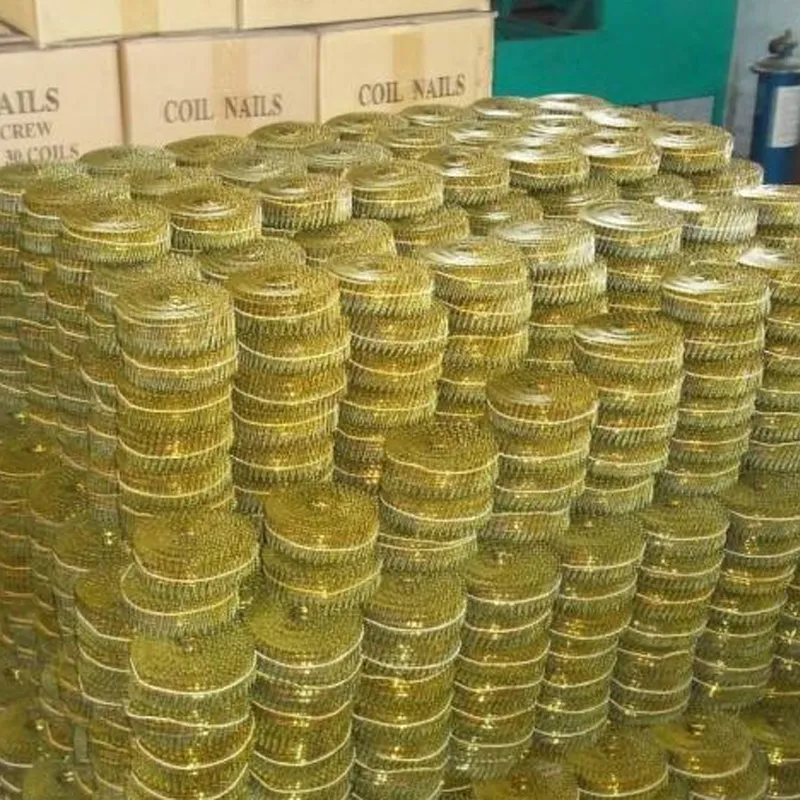
Hot dipped galvanized roofing nails are fasteners employed in securing roofing materials – typically asphalt shingles, wood shakes, and tiles – to underlying roof decking. Their critical function is providing a reliable, long-term mechanical connection resistant to the environmental stresses inherent in roofing applications. These nails differ from standard nails through a galvanization process involving immersion in molten zinc, creating a protective layer that significantly enhances corrosion resistance. Within the construction materials supply chain, they represent a specialized, yet essential, component, bridging the gap between roofing material producers and roofing installation contractors. Core performance attributes center on shear strength, pull-through resistance, and, crucially, longevity in the face of atmospheric corrosion. The industry currently faces challenges related to the rising cost of zinc and ensuring consistent coating thickness for optimal performance.
Material Science & Manufacturing
The primary material for hot dipped roofing nails is typically low-carbon steel wire, specifically SAE 1008 or similar grades, selected for its ductility and weldability. The steel's chemical composition consists predominantly of iron, with controlled levels of carbon (0.08%), manganese, phosphorus, and sulfur. The zinc coating applied through hot-dip galvanization is of crucial importance. The zinc used is typically 98.5% pure zinc, with allowable impurities including lead, cadmium, and iron. Manufacturing begins with wire drawing, reducing the steel wire diameter to the desired nail shank size. This is followed by heading, where the wire is cold-formed into the nail shape – including head formation. The nails then undergo cleaning to remove oils, dirt, and mill scale, crucial for zinc adhesion. The hot-dip galvanization process involves immersing the cleaned nails into a bath of molten zinc maintained at approximately 450°C (842°F). The zinc metallurgically bonds with the steel, forming a series of zinc-iron alloy layers topped with a pure zinc layer. Critical parameters during galvanization include bath temperature, immersion time (typically 2-5 minutes), and zinc bath chemistry (monitored for iron, aluminum, and silicon content). Post-galvanization, the nails are cooled, quenched, and sometimes subjected to a chromate conversion coating to further enhance corrosion resistance. Quality control involves visual inspection for coating uniformity, coating thickness measurements (using magnetic or eddy current methods), and adhesion tests (bend tests or salt spray tests).
Performance & Engineering
The performance of hot dipped roofing nails is governed by several engineering principles. Shear strength, the nail’s resistance to lateral forces, is critical for resisting wind uplift. Pull-through resistance, the nail’s ability to hold the roofing material against the decking, is similarly vital. These properties are directly related to nail diameter, shank length, and the steel’s tensile strength. The zinc coating provides galvanic protection; zinc corrodes preferentially to the steel, even if the coating is scratched or damaged. Environmental resistance considerations include exposure to UV radiation, temperature fluctuations, and corrosive agents like acid rain and saltwater. Accelerated weathering tests (ASTM G154) are used to simulate long-term exposure. The design of the nail head is also important; a broad, flat head provides a larger bearing surface, distributing load and minimizing the risk of roof material damage. Compliance with building codes (e.g., International Building Code - IBC) dictates minimum nail size, spacing, and penetration depth based on wind speed, roof pitch, and roofing material type. Finite element analysis (FEA) is increasingly used to model nail performance under various loading scenarios, optimizing nail geometry and material selection. Fatigue performance is also a crucial factor, as roofing nails are subjected to cyclical loading from wind gusts and thermal expansion/contraction.
Technical Specifications
| Nail Diameter (Gauge) | Nail Length (inches) | Shank Type | Coating Thickness (μm) |
|---|---|---|---|
| 8 | 1.25 | Smooth | 50-70 |
| 8 | 1.50 | Ring Shank | 50-70 |
| 9 | 1.25 | Smooth | 50-70 |
| 9 | 1.50 | Ring Shank | 50-70 |
| 10 | 1.50 | Smooth | 50-70 |
| 10 | 1.75 | Ring Shank | 50-70 |
Failure Mode & Maintenance
Common failure modes for hot dipped roofing nails include corrosion-induced weakening, shank bending, and head detachment. Corrosion typically initiates at scratches or imperfections in the zinc coating, leading to gradual material loss. Hydrogen embrittlement can occur during the galvanization process, potentially reducing ductility and increasing susceptibility to cracking, though modern galvanization practices minimize this. Shear failure occurs when the nail’s shear strength is exceeded, often due to high wind loads. Pull-through failure happens when the nail loses its grip on the roofing material or the decking. Ring shank nails are designed to improve pull-through resistance. Fatigue cracking can develop under cyclical loading, especially in areas of stress concentration (e.g., around the nail head). Maintenance is limited, as nails are typically inaccessible once the roof is installed. However, periodic visual inspections can identify signs of corrosion or loosening. Proactive replacement of severely corroded or loose nails during routine roof maintenance can prevent more significant problems. Preventative measures include ensuring correct nail spacing and penetration depth during installation, and selecting nails with appropriate coating thickness for the local environmental conditions. Regular roof inspections and prompt repair of any damaged roofing materials will also extend the lifespan of the nails.
Industry FAQ
Q: What is the significance of ring shank versus smooth shank nails in roofing applications?
A: Ring shank nails provide significantly improved pull-through resistance compared to smooth shank nails. The rings create a mechanical interlock with the wood fibers of the decking, requiring considerably more force to remove the nail. While smooth shank nails are adequate for some applications, ring shank nails are generally recommended for critical areas prone to uplift forces, such as roof edges and areas with high wind exposure.
Q: How does coating thickness impact the lifespan of hot dipped galvanized nails?
A: Coating thickness is a primary determinant of corrosion resistance and, consequently, lifespan. A thicker zinc coating provides a longer barrier against corrosion. The industry standard typically specifies a minimum coating thickness of 50-70 μm. Nails used in highly corrosive environments (e.g., coastal areas, industrial zones) may require thicker coatings or supplementary corrosion protection.
Q: What is the impact of salt spray testing on evaluating nail quality?
A: Salt spray testing (ASTM B117) is an accelerated corrosion test used to assess the effectiveness of the zinc coating. Nails are exposed to a 5% sodium chloride solution in a controlled environment. The duration of exposure correlates to estimated service life. While not a direct predictor of real-world performance, it provides a comparative measure of corrosion resistance between different nail batches or coating processes.
Q: Are there alternative coating materials to zinc for roofing nails, and what are their advantages and disadvantages?
A: Yes, alternatives include stainless steel and polymer coatings. Stainless steel offers superior corrosion resistance but is significantly more expensive. Polymer coatings can provide good corrosion protection but may be susceptible to UV degradation and abrasion. The cost-effectiveness and proven performance of hot-dip galvanization generally make it the preferred choice for most roofing applications.
Q: What factors influence the choice between different nail gauges (diameters) for a roofing project?
A: Nail gauge selection depends on the roofing material type, roof deck thickness, and wind load requirements. Thicker nails (lower gauge numbers) provide greater holding power and are generally preferred for heavier roofing materials and areas with high wind exposure. Building codes typically specify minimum nail gauge requirements based on these factors.
Conclusion
Hot dipped galvanized roofing nails represent a critical fastening solution in the construction industry, offering a cost-effective and reliable means of securing roofing materials. Their performance is fundamentally linked to the metallurgical properties of the steel core, the quality of the zinc coating applied through hot-dip galvanization, and adherence to established engineering principles. Understanding the potential failure modes – corrosion, shear failure, and pull-through – is paramount for ensuring long-term roof integrity.
Continued advancements in coating technologies and material science are focused on enhancing corrosion resistance and extending service life. Future developments may include exploring alternative zinc alloys or incorporating nanotechnology to improve coating adhesion and barrier properties. Rigorous quality control, adherence to relevant standards, and proper installation practices remain essential for maximizing the performance and longevity of hot dipped roofing nails.