



Introduction
Iron nails, seemingly simple fasteners, represent a foundational element in construction, woodworking, and a multitude of industrial applications. Their technical position within the broader metal products chain is as a primary formed product, derived from raw steel stock. This guide provides a comprehensive overview of iron nail manufacturing, encompassing material science, production methodologies, performance characteristics, failure analysis, and relevant industry standards. Core performance aspects center on tensile strength, shear strength, ductility, corrosion resistance, and adherence to dimensional tolerances dictated by application-specific requirements. The persistent challenges in the industry revolve around maintaining consistent material quality, optimizing manufacturing efficiency to control costs, and mitigating corrosion issues in diverse environmental conditions. Furthermore, the demand for specialized nail types – coated, ring-shanked, screw-shanked – necessitates a deep understanding of material compatibility and manufacturing process control.
Material Science & Manufacturing
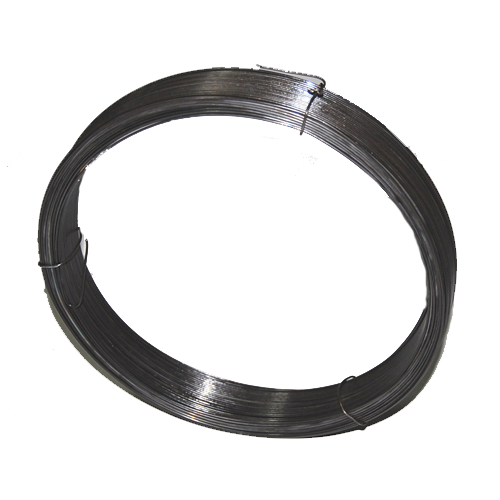
The primary raw material for iron nail production is carbon steel, typically low or medium carbon steel (0.05% - 0.25% C). The selection of steel grade directly impacts the nail's mechanical properties. Higher carbon content increases hardness and tensile strength but reduces ductility and weldability. Common steel grades used include SAE 1008, 1010, and 1018. Manufacturing begins with the drawing of steel wire from steel rod. Wire drawing is a cold working process that reduces the wire diameter through a series of dies, increasing tensile strength and hardness. Key parameters to control include die angle, lubrication, and drawing speed. Following wire drawing, the wire undergoes a heading process, where the end is deformed to create the nail head. This is typically performed on high-speed nail forming machines. Point grinding or cutting follows, shaping the nail point for efficient penetration. Surface treatments, such as galvanization (zinc coating) or coating with epoxy or polymers, are often applied to enhance corrosion resistance. Galvanization involves immersing the nails in molten zinc, creating a protective layer. The thickness of the zinc coating is a critical parameter, typically measured in microns, dictating the level of corrosion protection. Quality control throughout the process includes monitoring wire diameter, head dimensions, point geometry, and coating thickness.
Performance & Engineering
The performance of an iron nail is fundamentally determined by its ability to withstand tensile, shear, and bending forces without failure. Force analysis involves calculating the stress concentration at the nail head and point, as well as the shear stress along the nail shank. The nail's shank diameter and length are key engineering parameters impacting its load-bearing capacity. Environmental resistance is paramount, particularly in outdoor applications. Corrosion is a primary concern, with factors such as humidity, salt spray, and exposure to chemicals accelerating degradation. Galvanization provides a sacrificial barrier, corroding preferentially to protect the underlying steel. Coating selection must be compatible with the intended environment; epoxy coatings offer enhanced chemical resistance, while polymer coatings provide UV protection. Compliance requirements vary depending on the application and region. For example, nails used in structural applications must meet the requirements of building codes, which specify minimum tensile strength, shear strength, and ductility. Nails used in food packaging applications must adhere to regulations regarding material composition and coating safety. Fatigue performance is also critical in applications subject to cyclical loading, such as timber framing. Fatigue failure initiates from stress concentrations, typically at the nail head or point, and propagates through crack growth under repeated stress.
Technical Specifications
| Nail Diameter (mm) | Nail Length (mm) | Tensile Strength (MPa) | Shear Strength (MPa) |
|---|---|---|---|
| 2.5 | 50 | 600 | 350 |
| 3.0 | 65 | 700 | 400 |
| 3.5 | 80 | 800 | 450 |
| 4.0 | 90 | 900 | 500 |
| 4.5 | 100 | 1000 | 550 |
| 5.0 | 120 | 1100 | 600 |
Failure Mode & Maintenance
Iron nails are susceptible to several failure modes. Fatigue cracking, as mentioned previously, is common in applications with cyclical loading. Corrosion is a prevalent cause of failure, especially in exposed environments. Rust weakens the nail, reducing its cross-sectional area and diminishing its load-bearing capacity. Hydrogen embrittlement, induced by the corrosion process, can also contribute to brittle fracture. Shear failure occurs when the shear stress exceeds the material’s shear strength, often at the point of penetration. Bending failure occurs when the nail is subjected to excessive bending forces, causing it to deform and ultimately fracture. Delamination of the coating, particularly in galvanized nails, reduces corrosion protection. Maintenance, while limited for installed nails, centers on preventative measures. Applying protective coatings to the surrounding material can reduce corrosion. Regular inspections in critical applications can identify signs of corrosion or fatigue. For nails prone to corrosion, the use of stainless steel or coated nails is recommended. In applications where nails are removed and reused, careful inspection for damage is essential. Avoid excessive bending or hammering during removal, as this can weaken the nail and increase the risk of failure.
Industry FAQ
Q: What is the impact of steel alloy composition on the nail's ductility?
A: Lower carbon content steels exhibit greater ductility. Increasing the manganese content within acceptable limits can also enhance ductility without significantly compromising tensile strength. Alloying elements like silicon can improve strength, but may reduce ductility if not carefully controlled. The balance between strength and ductility is crucial, and is tailored to the intended application.
Q: How does the galvanization process affect the nail's hydrogen embrittlement susceptibility?
A: The galvanization process can introduce hydrogen into the steel, leading to hydrogen embrittlement. This is mitigated through various techniques, including the use of inhibitors in the galvanizing bath and post-treatment processes to drive out the hydrogen. Proper galvanization procedures, including careful control of bath composition and temperature, are essential.
Q: What are the key differences between ring-shanked and screw-shanked nails in terms of holding power?
A: Ring-shanked nails offer enhanced holding power due to the rings creating a mechanical interlock with the wood fibers. Screw-shanked nails provide even greater holding power, as the helical threads grip the wood fibers tightly. Screw-shanked nails are particularly effective in applications subject to vibration or shear forces.
Q: What is the effect of varying zinc coating thickness on corrosion resistance?
A: Corrosion resistance increases with increasing zinc coating thickness, up to a certain point. A thicker coating provides a greater sacrificial barrier, protecting the steel from corrosion for a longer period. However, excessively thick coatings can be brittle and prone to cracking. Standard coating thicknesses are defined by industry standards (e.g., ASTM B695).
Q: How do different head styles (flat, countersunk, round) affect nail performance?
A: Head style primarily influences the distribution of stress and the ease of installation. Flat head nails are commonly used for general construction. Countersunk nails allow for a flush finish, while round head nails provide a more decorative appearance. The head's surface area also affects its resistance to pull-through.
Conclusion
The manufacturing of iron nails, while seemingly straightforward, demands a nuanced understanding of material science, manufacturing processes, and engineering principles. Maintaining consistent material quality, optimizing production parameters, and employing effective corrosion protection strategies are critical for ensuring long-term performance and reliability. The selection of appropriate steel grades, coating types, and nail designs must be tailored to the specific application requirements.
Future advancements in nail technology will likely focus on developing more sustainable materials and manufacturing processes, as well as enhancing corrosion resistance through novel coating technologies. The integration of smart materials and sensors into nails could also enable real-time monitoring of structural integrity. Continued research and development in these areas will contribute to the advancement of safer, more durable, and environmentally friendly fastening solutions.