



Introduction
Iron nails, seemingly simple fasteners, represent a critical component in numerous construction, woodworking, and industrial applications. Their manufacturing process, while appearing straightforward, is deeply rooted in metallurgy, material science, and engineering principles. Historically, nails were hand-forged; however, modern production relies heavily on automated machinery and stringent quality control. This guide provides an in-depth technical overview of iron nail manufacturing, covering material selection, production methodologies, performance characteristics, failure analysis, and relevant industry standards. The core performance of an iron nail is dictated by its shear strength, tensile strength, bend resistance, and corrosion resistance – all properties directly influenced by the raw material composition and manufacturing processes employed. The industry currently faces challenges relating to material cost fluctuations, the demand for increased corrosion resistance (moving towards coated nails), and the need for environmentally sustainable manufacturing practices.
Material Science & Manufacturing
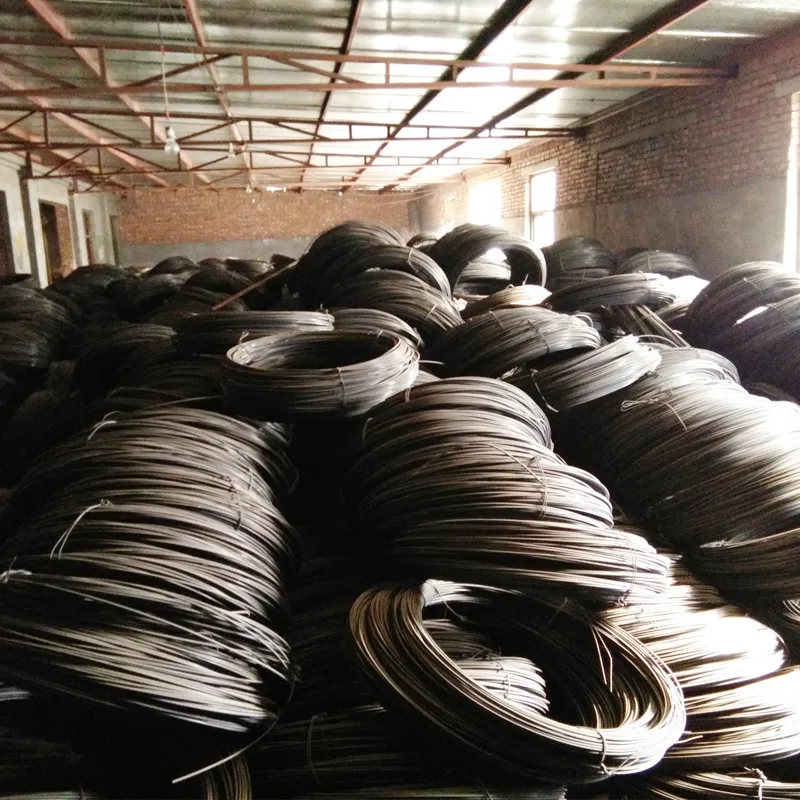
The primary raw material for iron nail manufacturing is typically low-carbon steel, generally ranging from 0.05% to 0.25% carbon content. This carbon range provides a balance between ductility (allowing for forming) and strength. Other alloying elements, such as manganese (0.2-0.5%), silicon (0.05-0.3%), and phosphorus (less than 0.04%), are often present to improve mechanical properties and manufacturability. The steel is initially produced via basic oxygen steelmaking or electric arc furnace processes. Wire rod, with a diameter appropriate for the desired nail gauge, is then produced through continuous casting and rolling. The manufacturing process broadly comprises three main stages: heading, pointing, and finishing. Heading involves forming the nail head by impacting the wire rod between dies. This process is critical in establishing the head's shape and size, and requires precise control of impact force and die geometry to avoid cracking or deformation. Pointing involves reducing the wire diameter to create the nail point. This can be achieved through a die-and-plug method or a swaging process. Critical parameters include die angle and reduction ratio. Finishing includes processes such as cleaning (to remove scale and oil), coating (for corrosion resistance – zinc coating is common, utilizing processes like hot-dip galvanization or electroplating), and potentially surface hardening (through processes like nitriding or carburizing, although less common for standard iron nails). Quality control throughout the process relies on regular checks of wire diameter, head dimensions, point geometry, and surface finish. Metallurgical analysis, including grain size determination and hardness testing, is also performed to ensure consistency and adherence to specifications.
Performance & Engineering
The performance of an iron nail is primarily governed by its mechanical properties and its resistance to environmental degradation. Shear strength, the ability to resist forces acting parallel to the nail shank, is critical in load-bearing applications. Tensile strength, representing the resistance to pulling forces, determines the nail’s ability to withstand tension. Bend resistance, or ductility, is essential to prevent brittle fracture during installation. Finite Element Analysis (FEA) is increasingly used to model nail behavior under various loading conditions, optimizing head geometry and shank diameter for specific applications. Corrosion resistance is a major engineering concern. Iron is susceptible to oxidation, leading to rust and eventual failure. Zinc coatings provide sacrificial protection, corroding preferentially to the iron substrate. The thickness of the zinc coating directly correlates to the level of protection. Environmental resistance also includes resistance to temperature fluctuations. Nails can lose strength and become brittle at extremely low temperatures, and may experience thermal expansion/contraction leading to loosening in joints. Compliance requirements depend on the intended application. Construction nails, for example, are often subject to building codes that specify minimum dimensions, strength requirements, and coating standards. Furthermore, the nail's performance is affected by the wood it’s driven into; wood density and moisture content play significant roles in holding power. Withdrawal force, the force required to remove the nail, is a key performance metric often tested according to ASTM standards.
Technical Specifications
| Nail Diameter (Gauge) | Nail Length (mm) | Head Diameter (mm) | Shear Strength (MPa) |
|---|---|---|---|
| 2.3 (8d) | 50 | 6.5 | 350 |
| 2.9 (10d) | 75 | 8.0 | 400 |
| 3.3 (12d) | 90 | 9.5 | 450 |
| 3.8 (16d) | 120 | 11.0 | 500 |
| 4.5 (20d) | 150 | 13.0 | 550 |
| 5.5 (30d) | 180 | 15.0 | 600 |
Failure Mode & Maintenance
Iron nails are susceptible to several failure modes. Fatigue cracking can occur under cyclic loading, particularly in applications subject to vibrations or repeated stress. This often initiates at the nail head or point, where stress concentrations are highest. Shear failure occurs when the shear stress exceeds the material’s shear strength, causing the nail to break cleanly. Tensile failure results from excessive pulling force, leading to fracture along the nail shank. Corrosion is a significant contributor to failure, weakening the nail and reducing its load-bearing capacity. Hydrogen embrittlement, a phenomenon where hydrogen atoms diffuse into the steel lattice, can also contribute to brittle fracture, especially in coated nails exposed to corrosive environments. Delamination of the zinc coating reduces corrosion protection and accelerates rusting. Maintenance of iron nail installations is limited, as the nails are typically concealed within the structure. However, periodic inspection for signs of corrosion, particularly in exposed areas, is recommended. Applying a protective coating (paint or sealant) to the surrounding wood can help to reduce moisture ingress and slow down corrosion. In severely corroded areas, replacement of the nails may be necessary to maintain structural integrity. Preventive measures during installation, such as avoiding overdriving the nails and using appropriate nail gauge for the application, can significantly extend their service life.
Industry FAQ
Q: What is the impact of varying carbon content on nail strength and ductility?
A: Increasing carbon content generally increases strength and hardness but reduces ductility. Higher carbon nails are more prone to brittle fracture. Low-carbon steel (0.05-0.25%) is preferred for nails to provide a balance between strength and the ability to bend without breaking during installation.
Q: How does the galvanization process affect the long-term performance of iron nails?
A: Galvanization provides sacrificial protection against corrosion. The zinc coating corrodes first, protecting the underlying iron. The thickness of the zinc layer directly impacts the duration of protection. However, over time, the zinc coating will be consumed, and the nail will eventually corrode.
Q: What are the key considerations when selecting a nail gauge for a specific application?
A: Nail gauge selection depends on the wood species, the load-bearing requirements, and the type of joint being created. Softer woods require larger gauge nails for adequate holding power. Heavier loads necessitate thicker nails to prevent shear failure. Joint configuration influences the required shear and tensile strength.
Q: What quality control tests are typically performed during iron nail manufacturing?
A: Common quality control tests include wire diameter measurement, head dimension checks, point geometry verification, hardness testing (to assess material properties), coating thickness measurement (for galvanized nails), and shear strength testing (to confirm load-bearing capacity). Periodic metallurgical analysis is also conducted.
Q: How does the moisture content of wood affect the holding power of iron nails?
A: Higher moisture content in wood reduces its strength and increases its susceptibility to shrinkage. This can lead to loosening of the nail over time. Properly seasoned or dried wood is essential for maximizing nail holding power. Wood preservatives can also help to minimize moisture absorption and prevent decay.
Conclusion
Iron nail manufacturing is a multifaceted process reliant on careful material selection, precise process control, and adherence to stringent quality standards. The performance of an iron nail is dictated by a complex interplay of mechanical properties, corrosion resistance, and environmental factors. Understanding these factors is crucial for selecting the appropriate nail for a given application and ensuring long-term structural integrity.
The industry is continually evolving, with ongoing research focused on developing more durable, corrosion-resistant, and environmentally sustainable nails. Innovations in coating technologies, alloy compositions, and manufacturing processes are driving these advancements, addressing the challenges posed by material cost fluctuations and the demand for enhanced performance in increasingly demanding applications.