



Introduction
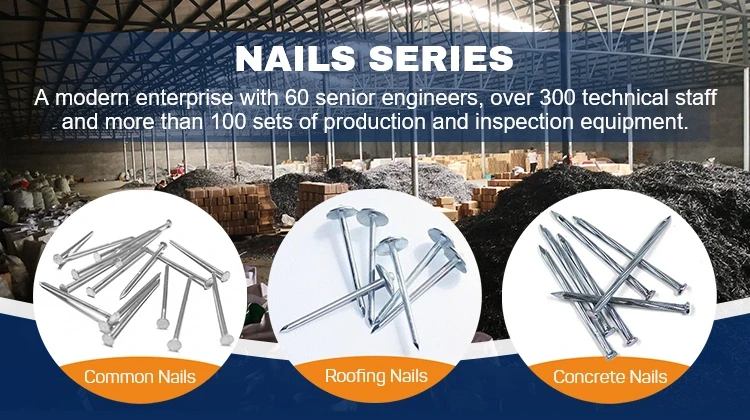
Iron nails, fundamental fasteners throughout history, are categorized primarily by gauge (diameter) and length. Their technical position within the construction and woodworking supply chain is as a direct fastening component, utilized in applications ranging from framing and roofing to finish carpentry. Nail size selection is critical, impacting joint strength, material splitting, and overall structural integrity. Core performance characteristics include shear strength, tensile strength, bending resistance, and corrosion resistance, dictated by material composition and surface treatment. The industry faces persistent challenges related to consistent material quality, optimizing nail geometry for specific wood types, and the rising demand for corrosion-resistant options to mitigate long-term structural degradation. Understanding these nuances is paramount for ensuring durable and reliable construction.
Material Science & Manufacturing
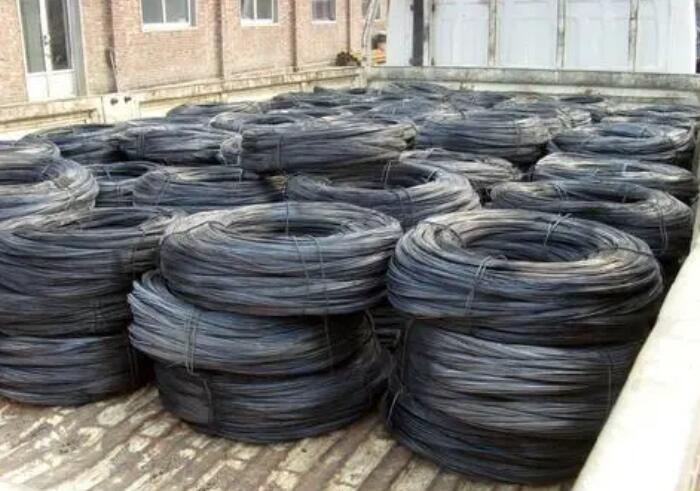
The primary raw material for iron nails is low-carbon steel, typically containing between 0.05% and 0.25% carbon. This composition offers a balance between ductility and strength. Additives such as manganese (0.30-0.90%) are incorporated to enhance hardenability and tensile strength, while silicon (0.10-0.30%) improves oxidation resistance. The manufacturing process generally begins with wire drawing, reducing the diameter of steel rods to the desired gauge. This process induces work hardening, increasing the steel’s yield strength. Following wire drawing, the wire is fed into nail-making machines. These machines employ a series of dies and punches to form the nail head and point. Point geometry—sharp, blunted, or diamond—is controlled through die design, influencing penetration characteristics and the potential for wood splitting. Heat treatment, including annealing or tempering, is often applied to adjust hardness and ductility. Annealing reduces brittleness, increasing formability, while tempering enhances toughness. Surface treatments, such as galvanization (zinc coating) or electroplating, provide corrosion protection. Galvanization involves immersing the nails in molten zinc, creating a metallurgical bond. Electroplating uses an electric current to deposit a thin layer of metal (e.g., copper, nickel) onto the nail surface. Precise control of wire gauge, die alignment, and heat treatment temperatures are crucial for ensuring consistent nail dimensions and mechanical properties. Variations in these parameters can lead to inconsistencies in shear strength and increased susceptibility to bending or breakage.
Performance & Engineering
Nail performance is fundamentally governed by force analysis – specifically, shear force and tensile force. Shear force, acting parallel to the nail shank, is the primary stress experienced in most framing applications. Tensile force, acting perpendicular to the shank, becomes significant in applications involving pull-out resistance. Nail size directly influences these capabilities. Larger gauge nails exhibit higher shear and tensile strengths. Bending resistance is critical to prevent nail deformation under load. Nail material ductility and shank geometry contribute significantly to bending resistance. Environmental resistance, specifically corrosion, is a major engineering consideration. Exposure to moisture, salts, and other corrosive agents can lead to rust formation, weakening the nail and compromising joint integrity. Galvanization and other coatings are implemented to mitigate this. Compliance requirements are dictated by building codes and industry standards. For example, the International Building Code (IBC) specifies nail size and spacing requirements for various structural applications. Furthermore, nail penetration depth, relative to wood thickness, is a critical parameter. Insufficient penetration reduces holding power, while excessive penetration can lead to splitting. Finite element analysis (FEA) is increasingly used to optimize nail geometry and predict performance under complex loading conditions. This analysis considers material properties, geometric parameters, and applied forces to identify potential failure points and refine nail designs.
Technical Specifications
| Nail Gauge (Diameter - inches) | Nail Gauge (Diameter - mm) | Length (inches) | Length (mm) |
|---|---|---|---|
| 6d | 3.37 | 2.5 | 63.5 |
| 8d | 4.03 | 3.125 | 79.4 |
| 10d | 4.75 | 3.5 | 88.9 |
| 12d | 5.46 | 3.75 | 95.3 |
| 16d | 6.35 | 3.5 | 88.9 |
| 20d | 7.37 | 4.0 | 101.6 |
Failure Mode & Maintenance
Common failure modes for iron nails include shear failure, tensile failure, bending failure, and corrosion-induced failure. Shear failure occurs when the nail exceeds its shear strength, typically resulting in a clean break across the shank. Tensile failure involves the nail pulling out of the wood, often due to insufficient penetration or wood degradation. Bending failure manifests as permanent deformation of the nail shank under excessive load. Corrosion, particularly in untreated nails, leads to weakening of the metal and eventual fracture. Fatigue cracking can occur in nails subjected to repeated cyclic loading, initiating at stress concentration points (e.g., nail head or point). Delamination of the galvanized coating, due to poor adhesion or physical damage, accelerates corrosion. Maintenance strategies are primarily preventative. Utilizing appropriately sized and coated nails for the intended application is crucial. Proper nail driving technique, avoiding bending or damaging the nail, minimizes stress concentration points. Periodic inspection of nail connections, particularly in exposed environments, can identify signs of corrosion or fatigue. For heavily corroded nails, replacement is recommended. Application of protective coatings to exposed nail heads can further extend service life. For critical structural applications, employing stainless steel nails or specialized corrosion-resistant alloys provides a superior long-term solution.
Industry FAQ
Q: What is the impact of wood density on nail holding power?
A: Wood density directly influences nail holding power. Denser hardwoods require larger gauge nails to achieve equivalent shear and tensile strength compared to softer woods. The wood fibers provide greater resistance to nail withdrawal in denser materials, but also present a higher risk of splitting if the nail is too large. Selecting the appropriate nail size and type for the specific wood species is crucial.
Q: How does the galvanization process affect nail ductility?
A: The galvanization process can slightly reduce nail ductility, particularly with thicker zinc coatings. This is due to the formation of brittle intermetallic compounds at the steel-zinc interface. However, modern galvanization techniques, including proper surface preparation and controlled cooling rates, minimize this effect. The benefits of corrosion protection generally outweigh the minor reduction in ductility.
Q: What is the difference between bright nails and galvanized nails in terms of corrosion resistance?
A: Bright nails, which have no surface coating, offer minimal corrosion resistance and are suitable only for interior, dry applications. Galvanized nails, with their zinc coating, provide significant protection against rust and corrosion, making them ideal for exterior or humid environments. The zinc acts as a sacrificial anode, corroding preferentially to the steel.
Q: What considerations are important when selecting nails for pressure-treated lumber?
A: Pressure-treated lumber contains chemicals that are highly corrosive to many metals. Therefore, only fasteners specifically approved for use with pressure-treated lumber should be used. These fasteners are typically made of stainless steel, silicon bronze, or are coated with a specialized corrosion-resistant coating designed to withstand the chemical environment.
Q: How do different nail point types (sharp, blunt, diamond) influence performance?
A: Sharp points offer easier initial penetration but can cause splitting in brittle woods. Blunt points require more force to drive but reduce splitting. Diamond points provide a balance between penetration and splitting resistance, making them versatile for a variety of wood types. The optimal point type depends on the wood species and application.
Conclusion
Iron nail sizing is a deceptively complex engineering discipline, rooted in material science, mechanical properties, and environmental considerations. Selecting the correct nail gauge and length is not merely a matter of convenience; it’s a critical factor in ensuring the long-term structural integrity and safety of any construction project. The consistent demands for increased durability, corrosion resistance, and adherence to stringent building codes drive continuous innovation in nail manufacturing and materials science.
Future developments will likely focus on advanced coating technologies, such as organic coatings with enhanced barrier properties, and the development of new alloy compositions offering superior strength-to-weight ratios and corrosion resistance. Furthermore, the integration of smart fasteners, incorporating sensors to monitor stress levels and detect corrosion, could revolutionize structural health monitoring and preventative maintenance practices. A comprehensive understanding of the technical principles governing nail performance remains essential for engineers, architects, and construction professionals alike.