



Introduction
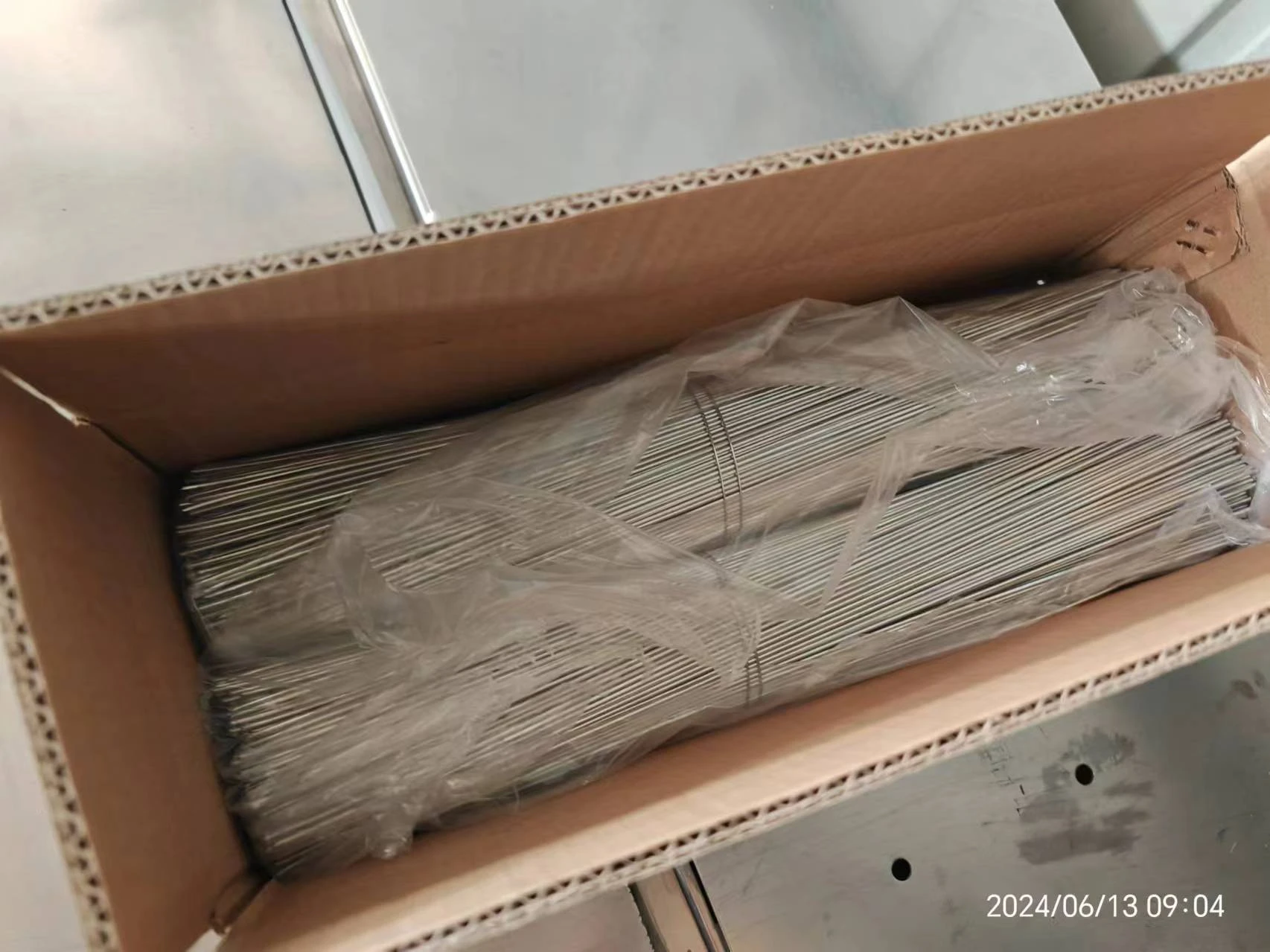
Iron nail wire, typically low carbon steel wire, constitutes a critical, yet often overlooked, component in the construction, packaging, and various industrial fastening applications. While superficially simple, its price and performance are dictated by a complex interplay of raw material costs, manufacturing processes, tensile strength requirements, and coating specifications. This technical guide provides an in-depth examination of iron nail wire, analyzing its material composition, production methodologies, performance characteristics, potential failure modes, and relevant industry standards. Understanding these factors is essential for procurement managers, engineers, and manufacturers seeking to optimize cost, ensure quality, and mitigate risk within their supply chains. The price of iron nail wire is not merely a commodity cost; it’s an indicator of broader steel market trends and a reflection of the wire's ability to meet stringent performance criteria. Its primary function, securing materials through mechanical fastening, necessitates careful consideration of its mechanical properties and long-term durability.
Material Science & Manufacturing
The fundamental material for iron nail wire is low carbon steel, typically containing 0.05% to 0.25% carbon. This carbon content provides a balance between ductility (for forming the wire) and strength (for holding power). Other alloying elements, such as manganese (0.20-0.90%), silicon (0.05-0.30%), and phosphorus (less than 0.04%), are present in controlled quantities to influence mechanical properties and weldability. Raw material selection heavily influences the final wire price. The manufacturing process typically begins with hot rolling of steel billets into wire rod. This rod is then subjected to pickling (acid cleaning to remove surface oxides), followed by drawing through a series of progressively smaller dies to achieve the desired wire diameter. Drawing introduces work hardening, increasing tensile strength but reducing ductility. Intermediate annealing steps are crucial to restore ductility and prevent breakage during further drawing. Surface treatments, such as galvanization (zinc coating) or polymer coating, are applied to enhance corrosion resistance and improve aesthetic appeal. Galvanization involves immersing the wire in molten zinc, creating a protective layer. The thickness of the zinc coating, measured in grams per square meter (g/m²), directly impacts corrosion protection and contributes to the overall cost. Precise control of drawing speed, die lubrication, and annealing temperature are vital parameters for producing high-quality wire with consistent mechanical properties. Quality control throughout the manufacturing process, including tensile testing, diameter measurements, and coating thickness inspections, is essential.
Performance & Engineering
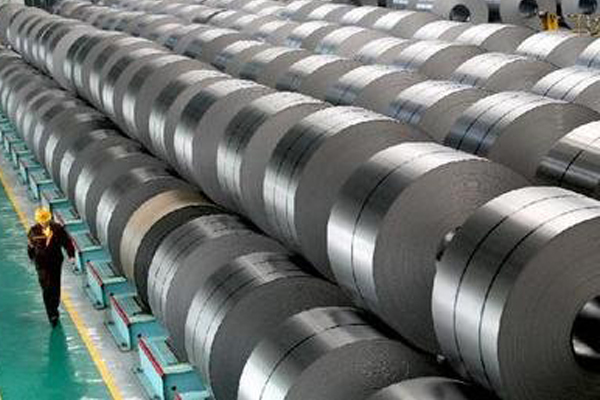
The primary performance characteristic of iron nail wire is its tensile strength, typically ranging from 350 MPa to 800 MPa, depending on the carbon content, drawing process, and any subsequent heat treatment. Tensile strength dictates the load-bearing capacity of the wire and its resistance to breakage under tension. Yield strength, the point at which the wire begins to deform permanently, is also a critical parameter. Ductility, measured by elongation at break, indicates the wire's ability to withstand deformation before fracture. Corrosion resistance, particularly in outdoor applications, is paramount. Galvanized coatings provide sacrificial protection, corroding preferentially to the steel substrate. The effectiveness of the galvanization is determined by the coating thickness and the quality of the zinc layer. Engineering considerations include the wire’s bending fatigue resistance, especially when used in applications involving repeated flexing or forming. The wire's surface finish also impacts its friction coefficient and ease of handling in automated machinery. Compliance with relevant industry standards, such as ASTM A82 (standard specification for steel wire, carbon), is crucial for ensuring product quality and safety. Furthermore, the wire must withstand environmental stressors such as temperature variations, humidity, and exposure to corrosive agents. The selection of appropriate coating materials (e.g., epoxy, polyurethane) can further enhance resistance to specific environmental conditions.
Technical Specifications
| Diameter (mm) | Tensile Strength (MPa) | Zinc Coating Thickness (g/m²) | Elongation at Break (%) |
|---|---|---|---|
| 1.2 | 450 | 60 | 15 |
| 1.6 | 550 | 80 | 12 |
| 2.0 | 650 | 100 | 10 |
| 2.5 | 700 | 120 | 8 |
| 3.0 | 750 | 150 | 6 |
| 4.0 | 800 | 180 | 5 |
Failure Mode & Maintenance
Common failure modes for iron nail wire include tensile overload (resulting in fracture), corrosion-induced weakening (leading to brittle failure), and fatigue cracking (due to repeated bending or stress cycling). Hydrogen embrittlement, a phenomenon where hydrogen atoms diffuse into the steel lattice, can significantly reduce ductility and increase susceptibility to cracking, particularly in high-strength wires exposed to corrosive environments. Galvanic corrosion can occur when the wire is in contact with dissimilar metals in a conductive environment. Preventative maintenance focuses on minimizing exposure to corrosive agents, providing adequate ventilation to reduce humidity, and conducting regular inspections for signs of corrosion or damage. If corrosion is detected, the affected wire should be replaced immediately. Proper storage is crucial; wire should be stored in a dry, sheltered environment to prevent rust formation. Avoiding sharp bends and minimizing mechanical stress during handling can help prevent fatigue cracking. Protective coatings, such as paints or varnishes, can provide an additional barrier against corrosion, particularly in harsh environments. Regular testing of wire tensile strength and coating thickness can help identify potential problems before failure occurs.
Industry FAQ
Q: What is the impact of steel market fluctuations on the price of iron nail wire?
A: The price of iron nail wire is directly correlated with the price of steel billet, which is influenced by global steel production levels, raw material costs (iron ore, coal), and geopolitical factors. Increased demand for steel in other sectors (e.g., construction, automotive) can drive up prices, impacting the wire’s cost. Trade tariffs and currency exchange rates also play a role.
Q: How does the gauge (diameter) of the wire affect its cost?
A: Generally, thicker wire (larger gauge) is more expensive per unit weight. This is due to the increased material usage and the greater energy required for drawing thicker wire. However, the price per length may not increase proportionally, as larger diameter wire requires fewer drawing passes.
Q: What are the advantages and disadvantages of different coating types (e.g., galvanization, polymer coating)?
A: Galvanization provides excellent sacrificial corrosion protection but can be susceptible to white rust formation in humid environments. Polymer coatings offer superior chemical resistance and aesthetic appeal but may be less durable and provide less sacrificial protection. The choice depends on the specific application and environmental conditions.
Q: What quality control measures are essential to ensure the consistency of iron nail wire?
A: Essential quality control measures include regular tensile testing to verify strength, diameter measurements to ensure consistency, coating thickness inspections to assess corrosion protection, and visual inspections for surface defects. Chemical composition analysis should also be performed periodically.
Q: How does the elongation percentage affect the wire's performance in applications involving bending or forming?
A: Higher elongation percentages indicate greater ductility, allowing the wire to be bent or formed without fracturing. Lower elongation percentages mean the wire is more brittle and prone to breakage during deformation. Applications requiring frequent bending or forming necessitate wire with higher elongation values.
Conclusion
Iron nail wire, despite its seemingly simple construction, is a technologically sophisticated product whose price and performance are dictated by a complex web of material science, manufacturing processes, and engineering considerations. Understanding the relationship between material composition, tensile strength, corrosion resistance, and coating characteristics is paramount for selecting the appropriate wire for a given application. Factors such as steel market fluctuations and the desired wire gauge significantly influence the overall cost.
Ultimately, a comprehensive understanding of these parameters allows procurement professionals and engineers to optimize cost-effectiveness, ensure long-term durability, and mitigate potential failure risks. Continued advancements in coating technologies and steel alloy development will undoubtedly lead to further improvements in the performance and lifespan of iron nail wire, solidifying its position as a vital component in numerous industrial applications.