



Introduction
Iron nails represent a fundamental fastening element in construction, woodworking, and a wide spectrum of industrial applications. Positioned within the broader fastener industry, iron nails occupy a critical role due to their cost-effectiveness and ease of use. They are typically produced from low-carbon steel wire, formed through a cold heading or wire drawing process. Core performance characteristics include shear strength, tensile strength, bend resistance, and corrosion resistance, which are heavily influenced by material composition, manufacturing processes, and applied coatings. The primary industry pain point centers on balancing cost with durability, particularly in outdoor applications where corrosion is a significant concern. Different nail geometries – common, box, finishing, roofing – are designed for specific application requirements, impacting holding power and aesthetic considerations. Understanding the nuances of iron nail production and performance is vital for ensuring structural integrity and longevity in diverse projects.
Material Science & Manufacturing
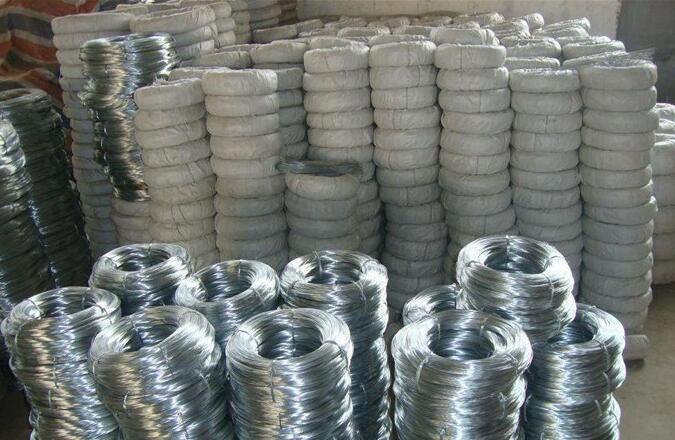
The primary raw material for iron nail production is low-carbon steel wire, typically ranging from SAE 1006 to 1010. This steel composition provides a balance of ductility and strength necessary for cold forming. Key physical properties include a tensile strength of approximately 400-550 MPa and a yield strength of around 250-350 MPa, though these values vary with wire diameter and cold working. The manufacturing process begins with the production of steel wire through processes like hot rolling followed by wire drawing. This process reduces the wire diameter and increases its tensile strength through work hardening. Nails are then formed via two primary methods: cold heading and wire drawing. Cold heading involves cutting a pre-determined length of wire and then forming the head by impacting the wire between dies. Wire drawing utilizes a die to shape the wire into a nail with a point. Critical parameters in manufacturing include die geometry, lubrication, heading speed, and wire temperature. Maintaining consistent lubrication is vital to prevent galling and ensure proper head formation. Surface treatments, most commonly galvanization (zinc coating), are applied to enhance corrosion resistance. Electrolytic galvanization provides a more uniform and controlled coating compared to hot-dip galvanization, but is generally more expensive. The chemical compatibility between the steel substrate and the zinc coating is crucial to prevent premature corrosion; proper surface preparation (cleaning and pickling) is essential for adhesion. Hydrogen embrittlement can occur during the pickling process, requiring post-treatment baking to drive off hydrogen.
Performance & Engineering
The performance of iron nails is heavily dictated by force analysis under various loading conditions. Primarily, nails are subjected to shear forces and tensile forces. Shear strength is the nail's ability to resist forces acting parallel to its shank, while tensile strength refers to its resistance to forces pulling it straight out of the material. Nail geometry plays a crucial role; ring-shank nails and barbed nails offer significantly improved withdrawal resistance compared to smooth-shank nails due to increased friction. Environmental resistance is a primary concern, especially in outdoor applications. Corrosion is the most common failure mode, driven by electrochemical reactions between the iron, oxygen, and moisture. Galvanization provides a sacrificial barrier, corroding preferentially to the steel. The effectiveness of galvanization depends on coating thickness and the presence of any defects. Compliance requirements vary by region and application. For construction, nails must often meet standards set by building codes and industry organizations. For example, ICC-ES (International Code Council - Evaluation Services) evaluates nail products for structural applications. Finite Element Analysis (FEA) is increasingly used to optimize nail designs and predict performance under complex loading scenarios. Factors considered in FEA include material properties, nail geometry, and the properties of the materials being fastened. Proper nail penetration depth is critical; insufficient penetration reduces holding power, while excessive penetration can weaken the material being fastened.
Technical Specifications
| Diameter (mm) | Length (mm) | Shear Strength (N) | Tensile Strength (N) |
|---|---|---|---|
| 2.1 | 50 | 800 | 500 |
| 2.5 | 65 | 1200 | 750 |
| 3.1 | 80 | 1800 | 1100 |
| 3.4 | 90 | 2300 | 1400 |
| 4.0 | 100 | 3000 | 1800 |
| 4.5 | 120 | 3800 | 2300 |
Failure Mode & Maintenance
Iron nail failure typically manifests in several modes. Fatigue cracking occurs under cyclic loading, initiating at stress concentrations such as the nail head or point. This is particularly prevalent in applications subject to vibrations or repeated impacts. Corrosion is a major contributor to failure, leading to a reduction in cross-sectional area and eventual fracture. Hydrogen embrittlement, as mentioned previously, can exacerbate corrosion-induced failure. Delamination can occur if the fastened materials separate, exerting excessive bending stress on the nail. Oxidation results in surface degradation and weakens the nail. Proper maintenance, although limited for nails in fixed applications, involves preventative measures. Selecting appropriate nail coatings (galvanization, epoxy coating) for the intended environment is crucial. Regular inspection of nailed structures can identify signs of corrosion or fatigue. If corrosion is detected, sacrificial anodes can be strategically placed to protect the nails. Replacing corroded nails proactively is essential to prevent structural failure. Avoiding the use of dissimilar metals in direct contact with iron nails can minimize galvanic corrosion. For critical applications, the use of stainless steel nails should be considered to eliminate corrosion concerns entirely.
Industry FAQ
Q: What is the impact of different galvanization methods (hot-dip vs. electrolytic) on the long-term corrosion resistance of iron nails?
A: Electrolytic galvanization generally provides superior corrosion resistance due to a more uniform and thinner zinc coating that adheres better to the steel substrate. Hot-dip galvanization produces a thicker coating but can be more prone to uneven coverage and potentially more brittle adhesion. While hot-dip is cheaper, electrolytic galvanization offers extended service life, especially in harsh environments. The specific environment – exposure to salt spray, industrial pollutants, etc. – dictates the optimal method.
Q: How does the carbon content in the steel wire affect the nail’s ductility and strength?
A: Lower carbon content (e.g., SAE 1006) results in increased ductility, making the nail more resistant to bending and breaking during installation. However, lower carbon content also leads to lower tensile strength. Higher carbon content increases strength but reduces ductility, making the nail more brittle. The balance between these properties is crucial, and manufacturers typically use low-carbon steels to optimize both formability and holding power.
Q: What are the key considerations when selecting nails for pressure-treated lumber?
A: Pressure-treated lumber contains chemicals designed to resist decay and insect infestation. These chemicals can be corrosive to certain metals. Therefore, only nails specifically rated for use with pressure-treated lumber – typically stainless steel or specially coated nails – should be used. Using standard iron nails with pressure-treated lumber will result in rapid corrosion and structural failure.
Q: How does nail geometry (smooth shank, ring shank, barbed shank) impact withdrawal resistance?
A: Smooth shank nails offer the lowest withdrawal resistance. Ring shank and barbed shank nails significantly increase withdrawal resistance due to the mechanical interlock created by the rings or barbs engaging with the wood fibers. The greater the surface area and depth of engagement, the higher the withdrawal resistance. Ring shank nails are generally preferred for applications where high holding power is required.
Q: What role does proper nail driving technique play in ensuring optimal performance and preventing failures?
A: Proper nail driving technique is essential. Driving nails at a consistent angle, avoiding bending or kinking of the nail during installation, and ensuring sufficient penetration are all critical. Using a hammer with appropriate weight and striking the nail head squarely prevents mushrooming and ensures a secure hold. Overdriving nails can weaken the connection, while underdriving can reduce holding power.
Conclusion
Iron nails, despite their seemingly simple construction, represent a sophisticated application of material science and manufacturing engineering. Their performance is intrinsically linked to the material composition of the steel wire, the precision of the forming process, and the effectiveness of surface treatments, particularly galvanization. Selecting the appropriate nail type for a given application, considering the environmental conditions, the type of material being fastened, and the load requirements, is paramount for ensuring long-term structural integrity.
Future advancements will likely focus on developing more durable and corrosion-resistant coatings, optimizing nail geometries through advanced modeling techniques, and incorporating smart technologies for monitoring nail performance in critical infrastructure. Continued research into alternative materials and manufacturing processes will drive innovation in the iron nail industry, further enhancing the reliability and sustainability of fastened connections.