



Introduction
Iron nails, seemingly simple fasteners, represent a critical component in a vast array of construction, woodworking, and manufacturing applications. Their technical position within the fastening and joining industry chain is fundamental, serving as a primary method for assembling materials, particularly wood, but also extending to metal and composite applications. This guide provides an in-depth exploration of iron nail manufacturing, encompassing material science, production processes, performance characteristics, failure modes, and relevant industry standards. The core performance of an iron nail is defined by its shear strength, tensile strength, bending resistance, and corrosion resistance, all heavily influenced by material composition, manufacturing processes, and surface treatments. Addressing prevalent industry pain points, such as consistent dimensional accuracy, head integrity, and susceptibility to corrosion, is central to this technical analysis.
Material Science & Manufacturing
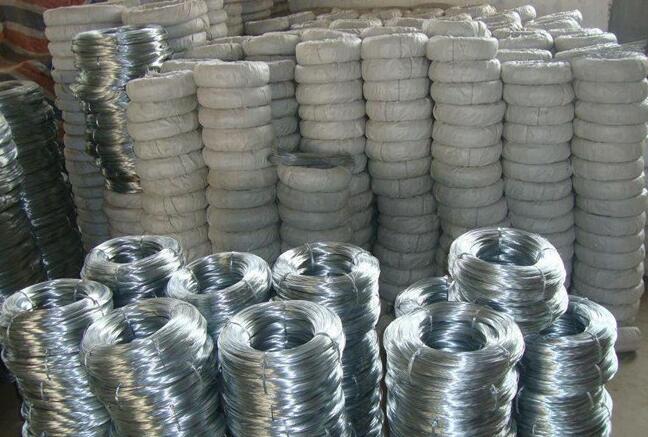
Iron nails are predominantly manufactured from low to medium carbon steel, typically ranging from 0.05% to 0.25% carbon content. The raw material selection is paramount, influencing the nail’s ductility, hardness, and weldability. Carbon content directly affects these properties; lower carbon content imparts greater ductility, while increased carbon enhances hardness but reduces ductility. Manufacturing typically begins with wire drawing, where steel rods are pulled through a series of progressively smaller dies to achieve the desired nail diameter. This process introduces work hardening, increasing the steel's tensile strength but decreasing its ductility. The wire is then fed into nail-making machines. These machines employ a cutting process to shear the wire into nail blanks, followed by heading – a cold-forming process that shapes the nail head. Accurate die design and consistent force application during heading are crucial for ensuring uniform head dimensions and preventing cracking. Surface treatments, such as galvanization (zinc coating) or phosphate coating, are then applied to enhance corrosion resistance. Galvanization, achieved through hot-dip galvanizing or electroplating, provides a sacrificial protective layer. The quality of the galvanization—uniformity, thickness, and adherence—directly impacts the nail's longevity in corrosive environments. Precise control of the galvanizing bath temperature and zinc concentration is essential. The control of parameters like wire feed rate, die geometry, heading pressure, and coating thickness is critical for consistent product quality.

Performance & Engineering
The performance of an iron nail is primarily governed by its ability to withstand shear and tensile forces. Shear strength is critical when nails are subjected to lateral loads, as in structural framing. Tensile strength becomes crucial when resisting pull-out forces. Engineering analysis involves assessing these forces in relation to nail diameter, length, and the properties of the materials being joined. Finite element analysis (FEA) is increasingly used to model nail performance under various load conditions, identifying stress concentrations and potential failure points. Environmental resistance, particularly corrosion resistance, is a significant performance factor. The rate of corrosion depends on the surrounding environment (humidity, salinity, chemical exposure) and the effectiveness of the surface treatment. Nails used in exterior applications or in contact with treated lumber require robust corrosion protection. Compliance requirements vary depending on the application and geographic region. For example, nails used in structural applications must meet building code standards related to shear capacity and withdrawal resistance. Furthermore, nails intended for use with pressure-treated lumber must be compatible with the treatment chemicals to prevent corrosion. Understanding the interaction between the nail material and the treated wood preservative is vital. The nail's geometry—shank diameter, point angle, and head shape—also significantly impacts performance. A sharper point facilitates easier penetration, while a larger head provides greater holding power.
Technical Specifications
| Diameter (mm) | Length (mm) | Tensile Strength (MPa) | Shear Strength (MPa) |
|---|---|---|---|
| 2.5 | 50 | 450 | 300 |
| 3.0 | 75 | 500 | 350 |
| 3.5 | 100 | 550 | 400 |
| 4.0 | 120 | 600 | 450 |
| 4.5 | 150 | 650 | 500 |
| 5.0 | 200 | 700 | 550 |
Failure Mode & Maintenance
Iron nails are susceptible to several failure modes. Fatigue cracking can occur under repeated loading, particularly in structural applications. This typically initiates at stress concentration points, such as the nail head or shank bends. Corrosion is a major contributor to nail failure, especially in exposed environments. Rust weakens the nail material, reducing its cross-sectional area and ultimately leading to breakage. Galvanization provides protection, but it can be compromised by scratches, abrasion, or chemical attack. Withdrawal failure occurs when the nail is pulled out of the wood due to insufficient holding power. This can be caused by inadequate nail length, wood density, or improper nail angle. Head shear occurs when the nail head is sheared off due to excessive lateral force. Brittle fracture can occur in hardened nails, particularly at low temperatures. Maintenance primarily focuses on preventative measures. Regularly inspecting nailed structures for signs of corrosion or fatigue is crucial. Applying protective coatings to exposed nail heads can extend their lifespan. Replacing corroded or damaged nails promptly prevents further structural deterioration. In areas prone to corrosion, using stainless steel or other corrosion-resistant nails is recommended. Avoiding overdriving nails, which can weaken the wood and reduce holding power, is also important. Proper storage of nails in a dry environment prevents rust formation before installation.
Industry FAQ
Q: What is the impact of different galvanization methods (hot-dip vs. electroplating) on the long-term corrosion resistance of iron nails?
A: Hot-dip galvanizing generally provides superior corrosion resistance compared to electroplating due to the thicker zinc coating achieved and the metallurgical bonding between the zinc and steel substrate. This creates a more robust barrier against corrosive elements. Electroplating, while offering a smoother and more aesthetically pleasing finish, typically results in a thinner coating that is more susceptible to damage and corrosion over time. The adhesion of the zinc layer in hot-dip galvanizing is also superior, minimizing the risk of underfilm corrosion.
Q: How does carbon content in the steel wire affect the nail’s performance in bending and shear applications?
A: Lower carbon content (e.g., 0.05-0.15%) increases the nail’s ductility, making it more resistant to bending without fracturing. This is advantageous in applications where the nail is subjected to flexing or impact loads. Higher carbon content (e.g., 0.20-0.25%) increases the nail’s hardness and tensile strength, improving its shear resistance. However, it also reduces its ductility, making it more prone to brittle fracture under bending stress. The optimal carbon content is a balance between these two properties, dependent on the intended application.
Q: What are the key considerations when selecting iron nails for use with pressure-treated lumber?
A: The primary consideration is compatibility between the nail material and the wood preservative used in the pressure-treated lumber. Some preservatives, particularly those containing copper, can corrode certain types of nails. Specifically, avoid using aluminum or carbon steel nails with ACQ (Alkaline Copper Quaternary) treated lumber. Hot-dip galvanized nails, stainless steel nails, or nails specifically designed for use with treated lumber are recommended to prevent corrosion and ensure long-term structural integrity.
Q: Can you elaborate on the role of Finite Element Analysis (FEA) in optimizing nail design and predicting failure modes?
A: FEA allows engineers to simulate the stress distribution within a nail under various loading conditions. This helps identify areas of high stress concentration, which are prone to failure. By analyzing these stress patterns, the nail's geometry (shank diameter, head shape, point angle) can be optimized to improve its strength and resistance to failure. FEA can also predict the mode of failure (shear, tension, bending) and the load at which failure will occur, providing valuable insights for design validation and performance prediction.
Q: What quality control measures are critical during the manufacturing process to ensure consistent nail dimensions and mechanical properties?
A: Critical quality control measures include regular dimensional checks of the wire diameter, nail length, and head dimensions using precision measuring instruments. Tensile and shear strength testing are performed on samples from each production batch to verify that the nails meet specified mechanical property requirements. Coating thickness measurements are crucial for ensuring adequate corrosion protection. Visual inspection for surface defects, such as cracks or voids, is also essential. Statistical process control (SPC) is implemented to monitor and control key process parameters, identifying and addressing any deviations from target values.
Conclusion
Iron nail manufacturing is a sophisticated process requiring precise control of material science, production parameters, and quality control measures. The performance of an iron nail – its shear strength, tensile strength, and corrosion resistance – is directly influenced by these factors. Understanding the potential failure modes, such as fatigue cracking, corrosion, and withdrawal failure, is vital for ensuring the long-term integrity of nailed structures. Selecting the appropriate nail material and surface treatment for the intended application, particularly in corrosive environments or with treated lumber, is paramount.
Future developments in iron nail technology may focus on utilizing advanced materials, such as high-strength low-alloy steels, to further enhance performance. Improved coating technologies, offering superior corrosion protection and durability, are also likely to emerge. The continued application of FEA and other modeling techniques will enable engineers to optimize nail designs for specific applications, maximizing their strength, efficiency, and longevity. Maintaining strict adherence to industry standards and implementing robust quality control procedures remain crucial for ensuring consistent product quality and reliability.