



Introduction
Iron nails, a seemingly simple fastener, represent a critical component across numerous industries, including construction, woodworking, and furniture manufacturing. The price per kilo of iron nails is a key procurement metric, heavily influenced by raw material costs (primarily iron ore and steel scrap), manufacturing processes, nail gauge, length, finish, and prevailing market conditions. This guide provides an in-depth technical analysis of iron nails, encompassing material science, manufacturing techniques, performance characteristics, potential failure modes, and relevant industry standards. Understanding these facets is vital for informed purchasing decisions, quality control, and ensuring structural integrity in applications utilizing these essential fasteners. Current market volatility, stemming from global steel production and logistical constraints, necessitates a granular understanding beyond simply the stated price per kilo, including considerations for alloy composition and surface treatments.
Material Science & Manufacturing
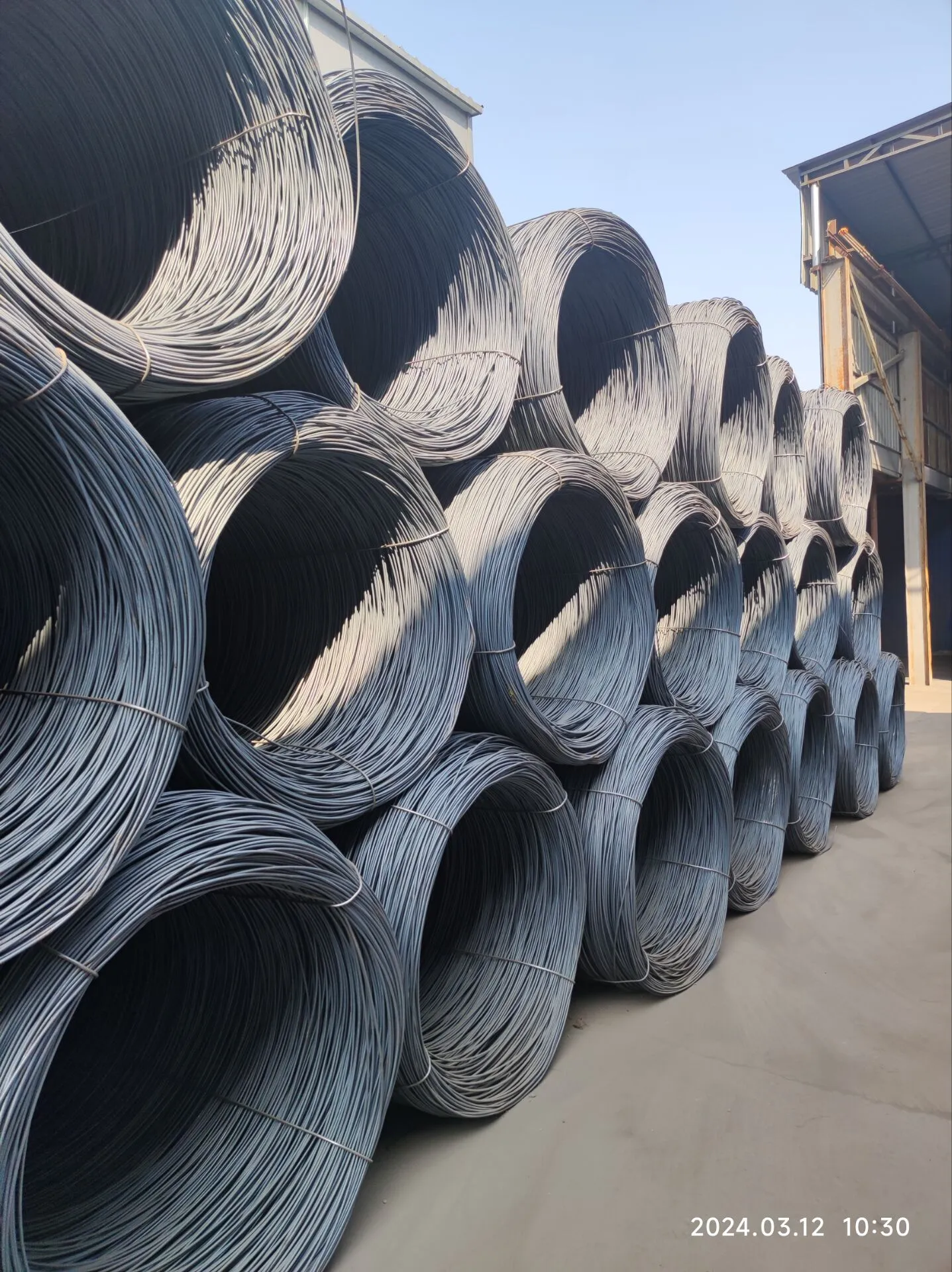
Iron nails are predominantly manufactured from low-carbon steel, typically ranging from 0.05% to 0.25% carbon content. The iron ore undergoes a series of processes, including smelting to produce pig iron, followed by refining to remove impurities. Steel scrap is a significant input, contributing to sustainability and cost reduction. Key properties of the resulting steel include tensile strength (typically 400-600 MPa), yield strength (250-400 MPa), and ductility. The manufacturing process commonly involves wire drawing, where steel rods are pulled through progressively smaller dies to achieve the desired nail diameter. Subsequent heading forms the nail head. Critical parameters during wire drawing include die angle, drawing speed, and lubrication. Improper lubrication leads to increased friction, heat buildup, and potential wire breakage. Heading requires precise control of impact force and die geometry to ensure consistent head formation without fracturing the nail shank. Surface treatments such as galvanization (zinc coating) or phosphate coating are applied to enhance corrosion resistance. Galvanization methods include hot-dip galvanizing and electrogalvanizing, each offering varying levels of protection and aesthetic finish. The thickness of the coating is a critical parameter impacting durability and, consequently, the overall life-cycle cost of the nail. The choice of steel grade impacts weldability in applications requiring post-installation modification or connection to steel structures.
Performance & Engineering
The performance of iron nails is primarily dictated by their load-bearing capacity, shear strength, and resistance to pull-out forces. These characteristics are dependent on nail diameter, length, shank design (smooth or ring shank), and the properties of the material being fastened (wood density, steel thickness). Force analysis during nail penetration involves understanding the energy required to overcome the material’s resistance and the resulting stresses generated within the nail shank. Ring shanks, with their helical grooves, significantly enhance pull-out resistance by increasing friction along the shank length. Environmental resistance, particularly corrosion, is a crucial consideration. Galvanized nails provide superior protection against rust compared to uncoated nails, but even galvanized coatings eventually degrade, particularly in harsh environments (marine atmospheres, exposure to chlorides). Finite Element Analysis (FEA) can be employed to model stress distribution within the nail and the surrounding material under various loading conditions, optimizing nail design for specific applications. Compliance requirements often dictate the use of specific nail types and coatings, particularly in structural applications governed by building codes. For example, certain building codes may mandate the use of specific nail sizes and types for shear wall construction to ensure seismic resistance.
Technical Specifications
| Nail Diameter (mm) | Nail Length (mm) | Tensile Strength (MPa) | Coating Type |
|---|---|---|---|
| 2.5 | 50 | 450 | Bright (Uncoated) |
| 3.0 | 65 | 500 | Hot-Dip Galvanized |
| 3.5 | 80 | 550 | Electro-Galvanized |
| 4.0 | 100 | 600 | Phosphate Coated |
| 4.5 | 120 | 600 | Hot-Dip Galvanized |
| 5.0 | 150 | 650 | Bright (Uncoated) |
Failure Mode & Maintenance
Iron nails are susceptible to several failure modes, including bending, shear failure, pull-out, and corrosion. Bending occurs when the nail is subjected to excessive lateral force. Shear failure happens when the nail is overloaded in a direction perpendicular to its axis. Pull-out is caused by exceeding the frictional resistance between the nail shank and the surrounding material. Corrosion, as previously mentioned, weakens the nail material and reduces its load-bearing capacity. Fatigue cracking can occur in applications involving cyclical loading. Microscopic examination of failed nails often reveals initiation points at surface defects or stress concentrations. Preventative maintenance, while limited for permanently installed nails, focuses on proper selection of nail type and coating for the specific application and environmental conditions. Periodic inspection for signs of corrosion or damage is recommended, particularly in critical structural applications. Replacing corroded or damaged nails is crucial to maintaining structural integrity. Using compatible materials – avoiding galvanic corrosion between the nail and the fastened material – is a key preventative measure. For instance, using galvanized nails with treated lumber prevents accelerated corrosion. Proper nail driving technique, avoiding bending or damaging the nail during installation, also contributes to extended service life.
Industry FAQ
Q: What is the impact of steel alloy composition on the nail’s performance?
A: The addition of alloying elements, such as manganese or silicon, can significantly impact the nail's mechanical properties. Manganese increases strength and hardness, while silicon improves ductility. Small percentages of these elements are frequently incorporated into low-carbon steel to optimize the balance between strength and toughness. The specific alloy composition will also affect weldability, corrosion resistance, and overall cost.
Q: How does the type of galvanization (hot-dip vs. electro-galvanized) affect corrosion resistance and price per kilo?
A: Hot-dip galvanization provides a thicker, more robust zinc coating, offering superior corrosion protection. This typically translates to a higher price per kilo. Electro-galvanization produces a thinner, more uniform coating, resulting in lower cost, but also reduced corrosion resistance. The choice depends on the severity of the exposure environment and the required service life.
Q: What considerations should be made when selecting nails for treated lumber?
A: Treated lumber contains chemicals designed to prevent decay and insect infestation. These chemicals can be corrosive to some metals. It's crucial to use fasteners specifically designed for use with treated lumber, typically hot-dip galvanized or stainless steel nails, to prevent premature failure due to corrosion.
Q: Can Finite Element Analysis (FEA) be used to optimize nail design for specific applications?
A: Yes, FEA is a powerful tool for simulating stress distribution within the nail and the surrounding material under various loading conditions. This allows engineers to optimize nail geometry, shank design, and material properties to maximize load-bearing capacity and minimize the risk of failure.
Q: What role do international standards play in ensuring the quality and performance of iron nails?
A: International standards, such as those published by ASTM, ISO, and EN, define the specifications for nail materials, dimensions, coatings, and performance characteristics. Adherence to these standards ensures consistency and reliability, providing confidence in the product’s quality and suitability for intended applications. Compliance with these standards is often a contractual requirement in large-scale construction projects.
Conclusion
The price per kilo of iron nails is a deceptively simple metric. A comprehensive understanding of the underlying material science, manufacturing processes, and performance characteristics is essential for making informed procurement decisions. Selecting the appropriate nail type, coating, and size requires careful consideration of the application, environmental conditions, and relevant industry standards. Neglecting these factors can lead to premature failure, compromising structural integrity and increasing life-cycle costs.
Future trends in iron nail technology are likely to focus on developing more sustainable materials, improving corrosion resistance through advanced coating technologies, and optimizing nail designs through advanced modeling techniques. Further research into the long-term performance of nails in various environments will be critical for ensuring the continued reliability and safety of structures utilizing these fundamental fasteners. A proactive approach to quality control and adherence to evolving industry standards will remain paramount.