



Introduction
Iron wire nails represent a foundational fastening element in construction, woodworking, and various industrial applications. Positioned as a cost-effective and readily available solution, they bridge the gap between materials, providing mechanical interlock through deformation and friction. Their technical significance lies in their simplicity; however, achieving consistent performance necessitates precise control over material composition, manufacturing processes, and dimensional tolerances. Core performance characteristics include shear strength, tensile strength, bending resistance, and corrosion susceptibility. This guide provides an in-depth technical analysis of iron wire nails, encompassing material science, manufacturing processes, performance parameters, failure modes, and relevant industry standards. The industry frequently faces challenges related to inconsistent nail quality, corrosion-induced failures, and the limitations of iron in demanding environments, driving demand for optimized alloys and surface treatments.
Material Science & Manufacturing
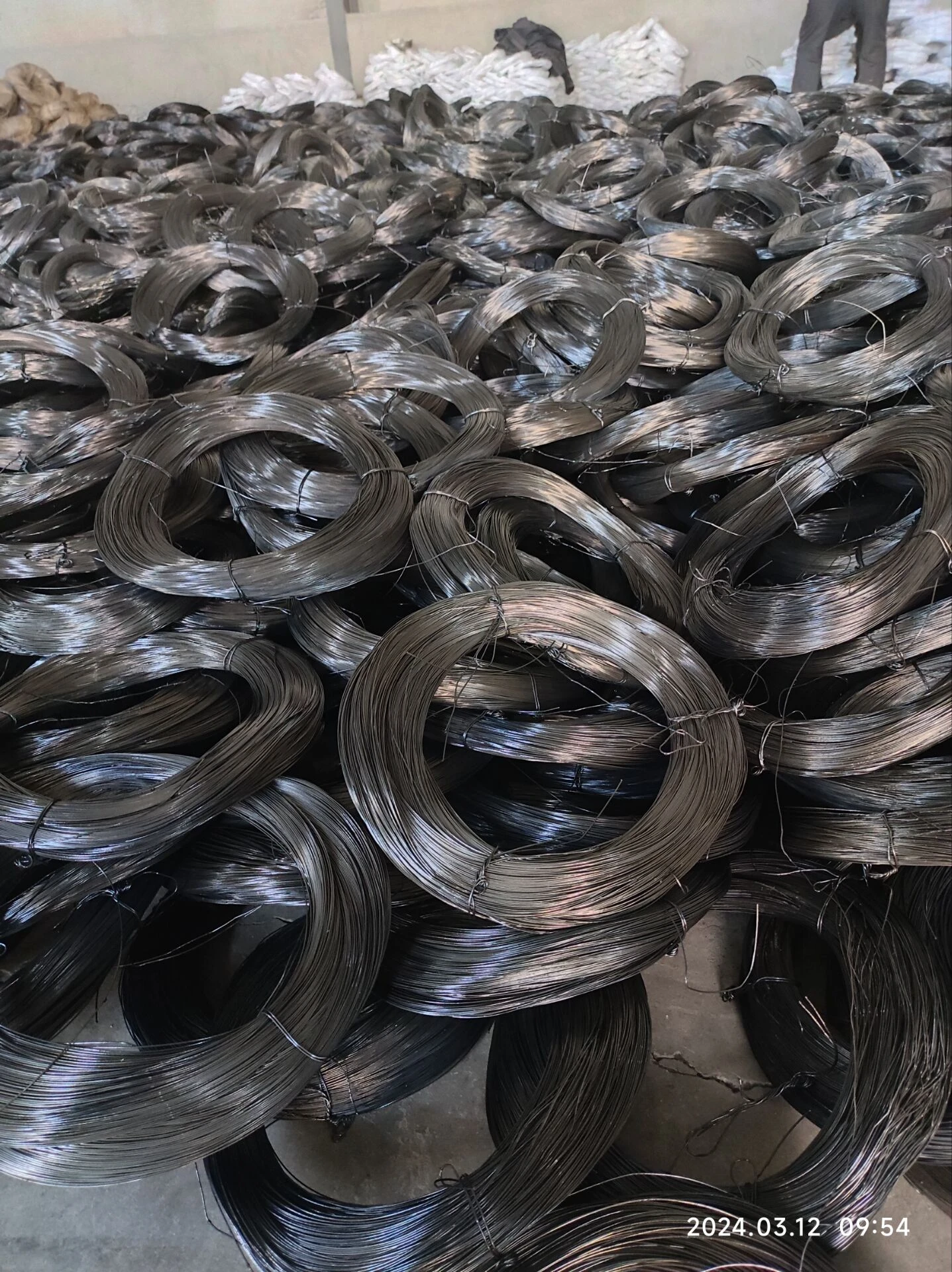
Iron wire nails are predominantly manufactured from low-carbon steel, typically ranging from 0.05% to 0.25% carbon content. The primary raw material is hot-rolled or cold-drawn iron wire. The carbon content dictates hardness and ductility – lower carbon percentages yield greater ductility, essential for nail formation without fracture, while higher percentages increase hardness and tensile strength. Common steel grades include SAE 1008 and 1010. Other alloying elements, such as manganese (0.20-0.30%) are often added to improve strength and hardenability. The manufacturing process typically involves wire drawing to achieve the desired diameter, followed by heading (forming the nail head) and pointing (sharpening the nail tip). Critical process parameters include wire drawing speed, die lubrication, heading force, and pointing angle. Inadequate lubrication during wire drawing can lead to surface defects, reducing tensile strength. Insufficient heading force results in incomplete head formation, while improper pointing can compromise driving performance. Surface treatments, such as galvanization or phosphating, are applied to enhance corrosion resistance. Galvanization, utilizing zinc coating, provides a sacrificial layer, preventing iron oxidation. Phosphating creates a chemically resistant layer that acts as a primer for subsequent coatings. Quality control measures include regular tensile testing of wire samples, dimensional checks of finished nails, and coating thickness assessments.

Performance & Engineering
The performance of iron wire nails is critically dependent on their ability to withstand shear and tensile forces during service. Shear strength, the resistance to forces acting parallel to the nail shank, is paramount in applications subjected to lateral loads. Tensile strength, the resistance to forces acting along the nail axis, determines the nail’s holding power. Engineering calculations often employ the nail’s shank diameter and material yield strength to determine its load-bearing capacity. Environmental resistance is a significant concern, particularly in outdoor applications. Iron is susceptible to corrosion, which weakens the nail and compromises its structural integrity. Factors influencing corrosion rate include humidity, temperature, salt exposure, and the presence of dissimilar metals. Nail angle and penetration depth also affect performance. A steeper angle increases the shear component of the load, while deeper penetration provides greater withdrawal resistance. Compliance requirements vary depending on the application and geographical location. Building codes often specify minimum nail size, type, and spacing for structural connections. For example, the International Building Code (IBC) outlines specific requirements for nail usage in wood framing. Finite element analysis (FEA) is increasingly used to model nail performance under various loading conditions, optimizing nail geometry and material selection.
Technical Specifications
| Nail Diameter (Gauge) | Nail Length (inches) | Tensile Strength (psi) | Shear Strength (psi) |
|---|---|---|---|
| 8 Gauge (4.0 mm) | 2.5 | 60,000 | 45,000 |
| 6 Gauge (3.3 mm) | 3.0 | 75,000 | 55,000 |
| 4 Gauge (2.6 mm) | 3.5 | 90,000 | 65,000 |
| 3 Gauge (2.0 mm) | 2.0 | 80,000 | 50,000 |
| 2 Gauge (1.6 mm) | 1.5 | 70,000 | 40,000 |
| 1 Gauge (1.2 mm) | 1.0 | 60,000 | 35,000 |
Failure Mode & Maintenance
Iron wire nails are susceptible to several failure modes, including bending, shear failure, withdrawal, and corrosion-induced failure. Bending occurs when the nail is subjected to excessive lateral forces, exceeding its bending moment capacity. Shear failure results from stresses exceeding the shear strength of the nail shank, often occurring at the shear plane. Withdrawal failure occurs when the nail is pulled out of the substrate, dependent on friction between the nail and the material. Corrosion is a primary contributor to nail failure, weakening the material and reducing its load-bearing capacity. Rust formation expands the nail volume, creating stress within the surrounding material. Galvanized nails offer improved corrosion resistance but are not immune to long-term degradation. Preventive maintenance is limited for installed nails; however, selecting appropriately coated nails for the intended environment is crucial. Regular inspections can identify signs of corrosion or damage. In high-corrosion environments, periodic replacement of nails may be necessary to maintain structural integrity. Coating the nail head with a sealant can help prevent water ingress and reduce corrosion. Avoiding the use of iron nails in direct contact with dissimilar metals (e.g., aluminum) minimizes galvanic corrosion.
Industry FAQ
Q: What is the impact of different head styles (flat, round, countersunk) on nail performance?
A: Head style primarily influences the distribution of force and the aesthetic appearance. Flat head nails offer a broad bearing surface, distributing load effectively and providing a flush finish. Round head nails offer less holding power but are suitable for applications where a recessed finish is undesirable. Countersunk nails are designed to be driven below the surface, providing a smooth, clean appearance but require pre-drilling to prevent splitting.
Q: How does the wood species affect the holding power of iron wire nails?
A: Wood density and grain orientation significantly impact holding power. Harder woods, like oak, offer greater resistance to nail withdrawal than softer woods, like pine. Nailing parallel to the wood grain provides optimal holding power, while nailing perpendicular to the grain increases the risk of splitting. Moisture content also plays a role; wet wood is softer and easier to nail, but shrinkage during drying can loosen nails.
Q: What are the limitations of using iron wire nails in saltwater environments?
A: Iron exhibits rapid corrosion in saltwater environments, leading to significant strength reduction and premature failure. While galvanization offers some protection, it is insufficient for prolonged exposure. Stainless steel or specialized corrosion-resistant alloy nails are recommended for marine applications. Periodic inspection and replacement are crucial if iron nails are used.
Q: What is the significance of nail shank design (smooth vs. ring shank)?
A: Shank design directly impacts withdrawal resistance. Smooth shank nails rely primarily on friction for holding power, offering limited resistance to pull-out forces. Ring shank nails feature a series of rings along the shank, which deform the surrounding material during insertion, creating a mechanical interlock that significantly increases withdrawal resistance.
Q: What quality control measures are essential during iron wire nail manufacturing?
A: Essential quality control measures include tensile testing of wire, dimensional checks of finished nails (diameter, length, head size), coating thickness measurement, and bend testing to assess ductility. Regular monitoring of process parameters (wire drawing speed, heading force, pointing angle) is also crucial to ensure consistent product quality.
Conclusion
Iron wire nails, despite their simplicity, represent a critical fastening component in numerous industries. Their performance is dictated by a complex interplay of material properties, manufacturing precision, and environmental factors. Understanding the nuances of steel composition, the impact of process parameters, and the potential for corrosion-induced failure is paramount for ensuring reliable and long-lasting connections.
Future developments may focus on improved corrosion-resistant coatings, optimized nail geometries for specific applications, and the integration of smart materials that provide real-time monitoring of nail integrity. Furthermore, advancements in non-destructive testing methods will enable more efficient and accurate quality control, minimizing the risk of premature failures and enhancing structural safety.