



Introduction
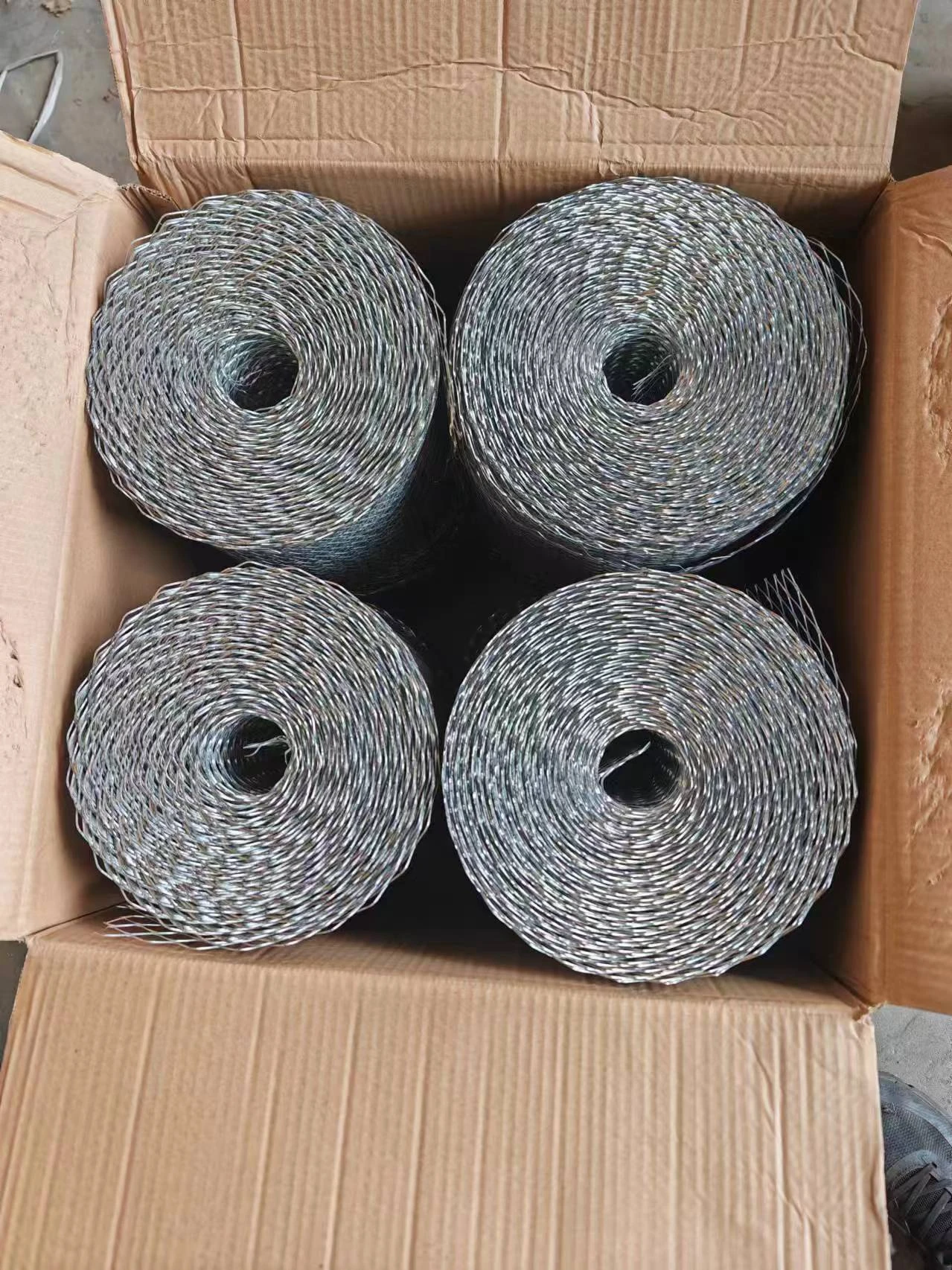
Iron wire, a foundational material in numerous industrial applications, is defined as a metallic conductor formed by drawing iron through a die to reduce its cross-sectional area. Its position within the industry chain is primary – serving as a feedstock for further manufacturing processes ranging from construction and automotive to electrical components and fencing. Core performance characteristics center around tensile strength, ductility, electrical conductivity, and corrosion resistance, all of which significantly influence its price. Fluctuations in iron ore prices, energy costs for production, manufacturing complexity (wire gauge, coating), and global supply chain dynamics contribute to the variability in iron wire pricing. This guide provides an in-depth examination of these factors, material science, manufacturing processes, performance specifications, potential failure modes, and relevant industry standards, focusing on technical aspects driving cost and reliability.
Material Science & Manufacturing
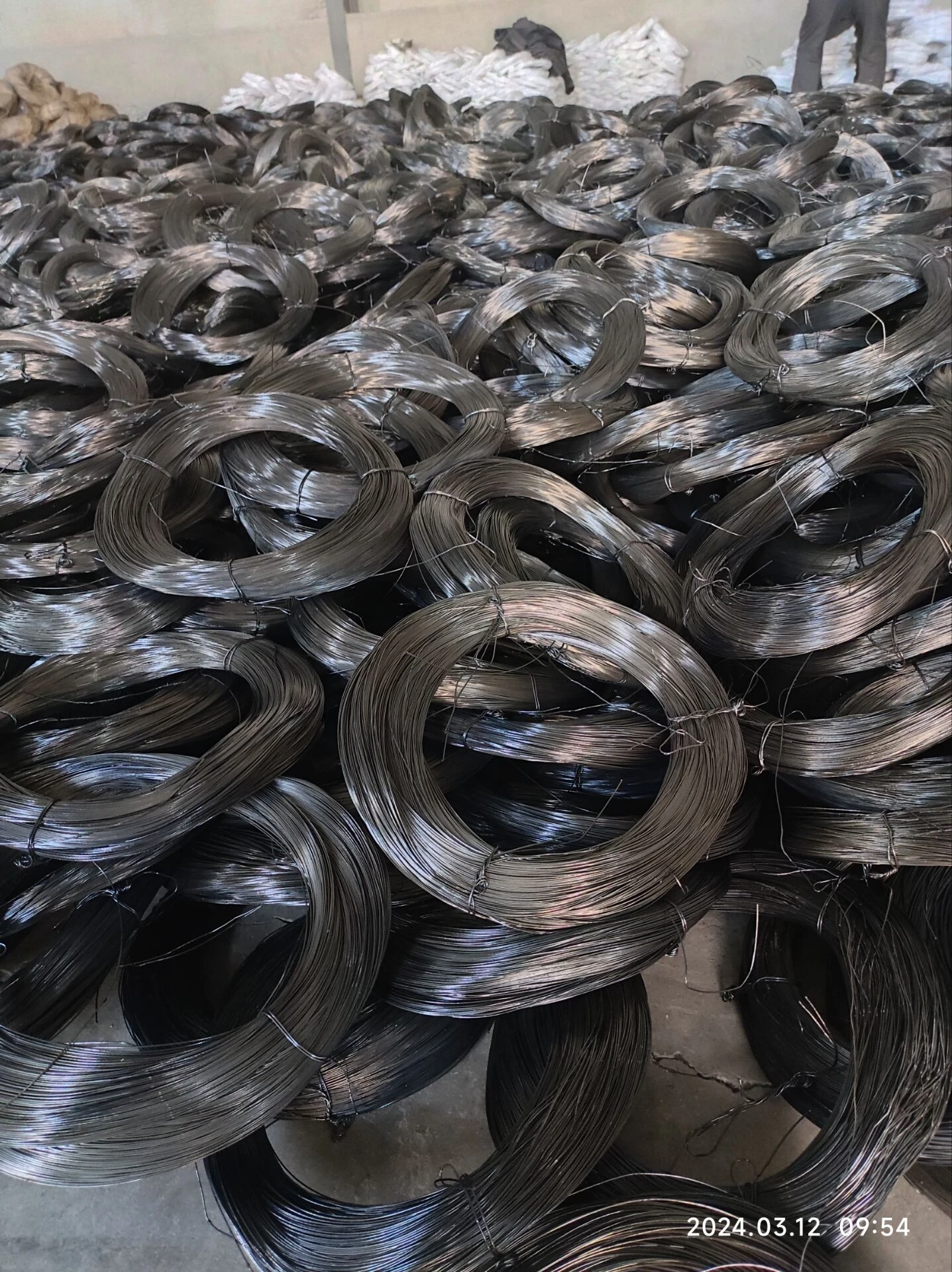
The primary raw material for iron wire is wrought iron, low carbon steel (typically 0.05% to 0.25% carbon), or high carbon steel (0.60% to 1.00% carbon). Low carbon steel offers greater ductility and formability, essential for applications requiring bending or tying, while high carbon steel yields higher tensile strength, suited for applications demanding structural integrity. The manufacturing process typically begins with hot rolling of iron billets into rods. These rods are then pickled to remove surface oxides, and subsequently drawn through a series of progressively smaller dies – a process known as wire drawing. This plastic deformation increases tensile strength but reduces ductility. Lubrication is crucial during wire drawing to minimize friction and prevent die wear; common lubricants include metallic soaps, phosphates, and polymers. Annealing, a heat treatment process, is often employed after drawing to restore ductility. Further surface treatments, such as galvanization (zinc coating), electroplating, or polymer coating, enhance corrosion resistance and modify electrical properties. Precise control of drawing speed, die angle, and annealing temperature are paramount to achieving consistent mechanical properties and minimizing defects. The presence of inclusions (sulfides, oxides) within the iron matrix can act as stress concentrators and contribute to premature failure. Careful control of steelmaking processes is, therefore, critical.
Performance & Engineering
The performance of iron wire is governed by its mechanical and electrical properties. Tensile strength, measured in MPa or psi, determines the wire's resistance to breaking under tension. Ductility, often quantified by percent elongation at break, indicates its ability to deform plastically before fracture. Shear strength is vital in applications involving cutting or bending. Electrical resistivity dictates its suitability for electrical conductors. In structural applications, force analysis must account for dynamic loads, fatigue, and potential creep. Environmental resistance is paramount; exposure to moisture, chlorides, and industrial pollutants can induce corrosion. Galvanization provides sacrificial protection, while polymer coatings act as barrier layers. Compliance requirements vary depending on the application. For example, wire used in fencing must meet relevant safety standards, while wire used in electrical applications must comply with electrical codes. Finite element analysis (FEA) is commonly used to simulate stress distribution and optimize wire geometry for specific load conditions. The choice of wire gauge (diameter) is critical – thinner wires offer lower weight but reduced strength, while thicker wires provide greater strength but higher cost and reduced flexibility.
Technical Specifications
| Parameter | Low Carbon Steel (SAE 1008) | High Carbon Steel (SAE 1095) | Galvanized Low Carbon Steel |
|---|---|---|---|
| Tensile Strength (MPa) | 400-550 | 950-1200 | 400-550 |
| Yield Strength (MPa) | 200-300 | 700-900 | 200-300 |
| Elongation (%) | 20-30 | 5-15 | 20-30 |
| Electrical Resistivity (Ω·m) | 9.71 x 10⁻⁸ | 9.71 x 10⁻⁸ | Slightly higher due to zinc layer |
| Zinc Coating Thickness (µm) | N/A | N/A | 25-50 (typical) |
| Corrosion Resistance (Salt Spray Test, hours) | 24-48 | 24-48 | 240-480 |
Failure Mode & Maintenance
Common failure modes for iron wire include tensile fracture, fatigue cracking, corrosion-induced failure, and hydrogen embrittlement. Tensile fracture occurs when the applied stress exceeds the wire's tensile strength. Fatigue cracking develops under cyclic loading, even at stresses below the yield strength. Corrosion, particularly in chloride-rich environments, can initiate pitting corrosion and reduce the wire’s cross-sectional area. Hydrogen embrittlement, prevalent in high-strength steels, occurs when atomic hydrogen diffuses into the metal lattice, reducing ductility and increasing susceptibility to cracking. Prevention strategies include selecting appropriate wire material for the application, applying protective coatings (galvanization, polymer coating), minimizing stress concentrations (avoid sharp bends), and implementing regular inspection and maintenance programs. Maintenance involves visual inspection for signs of corrosion or damage, cleaning to remove contaminants, and re-application of protective coatings if necessary. In critical applications, non-destructive testing (NDT) methods, such as ultrasonic testing or eddy current testing, can detect subsurface cracks or corrosion. Proper storage conditions—avoiding exposure to humidity and corrosive substances—are also essential to prolong wire lifespan.
Industry FAQ
Q: What is the primary driver of iron wire price fluctuation?
A: The dominant factor is the price of iron ore. Approximately 70-80% of the cost of iron wire is directly attributable to the cost of raw iron ore. Energy costs for smelting and manufacturing, transportation expenses, and global demand also play significant roles, but iron ore is the overarching determinant.
Q: How does galvanization affect the long-term cost-benefit of using iron wire?
A: While galvanization increases the upfront cost of the wire, it significantly extends its service life by providing sacrificial corrosion protection. This reduces the frequency of replacement, resulting in lower lifecycle costs, especially in harsh environments. The cost benefit is particularly pronounced in applications where corrosion is a major concern.
Q: What is the impact of wire gauge on both strength and cost?
A: Generally, increasing wire gauge (diameter) increases tensile strength proportionally to the cross-sectional area. However, the cost also increases non-linearly due to the greater amount of material required. A careful analysis of load requirements and cost constraints is necessary to optimize wire gauge selection.
Q: What quality control measures are critical during the wire drawing process?
A: Precise control of die angle, drawing speed, and lubrication is crucial. Regular monitoring of wire diameter, tensile strength, and surface finish is essential. Inclusion mapping and microstructural analysis can identify potential defects early in the process. Maintaining consistent annealing temperatures is also vital for restoring ductility.
Q: How do different steel compositions (low carbon vs. high carbon) impact the application suitability of iron wire?
A: Low carbon steel is preferred for applications requiring high ductility and formability, such as tying wire or applications involving bending. High carbon steel is selected when high tensile strength and hardness are paramount, for example, in springs or high-strength cables. The choice depends entirely on the specific load and deformation requirements of the application.
Conclusion
The price of iron wire is a complex interplay of raw material costs, manufacturing processes, performance requirements, and environmental considerations. Understanding the material science underpinning wire properties—specifically tensile strength, ductility, and corrosion resistance—is critical for informed procurement. Careful selection of steel composition, wire gauge, and surface treatments allows for optimization of performance and cost.
Future trends in iron wire technology include the development of advanced coatings for enhanced corrosion protection, the implementation of more sustainable manufacturing processes, and the use of higher-strength steel alloys to reduce material consumption. Continued emphasis on quality control and non-destructive testing will ensure the reliability and longevity of iron wire in critical applications, maximizing its value proposition.