



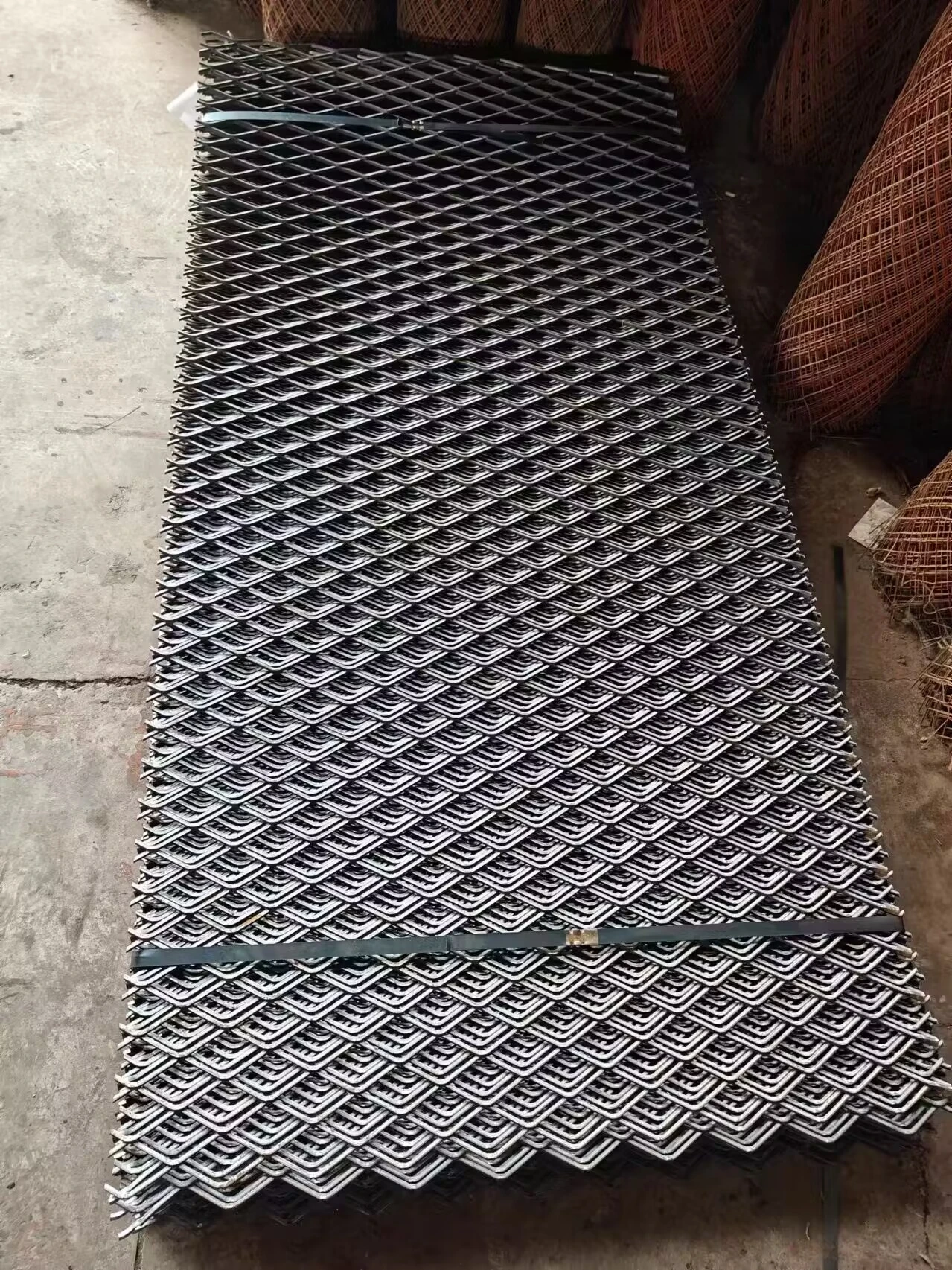
Introduction
Iron wire, a fundamental material in numerous industrial and commercial applications, is typically priced per kilogram (kg). Its cost is dictated by a complex interplay of factors, extending beyond simple material weight. This guide provides an in-depth exploration of iron wire price per kg, covering material science, manufacturing processes, performance characteristics, failure modes, and relevant industry standards. Understanding these elements is crucial for procurement managers, engineers, and manufacturers relying on consistent quality and predictable costs. Iron wire serves as a crucial component in sectors ranging from construction and agriculture to automotive and electrical engineering. The pricing, therefore, impacts a vast network of supply chains. Current market volatility in raw material costs, energy prices, and global logistics further complicates the price landscape, necessitating a detailed analytical approach.
Material Science & Manufacturing
Iron wire’s price is fundamentally linked to the iron content and the manufacturing process. The primary raw material is typically low-carbon steel (typically 0.05% - 0.25% carbon), although higher carbon content wires exist for specific applications demanding increased tensile strength. Raw material sourcing – iron ore reduction from taconite, hematite, or magnetite – introduces initial cost variations. The primary manufacturing process involves hot rolling of steel billets into wire rod. This is followed by drawing the wire rod through a series of dies to achieve the desired gauge (diameter). The drawing process induces work hardening, increasing the wire's strength but also reducing its ductility. Annealing, a heat treatment process, is then often employed to restore ductility. Galvanization, involving coating the wire with zinc, is a common practice to prevent corrosion, adding to the final cost. Electroplating with other metals like copper or nickel can further enhance corrosion resistance or provide specific surface properties, escalating the price. Key parameter control during drawing – die lubrication, reduction ratio per die, and drawing speed – significantly impacts wire quality and consistency, directly affecting yield and, consequently, price. The chemical composition of the steel, particularly the presence of alloying elements like manganese, silicon, and phosphorus, influences mechanical properties and corrosion resistance, impacting the final pricing structure. The quality of the steel scrap used in the electric arc furnace (EAF) process also impacts cost and final product properties.
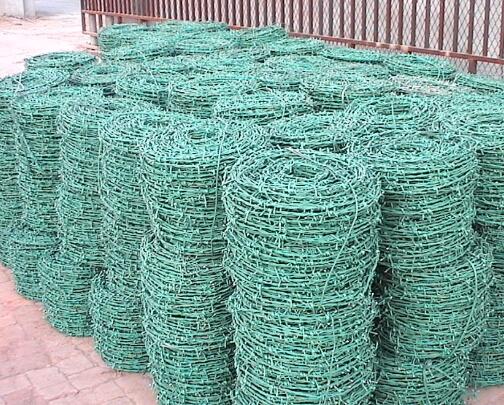
Performance & Engineering
The performance of iron wire is primarily defined by its tensile strength, yield strength, elongation, and corrosion resistance. Tensile strength, measured in MPa or PSI, dictates the maximum stress the wire can withstand before breaking. Yield strength determines the stress at which permanent deformation begins. Elongation, expressed as a percentage, indicates the wire’s ductility. Engineering calculations involving iron wire often require precise knowledge of these parameters. For example, in fencing applications, load calculations must consider wire gauge, post spacing, and anticipated wind loads. In binding applications, the wire’s breaking strength must exceed the anticipated load to ensure secure fastening. Environmental resistance is paramount in outdoor applications. Galvanization provides a sacrificial layer of zinc, protecting the underlying steel from corrosion. However, the effectiveness of galvanization diminishes over time due to zinc depletion. The thickness of the zinc coating, measured in grams per square meter (g/m²), directly influences corrosion resistance and, therefore, the wire's longevity. Compliance requirements vary depending on the intended application. For example, wire used in electrical applications must meet specific conductivity and insulation standards. Wire used in food packaging must adhere to stringent regulations regarding material purity and potential leaching of harmful substances. A critical factor is the fatigue life of the wire, especially in applications involving repeated bending or tensioning. Fatigue cracking initiates at stress concentration points, such as surface defects or bends.
Technical Specifications
| Wire Gauge (Diameter) (mm) | Tensile Strength (MPa) | Zinc Coating Thickness (g/m²) | Carbon Content (%) |
|---|---|---|---|
| 1.2 | 400-550 | 60-80 | 0.08-0.12 |
| 1.6 | 350-500 | 80-100 | 0.06-0.10 |
| 2.0 | 300-450 | 100-120 | 0.05-0.09 |
| 2.5 | 280-400 | 120-150 | 0.04-0.08 |
| 3.0 | 250-350 | 150-200 | 0.03-0.07 |
| 4.0 | 220-300 | 200-250 | 0.02-0.06 |
Failure Mode & Maintenance
Iron wire is susceptible to several failure modes. Corrosion is a primary concern, leading to weakening and eventual fracture, especially in environments with high humidity or exposure to corrosive chemicals. Rust formation accelerates this process. Fatigue cracking occurs under cyclic loading, initiating at stress concentration points. Hydrogen embrittlement, caused by the absorption of hydrogen into the steel lattice, can significantly reduce ductility and promote brittle fracture, particularly in high-strength wires. Overloading, exceeding the wire’s tensile strength, results in immediate fracture. Manufacturing defects, such as inclusions or surface cracks, can act as nucleation sites for failure. Maintenance primarily focuses on preventative measures. Regular inspection for corrosion is crucial, particularly in outdoor applications. Protective coatings, such as paint or oil, can be applied to inhibit corrosion. Avoidance of sharp bends or kinks minimizes stress concentration and reduces the risk of fatigue cracking. For galvanized wire, re-galvanization may be necessary after prolonged exposure to corrosive environments. Proper storage, avoiding exposure to moisture and corrosive substances, is essential. In critical applications, non-destructive testing methods, such as ultrasonic testing, can be employed to detect internal flaws.
Industry FAQ
Q: What is the primary driver of iron wire price fluctuations?
A: The primary driver is the cost of iron ore and steel billets. Global steel market conditions, energy prices (used in steel production), and transportation costs significantly influence the price. Geopolitical events and trade tariffs can also contribute to volatility.
Q: How does the level of galvanization impact the price and longevity of the wire?
A: Higher levels of galvanization (measured in g/m²) provide greater corrosion resistance but increase the price due to the additional zinc coating. While more expensive upfront, increased galvanization extends the wire’s service life, potentially reducing long-term costs.
Q: What is the difference between low-carbon and high-carbon iron wire, and how does this affect the price?
A: Low-carbon wire is more ductile and easier to form, making it suitable for binding and general applications. High-carbon wire is stronger and harder, used where higher tensile strength is required. High-carbon wire typically commands a higher price due to the more complex manufacturing process and higher material cost.
Q: What should I specify in my purchase order to ensure consistent quality?
A: Specify the wire gauge (diameter), tensile strength (in MPa or PSI), zinc coating thickness (g/m²), carbon content (%), and any required certifications (e.g., RoHS compliance). Clearly define the application to allow the supplier to recommend the appropriate wire type.
Q: Are there sustainable alternatives to traditional galvanized iron wire?
A: Yes, alternatives include polymer-coated wire, stainless steel wire (more expensive but highly corrosion-resistant), and wires with alternative corrosion inhibitors. However, these alternatives typically come at a higher price point and may not always be suitable for all applications.
Conclusion
The price of iron wire per kg is a multifaceted issue driven by raw material costs, manufacturing processes, performance requirements, and environmental factors. A thorough understanding of these elements is essential for informed procurement decisions. Fluctuations in steel prices and logistical challenges necessitate continuous monitoring of market conditions and strategic sourcing strategies.
Ultimately, selecting the appropriate iron wire involves balancing cost with performance and longevity. Prioritizing quality control, specifying precise technical requirements, and considering long-term maintenance costs are crucial for maximizing value and minimizing the risk of premature failure. Future trends will likely focus on sustainable materials and more efficient manufacturing processes, impacting both price and environmental footprint.