



Introduction
Nail common, also referred to as a bright common nail, is a foundational fastening element in construction, woodworking, and general assembly applications. Positioned within the broader fastener industry, it represents a basic, yet critical, component derived from ferrous metallurgy. Unlike specialized nails such as ring shank or screw shank nails, the common nail possesses a smooth shank and a flat, cup-shaped head. Its primary performance characteristic is its shear strength and tensile strength under impact loading. However, its relatively simple design necessitates careful consideration of material properties, installation techniques, and environmental factors to ensure long-term structural integrity. Understanding the limitations of common nails – particularly their susceptibility to withdrawal and bending – is paramount to appropriate application. This guide provides a comprehensive analysis of common nail manufacturing, performance, failure modes, and industry standards.
Material Science & Manufacturing
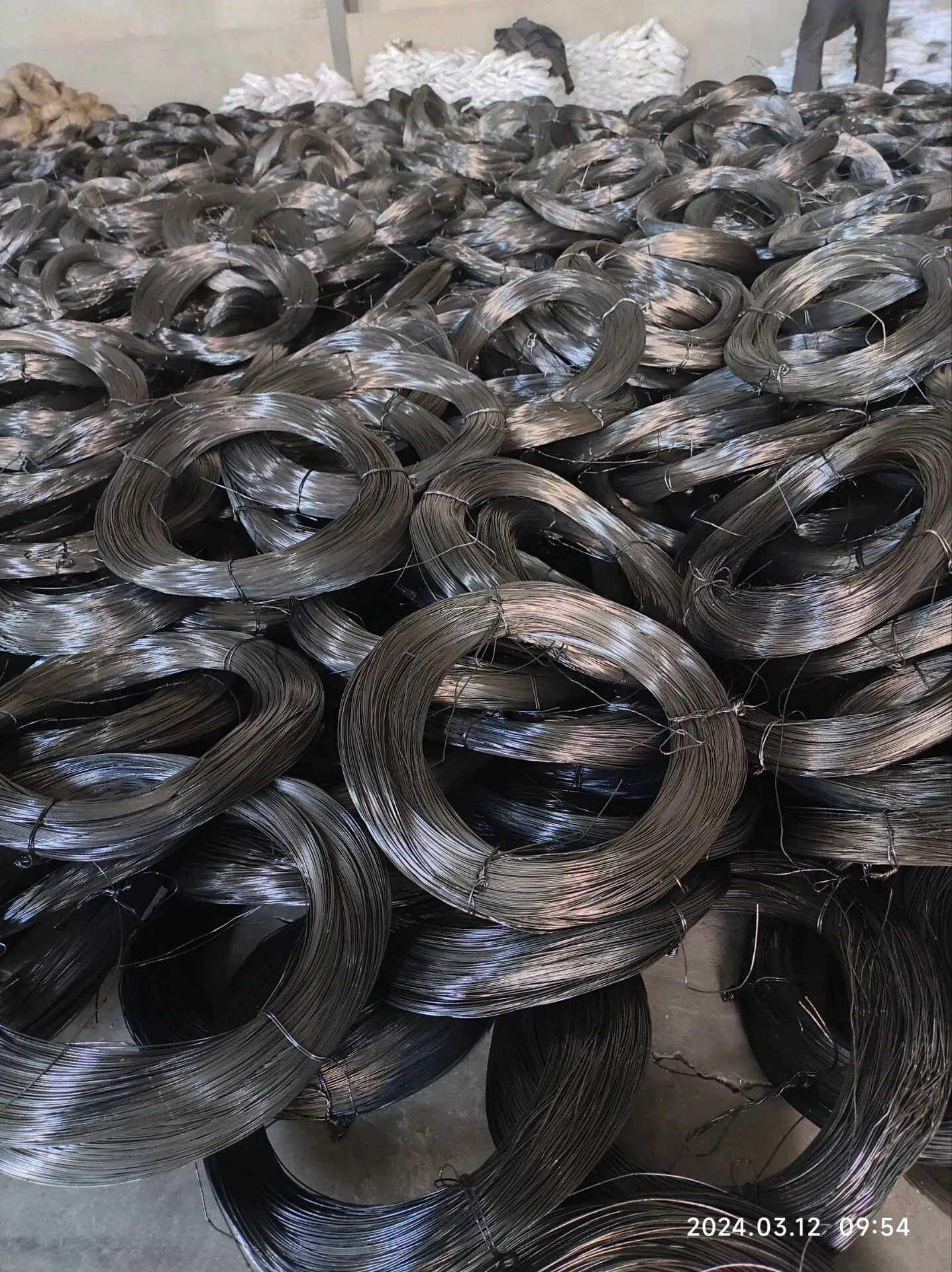
Common nails are predominantly manufactured from low-carbon steel wire, typically SAE 1008 or equivalent. This steel composition offers a balance between ductility and strength, crucial for the cold-forming process. The steel's chemical composition, specifically the carbon content (around 0.08%), influences its hardness and weldability. Raw material quality is critical; impurities like sulfur and phosphorus can introduce brittleness and reduce the nail's resistance to fracture. Manufacturing begins with wire drawing, reducing the diameter of the steel billet to the desired nail shank gauge. This is followed by heading, where the wire is cold-formed between dies to create the nail head. The heading process imparts significant work hardening to the head, increasing its compressive strength. Pointing then forms the nail point, typically a diamond or blunt point depending on the intended application. Key parameters controlled during manufacturing include wire feed rate, heading force, die geometry, and pointing angle. Surface treatments, such as galvanization or phosphating, are often applied to enhance corrosion resistance. Galvanization involves a zinc coating applied through hot-dip or electroplating processes, providing sacrificial protection to the underlying steel. Phosphating creates a conversion coating that improves paint adhesion and offers moderate corrosion protection. Quality control measures include dimensional checks, hardness testing (Rockwell hardness scale), and tensile strength testing of sample nails.
Performance & Engineering
The performance of a common nail is fundamentally governed by its ability to resist shear and tensile forces. Under shear stress (e.g., lateral forces applied to a connected board), the nail shank experiences a localized stress concentration at the wood interface. The shear strength of the steel, and the engagement length within the wood, directly influence the nail’s resistance to shear failure. Tensile forces (e.g., a pulling force perpendicular to the connected surface) test the nail’s resistance to withdrawal. Withdrawal resistance is affected by nail diameter, length, wood density, and the angle of the nail relative to the wood grain. Finite element analysis (FEA) is increasingly used to model nail behavior under complex loading conditions, optimizing nail dimensions and installation parameters. Environmental resistance is a significant consideration. Exposure to moisture and corrosive agents can initiate corrosion, reducing the nail’s cross-sectional area and diminishing its load-bearing capacity. The rate of corrosion depends on the environment's salinity, pH, and the presence of pollutants. Compliance requirements, particularly those mandated by building codes (e.g., IBC, UBC), dictate nail size, spacing, and installation techniques to ensure structural safety. For example, nail schedules specifying nail patterns and edge distances are critical for resisting wind loads or seismic forces. Furthermore, the nail's performance is affected by the wood species. Hardwoods require greater force for penetration, and softer woods offer less withdrawal resistance.
Technical Specifications
| Nail Diameter (Gauge) | Nail Length (inches) | Shear Strength (psi) | Tensile Strength (psi) |
|---|---|---|---|
| 6d (0.113 inches) | 2.5 inches | 650 | 400 |
| 8d (0.131 inches) | 3.0 inches | 800 | 500 |
| 10d (0.148 inches) | 3.5 inches | 1000 | 650 |
| 12d (0.162 inches) | 4.0 inches | 1200 | 800 |
| 16d (0.196 inches) | 5.0 inches | 1600 | 1000 |
| 20d (0.230 inches) | 6.0 inches | 2000 | 1300 |
Failure Mode & Maintenance
Common nails are susceptible to several failure modes. Bending is a common failure, particularly when subjected to lateral forces exceeding the nail’s shear capacity. This often occurs when nails are driven close to the edge of the wood or at an excessive angle. Withdrawal is another frequent failure, especially in softer woods or when nails are subjected to cyclical loading. The wood fibers surrounding the nail shank can compress and relax over time, reducing the friction that resists withdrawal. Fatigue cracking can occur under repeated stress cycles, initiating at the nail head or point and propagating through the shank. Corrosion, as previously mentioned, weakens the nail and increases its susceptibility to bending and withdrawal. Electrolytic corrosion can accelerate degradation in environments with dissimilar metals. Maintenance is limited, as common nails are generally not designed for inspection or repair. However, preventative measures are crucial. Using appropriately sized nails for the application, ensuring proper driving technique (straight, full penetration), and applying corrosion-resistant coatings can significantly extend service life. Regular inspection of structures utilizing common nails is recommended to identify signs of corrosion or loosening. Replacement of corroded or loose nails is the primary maintenance action. Avoid overdriving nails, as this can damage the wood fibers and reduce holding power. Consider using ring shank or screw shank nails for applications requiring higher withdrawal resistance.
Industry FAQ
Q: What is the difference between a common nail and a box nail?
A: While both are made from similar steel and used in wood construction, a box nail has a thinner shank compared to a common nail of the same gauge. This thinner shank makes box nails easier to drive, reducing the risk of splitting the wood, particularly in softer woods. However, this also means they have lower shear strength and withdrawal resistance than common nails.
Q: How does galvanization impact the longevity of a common nail?
A: Galvanization significantly extends the lifespan of a common nail, particularly in corrosive environments. The zinc coating acts as a sacrificial anode, corroding before the underlying steel. This provides cathodic protection, preventing the steel from rusting. The thickness of the zinc coating dictates the level of protection; hot-dip galvanization offers a thicker coating and superior corrosion resistance compared to electroplating.
Q: What is the significance of nail gauge?
A: Nail gauge refers to the diameter of the nail shank. A higher gauge number indicates a thinner nail. Selecting the appropriate gauge is crucial for the application. Thinner nails are easier to drive but offer lower holding power. Thicker nails provide greater strength and withdrawal resistance but require more force to drive and can potentially split the wood.
Q: Can common nails be used in pressure-treated lumber?
A: Using standard carbon steel common nails with pressure-treated lumber is not recommended. The chemicals used in pressure treatment are highly corrosive to carbon steel, leading to rapid deterioration of the nail. Specialized fasteners, such as hot-dip galvanized or stainless steel nails, are required to resist the corrosive effects of the treatment chemicals.
Q: What factors contribute to nail withdrawal failure?
A: Several factors influence nail withdrawal resistance. These include the nail’s diameter and length, the density and species of the wood, the angle of nail penetration, and the presence of any surface coatings or treatments. Cyclical loading and moisture exposure also contribute to weakening the wood fibers around the nail shank, reducing withdrawal resistance over time.
Conclusion
The common nail, while seemingly simple, represents a crucial element in numerous construction and assembly processes. Its performance is directly linked to material properties, manufacturing precision, and proper application techniques. Understanding the inherent limitations of the common nail – its susceptibility to bending, withdrawal, and corrosion – is vital for ensuring structural integrity and longevity. The selection of appropriate nail size, material (considering galvanized options for outdoor applications), and installation methods are paramount to maximizing its effectiveness.
Future advancements in nail technology may focus on developing alternative coatings offering superior corrosion resistance or exploring modified shank geometries to enhance withdrawal resistance. Moreover, continued refinement of FEA modeling will allow for more accurate prediction of nail performance under complex loading scenarios, leading to optimized designs and improved building standards. Ultimately, a comprehensive understanding of the principles outlined in this guide will empower engineers, contractors, and procurement professionals to make informed decisions regarding nail selection and application.