



Introduction
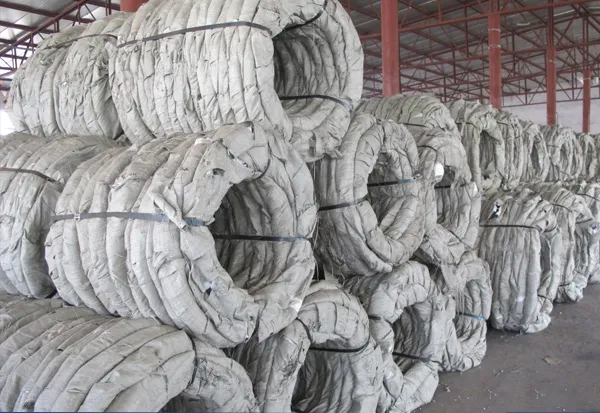
No. 9 galvanized wire is a crucial fastening and binding material extensively used across diverse industries, including agriculture, construction, manufacturing, and security. Defined by its diameter – approximately 3.96mm (0.156 inches) – it distinguishes itself within the galvanized steel wire family. The galvanization process, a critical component of its manufacturing, involves coating the steel core with a protective layer of zinc. This zinc coating provides superior corrosion resistance compared to bare steel, extending the wire’s lifespan and usability in harsh environments. Its primary function centers on providing robust and reliable security, support, and binding solutions. Understanding its material composition, manufacturing processes, performance characteristics, and potential failure modes is paramount for effective application and longevity. The core pain point in the industry centers around maintaining consistent zinc coating thickness, ensuring long-term corrosion protection while managing material costs.
Material Science & Manufacturing
The foundation of No. 9 galvanized wire lies in its raw material: low-carbon steel, typically SAE 1008 or similar grades. This steel possesses sufficient ductility for wire drawing and forming operations. The key chemical constituents influencing its properties include carbon (0.08%), manganese (0.30-0.60%), phosphorus (≤0.04%), and sulfur (≤0.05%). The manufacturing process commences with steel rod pickling to remove mill scale and surface impurities. This is followed by the wire drawing stage, where the rod is pulled through a series of progressively smaller dies to achieve the desired 3.96mm diameter. Lubrication is crucial during drawing to reduce friction and prevent damage. The drawn wire undergoes annealing to relieve internal stresses induced by the drawing process, enhancing its ductility. The galvanization process, predominantly hot-dip galvanizing, involves immersing the cleaned wire in a molten zinc bath (typically 98% pure zinc) at temperatures around 450-460°C. The wire’s surface reacts with the zinc, forming a series of zinc-iron alloy layers culminating in an outer layer of pure zinc. Controlling the bath temperature, immersion time, and cooling rate are critical parameters for achieving a uniform and adherent zinc coating. Post-galvanization, the wire may undergo passivation treatments to further enhance corrosion resistance, and inspection procedures are implemented to assess coating quality.
Performance & Engineering
The performance of No. 9 galvanized wire is governed by its tensile strength, yield strength, elongation, and corrosion resistance. Typical tensile strength values range from 480-550 MPa, while yield strength falls between 230-300 MPa. Elongation at break is typically 15-25%, indicating adequate ductility. Corrosion resistance is directly linked to the zinc coating thickness, generally specified between 60-80 μm for typical applications. The zinc coating acts as a barrier, preventing the underlying steel from direct exposure to corrosive elements. Furthermore, even if the coating is scratched, zinc provides sacrificial protection (cathodic protection), corroding preferentially to the steel. Engineering applications require careful consideration of load-bearing capacity, fatigue life, and environmental factors. For example, in fencing applications, wire gauge, spacing, and tension are critical parameters to withstand wind loads and prevent sagging. In binding applications, the wire's ability to maintain its shape and tension over time is paramount. Compliance with relevant industry standards (ASTM A641, EN 10244-2) is essential to ensure product quality and performance consistency. Force analysis considerations must include the predicted maximum tensile load, allowing for a substantial safety factor to account for dynamic loads and potential corrosion-induced weakening.
Technical Specifications
| Parameter | Unit | Typical Value | Testing Standard |
|---|---|---|---|
| Diameter | mm | 3.96 | ISO 288-1973 |
| Tensile Strength | MPa | 480-550 | ASTM A641 |
| Yield Strength | MPa | 230-300 | ASTM A641 |
| Elongation | % | 15-25 | ASTM A641 |
| Zinc Coating Thickness | μm | 60-80 | ASTM B693 |
| Zinc Coating Weight | g/m² | 180-240 | ASTM B693 |
Failure Mode & Maintenance
No. 9 galvanized wire, despite its corrosion resistance, is susceptible to several failure modes. Uniform corrosion occurs over the entire surface due to prolonged exposure to corrosive environments. However, localized corrosion, such as pitting corrosion, is more common, particularly in the presence of chlorides or sulfates. Pitting initiates at defects in the zinc coating and can rapidly penetrate the steel substrate. Galvanic corrosion can occur when the galvanized wire is in contact with dissimilar metals in a conductive environment, accelerating the corrosion of the less noble metal (steel). Mechanical failures include tensile fracturing due to overload, fatigue cracking caused by cyclic loading, and bending fatigue resulting from repeated deformation. Hydrogen embrittlement, though less frequent, can occur during the galvanizing process, leading to delayed cracking. Maintenance strategies focus on preventative measures. Regular inspection for signs of corrosion (rust spots, white rust) is crucial. Applying protective coatings (e.g., paint, grease) to the wire surface can provide an additional barrier against corrosion. In environments with high chloride exposure, consider using thicker zinc coatings or alternative corrosion-resistant materials. Avoid bending the wire excessively, as this can induce fatigue cracking. For damaged areas, localized repair using zinc-rich paint or re-galvanization may be feasible, but complete replacement is often the most reliable solution.
Industry FAQ
Q: What is the significance of the ‘No. 9’ designation, and how does it relate to other wire gauges?
A: The ‘No. 9’ designation refers to the wire diameter, historically defined by a specific wire gauge system. It corresponds to approximately 3.96mm in diameter. Lower numbers indicate larger diameters (e.g., No. 8 is thicker than No. 9), while higher numbers represent thinner wires. Modern specifications often refer to diameter directly in millimeters or inches, but the No. gauge system persists in some industries.
Q: How does the galvanization process impact the ductility of the wire?
A: The hot-dip galvanization process can slightly reduce the ductility of the wire due to the formation of brittle zinc-iron alloy layers at the interface. However, proper annealing after wire drawing and galvanization helps to restore ductility to acceptable levels. The extent of ductility reduction depends on the galvanizing parameters and steel composition.
Q: What are the limitations of relying solely on zinc coating thickness for corrosion protection?
A: While zinc coating thickness is a primary indicator of corrosion resistance, it's not the sole determining factor. Coating uniformity, adhesion, and the presence of defects (e.g., pores, scratches) significantly impact performance. Environmental factors, such as chloride concentration, temperature, and humidity, also play a crucial role. Furthermore, the underlying steel quality affects susceptibility to corrosion.
Q: Can No. 9 galvanized wire be used in direct contact with concrete or treated lumber?
A: Direct contact with concrete or treated lumber can accelerate corrosion. Concrete is alkaline and can disrupt the zinc coating. Treated lumber contains chemicals (e.g., copper-based preservatives) that can cause galvanic corrosion. In such applications, it's recommended to use coated fasteners or incorporate a barrier material to isolate the wire from the concrete or lumber.
Q: What alternative coatings or materials could be considered for superior corrosion resistance compared to galvanization?
A: Several alternatives offer enhanced corrosion protection. Stainless steel wire provides excellent resistance but is considerably more expensive. Epoxy coating over galvanization offers an additional barrier layer. Aluminum coating (aluminizing) provides excellent high-temperature corrosion resistance. Polymer coatings, such as PVC or nylon, can provide good chemical resistance but may sacrifice some mechanical strength.
Conclusion
No. 9 galvanized wire remains a cornerstone material across a broad spectrum of industrial applications due to its robust combination of strength, ductility, and corrosion resistance. Understanding the intricacies of its manufacturing process – from low-carbon steel selection and wire drawing to the critical hot-dip galvanization stage – is paramount for ensuring optimal performance. The performance is profoundly impacted by the control of key parameters such as zinc coating thickness, metallurgical structure, and the presence of defects.
Addressing the inherent potential for failure modes, including localized corrosion, fatigue cracking, and hydrogen embrittlement, necessitates diligent inspection protocols and proactive maintenance strategies. Continuous advancements in coating technologies and materials science will likely lead to further refinements in the performance and longevity of galvanized wire products. Selecting the appropriate wire gauge, coating thickness, and protective measures, aligned with specific environmental and operational demands, will remain crucial for maximizing the return on investment and ensuring long-term reliability.