



Introduction
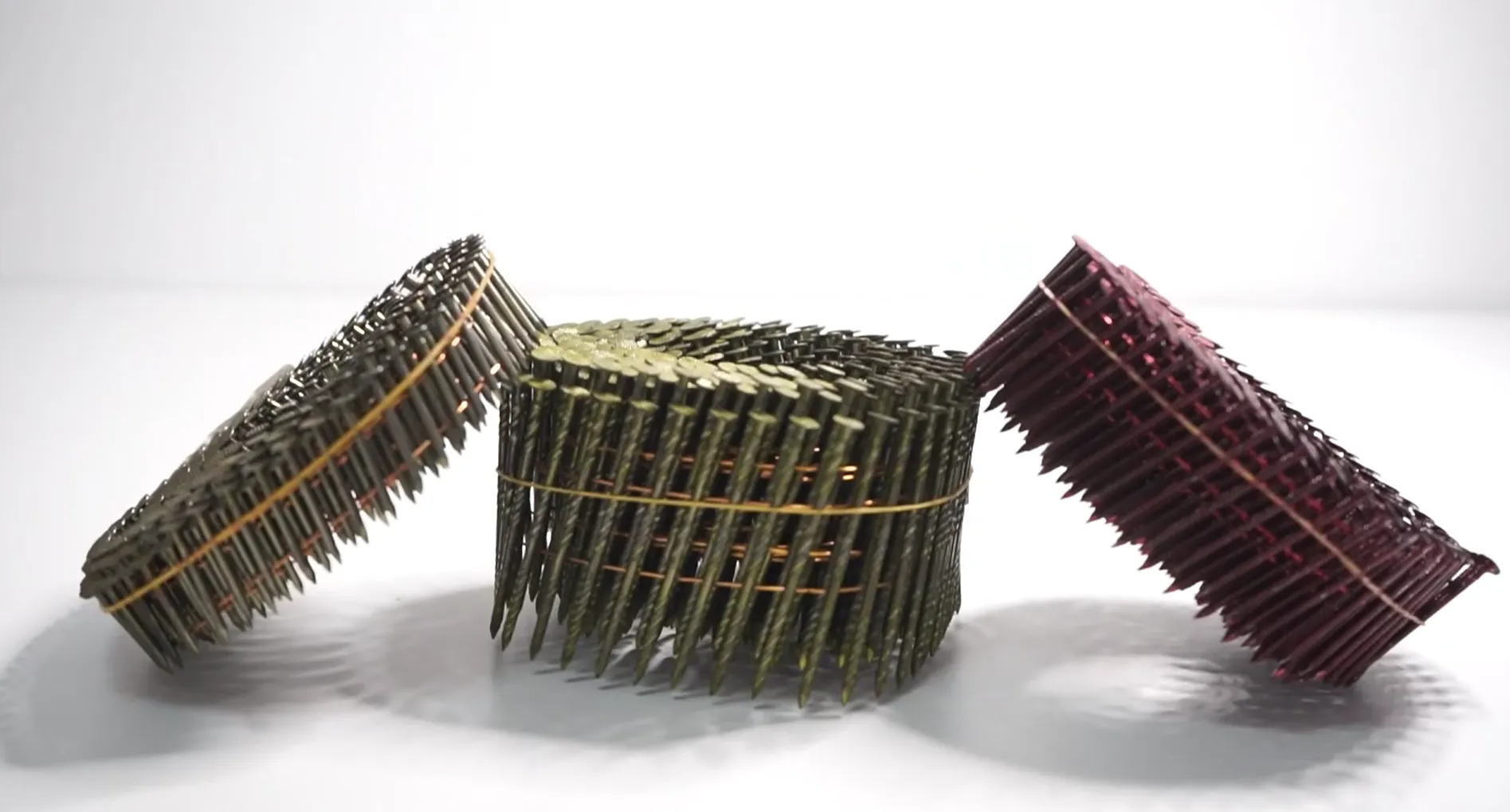
The pure iron nail, a fundamental fastening element, occupies a critical position within the broader construction and manufacturing supply chain. Composed primarily of iron (Fe), with minimal intentionally added alloying elements, it distinguishes itself from steel nails through its distinct metallurgical characteristics and corrosion behavior. While steel nails leverage the strength enhancements from carbon and other alloys, the pure iron nail's utility stems from its malleability, relatively lower cost, and unique applications where corrosion is a desired characteristic, such as sacrificial anodes. Its primary function remains the mechanical joining of materials – typically wood, but also adaptable to other softer materials – through shear and tensile forces. Understanding its material properties, manufacturing processes, performance limitations, and potential failure modes is crucial for engineers, procurement specialists, and end-users alike, particularly given the resurgence of interest in sustainable and biodegradable materials. This guide provides an in-depth technical analysis of the pure iron nail, detailing its complete lifecycle from raw material sourcing to ultimate degradation.
Material Science & Manufacturing
The foundational material for pure iron nails is wrought iron, although modern production increasingly utilizes low-carbon iron produced through direct reduction of iron ore. The raw material’s purity directly impacts the nail’s performance. Iron ore (primarily hematite, Fe₂O₃, and magnetite, Fe₃O₄) undergoes smelting and refining processes to remove impurities such as silica, phosphorus, and sulfur. Historically, wrought iron was produced through puddling, a laborious process involving stirring molten iron in an oxidizing environment. Today, electrolytic refining and vacuum degassing are commonly employed to achieve high purity. Manufacturing begins with rolling the refined iron into wire stock of the desired diameter. This wire is then fed into nail-making machines. The primary manufacturing process is cold heading, where the wire is cut to length and then formed into the nail shape using a series of dies. Key parameters during cold heading include die geometry, feed rate, and lubrication to prevent galling and ensure dimensional accuracy. Heat treatment is typically not applied to pure iron nails, as it can alter the desired ductility and corrosion characteristics. However, surface treatments like phosphatizing may be used to improve paint adhesion or provide temporary corrosion resistance. Dimensional tolerances are critical; variations in nail diameter and head size can significantly affect holding power and impact driving performance. The manufacturing process requires meticulous control of iron composition (typically >99% Fe), wire drawing speed, and die maintenance to maintain consistent product quality. Residual stresses introduced during cold forming are generally low due to the inherent ductility of pure iron, but they can contribute to stress corrosion cracking in certain environments.
Performance & Engineering
The performance of a pure iron nail is dictated primarily by its tensile strength, shear strength, and corrosion resistance. Compared to steel nails, pure iron exhibits lower tensile strength (typically around 400-500 MPa) and yield strength (around 200-300 MPa). This necessitates careful consideration of the load-bearing requirements of the application. Force analysis reveals that nails primarily resist withdrawal forces through friction between the nail shaft and the surrounding material, as well as shear forces at the point of penetration. The nail’s shank diameter and length are key parameters in determining its withdrawal resistance. Environmental resistance is a defining characteristic of pure iron. Unlike steel, which forms a relatively stable oxide layer (rust), pure iron undergoes a more continuous corrosion process. This corrosion product, primarily iron oxides and hydroxides, is often less adherent and can lead to gradual degradation of the nail. However, this corrosion is non-passivating, meaning it doesn’t form a protective layer that completely halts the process, making it useful in applications where sacrificial corrosion is required. Compliance requirements are typically less stringent for pure iron nails compared to steel nails used in structural applications. However, certain applications, such as those involving food contact or marine environments, may require specific certifications regarding material composition and corrosion resistance. The nail’s geometry (shank diameter, point angle, head shape) also influences its driving performance, minimizing splitting of the wood and maximizing holding power.
Technical Specifications
| Parameter | Unit | Typical Value | Test Standard |
|---|---|---|---|
| Tensile Strength | MPa | 450-550 | ASTM F1667 |
| Yield Strength | MPa | 220-300 | ASTM F1667 |
| Elongation | % | 15-25 | ASTM F1667 |
| Shear Strength | MPa | 300-400 | ASTM F1667 |
| Corrosion Rate | mm/year | 0.5-2.0 (depending on environment) | ASTM G1 |
| Iron Purity | % | >99.0 | ASTM E24 |
Failure Mode & Maintenance
Pure iron nails are susceptible to several failure modes, primarily driven by corrosion and mechanical stress. Corrosion is the most prevalent failure mechanism. The formation of iron oxides (rust) weakens the nail shaft, reducing its cross-sectional area and ultimately leading to brittle fracture under load. The rate of corrosion is significantly influenced by environmental factors such as humidity, salinity, and the presence of corrosive agents (e.g., chlorides). Another failure mode is fatigue cracking, especially in applications subjected to repeated loading and unloading. Cyclic stress, even below the yield strength, can initiate microcracks that propagate over time, leading to eventual failure. Stress corrosion cracking can occur in the presence of tensile stress and corrosive environments. Hydrogen embrittlement, where hydrogen atoms diffuse into the iron lattice, can also contribute to brittle fracture. Delamination is less common in pure iron nails compared to composite materials, but surface pitting corrosion can create localized stress concentrations that promote crack initiation. Maintenance, in the context of pure iron nails, is generally limited to periodic inspection for signs of corrosion. Protective coatings (e.g., paint, varnish) can be applied to slow down the corrosion process, but they require regular reapplication. In sacrificial corrosion applications, the nail is intentionally allowed to corrode, so maintenance focuses on monitoring the corrosion rate and replacing the nail when it has served its purpose. Preventative measures include selecting nails of appropriate size and material for the intended application, avoiding exposure to highly corrosive environments, and ensuring proper ventilation to reduce humidity.
Industry FAQ
Q: What are the key differences between a pure iron nail and a steel nail in terms of corrosion behavior?
A: Steel nails, containing carbon and other alloying elements, form a relatively stable passive oxide layer (rust) that slows down further corrosion. Pure iron nails, however, undergo a more continuous corrosion process, forming less adherent oxide layers. While steel corrosion can be localized, pure iron corrodes more uniformly. This makes pure iron nails unsuitable for long-term structural applications but advantageous in sacrificial corrosion scenarios.
Q: How does the purity of the iron affect the nail’s performance?
A: Higher iron purity generally results in improved ductility and reduced susceptibility to certain forms of corrosion. However, even small amounts of impurities can significantly affect the nail’s mechanical properties and corrosion resistance. Stringent quality control during the manufacturing process is crucial to ensure consistent purity.
Q: Are pure iron nails suitable for exterior applications exposed to the elements?
A: Generally, no. Pure iron nails corrode relatively quickly in exposed environments. While they can be used for temporary fastening or in applications where corrosion is not a concern, protective coatings or alternative materials (e.g., galvanized steel, stainless steel) are recommended for long-term exterior use.
Q: What is the typical load-bearing capacity of a common pure iron nail (e.g., 8d nail)?
A: The load-bearing capacity of an 8d pure iron nail is significantly lower than that of a comparable steel nail. The shear strength is typically around 150-200 lbs, and the withdrawal resistance depends heavily on the wood species and nail orientation. Engineering calculations should always be performed to ensure adequate safety margins.
Q: In what specific applications might a pure iron nail be preferred over a steel nail?
A: Pure iron nails find niche applications where their unique properties are advantageous. These include use as sacrificial anodes in cathodic protection systems, temporary fastening in woodworking projects where a rustic aesthetic is desired, and certain historical restoration projects where maintaining authenticity is paramount. They are also used in applications where the controlled corrosion is desired rather than prevented.
Conclusion
The pure iron nail, despite its lower strength compared to its steel counterpart, remains a relevant fastening element due to its unique corrosion characteristics and specialized applications. Its performance is intrinsically linked to the purity of the iron, the precision of the manufacturing process, and the environmental conditions it is exposed to. Understanding the material science underpinning its behavior—specifically its susceptibility to corrosion and lower mechanical strength—is paramount for informed engineering design and procurement decisions.
Looking ahead, research into surface treatments and alloying additions (while maintaining the "pure iron" designation through minimal additions) could potentially enhance the nail’s corrosion resistance and mechanical properties without compromising its unique benefits. Furthermore, a growing emphasis on sustainable materials may lead to a resurgence in the use of pure iron nails in environmentally sensitive applications, particularly where biodegradability is a key consideration. Continued adherence to stringent quality control standards during manufacturing and a thorough understanding of the nail’s limitations will ensure its continued efficacy in its specialized roles.