



Introduction
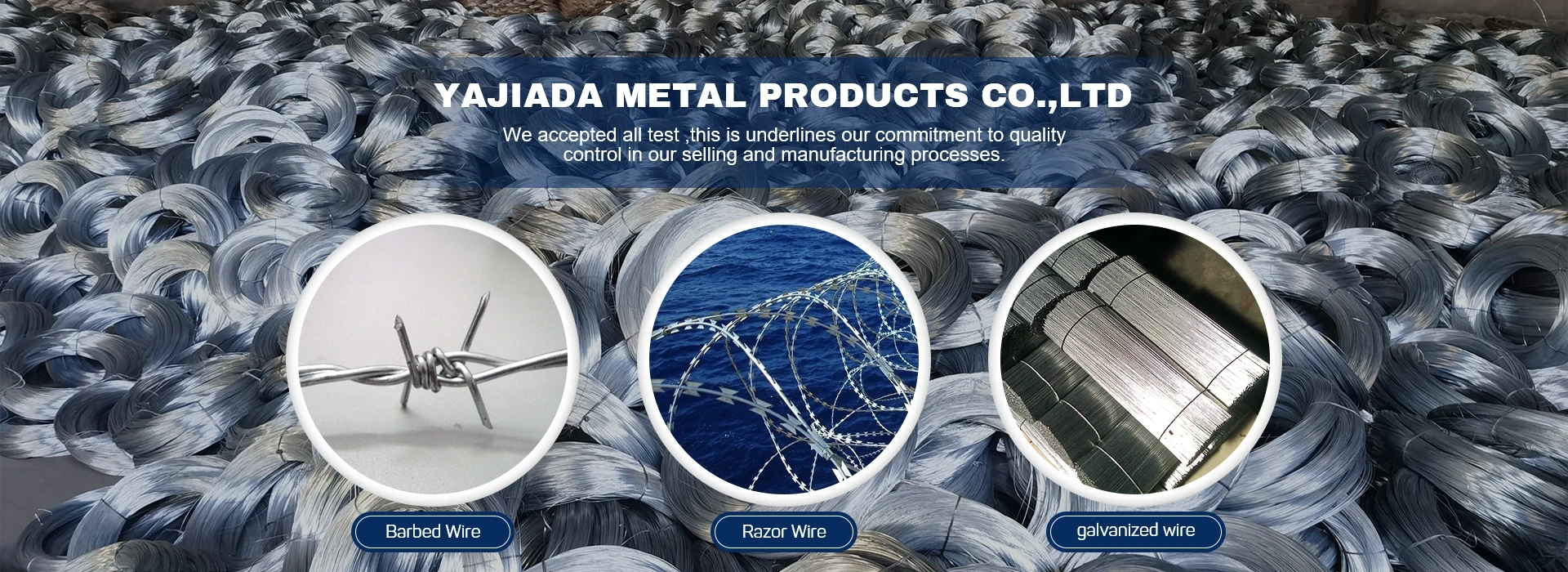
Soft annealed iron wire is a ferrous metal product characterized by its ductility and low tensile strength, achieved through a controlled heating and slow cooling process. It occupies a critical position in a diverse range of industrial applications, acting as a foundational material in construction, agriculture, handicrafts, and as a precursor for more complex components. The wire is commonly produced from low-carbon steel, typically containing less than 0.08% carbon, to maximize malleability. Its primary performance characteristics – formability, weldability, and corrosion resistance (though limited) – dictate its suitability for binding, tying, crafting, and various engineering applications where high strength is not a primary requirement. A key industrial pain point revolves around maintaining consistent annealing quality to ensure reliable performance, specifically addressing variations in ductility and potential for hydrogen embrittlement during the process.
Material Science & Manufacturing
The raw material for soft annealed iron wire is typically low-carbon steel, with iron (Fe) comprising the majority of the composition. Impurities such as manganese (Mn, up to 1.0%), silicon (Si, up to 0.5%), phosphorus (P, less than 0.04%), and sulfur (S, less than 0.05%) are present, influencing weldability and ductility. The manufacturing process begins with hot rolling the steel billet into wire rod. This rod is then subjected to pickling, utilizing hydrochloric or sulfuric acid solutions to remove surface oxides (scale) formed during hot rolling. Following pickling, the wire is coated with a protective lubricant, typically comprising lime, tallow, and borax, to prevent oxidation during the annealing process. Annealing is the critical step, involving heating the wire to a temperature between 550-650°C, held for a specified duration (typically several hours, dependent on wire diameter and desired ductility), and then slowly cooled. Controlled cooling rate is paramount; rapid cooling can result in a harder, less ductile wire. The final stage involves winding the annealed wire onto spools for ease of handling and transportation. Key parameter control includes maintaining consistent furnace temperature uniformity, precise cooling rates, and optimal lubricant composition to prevent surface defects.
Performance & Engineering
The performance of soft annealed iron wire is fundamentally dictated by its mechanical properties. Tensile strength typically ranges from 300-400 MPa, while yield strength is considerably lower, around 150-250 MPa. Elongation, a measure of ductility, is typically greater than 20%, indicating its ability to be drawn into finer gauges without fracturing. Force analysis reveals that the wire’s primary load-bearing capacity is derived from its tensile strength, although its low strength limits its application in high-stress environments. Environmental resistance is limited; iron is susceptible to corrosion, forming iron oxides (rust) in the presence of moisture and oxygen. Protective coatings, such as galvanization (zinc coating) or polymer coatings, are often applied to enhance corrosion resistance. Compliance requirements vary by application; for agricultural use, adherence to regional standards regarding wire gauge and zinc coating thickness is crucial. In applications requiring electrical conductivity (e.g., grounding), the wire's resistance per unit length must meet specified thresholds. The wire’s formability is exploited in applications such as tying rebar in construction, creating mesh for fencing, and crafting various wire structures.
Technical Specifications
| Parameter | Typical Value | Test Method | Unit |
|---|---|---|---|
| Tensile Strength | 350 | ASTM A610 | MPa |
| Yield Strength | 200 | ASTM A610 | MPa |
| Elongation | 25 | ASTM A610 | % |
| Diameter | 1.6 | ISO 9352 | mm |
| Zinc Coating Thickness (if galvanized) | 60 | ASTM B693 | µm |
| Carbon Content | 0.06 | ASTM E415 | % |
Failure Mode & Maintenance
Soft annealed iron wire is susceptible to several failure modes. Corrosion is a primary concern, leading to a reduction in cross-sectional area and eventual fracture, particularly in humid environments. Hydrogen embrittlement can occur during the pickling process if the steel contains susceptible microstructures, leading to brittle fracture under tensile stress. Fatigue cracking can initiate at surface defects or bends, propagating under cyclic loading. Localized corrosion, such as pitting, can accelerate failure in the presence of chlorides. Maintenance primarily focuses on preventative measures. For galvanized wire, regular inspection for zinc coating damage is crucial; damaged areas should be re-coated with zinc-rich paint. Avoiding bending the wire beyond its yield point minimizes the risk of fatigue cracking. Proper storage in a dry environment mitigates corrosion. If the wire is used in a corrosive environment, considering alternative materials (e.g., stainless steel) or applying more robust protective coatings is essential. Failure analysis should involve microscopic examination of fracture surfaces to determine the root cause of failure – whether it's corrosion, embrittlement, or fatigue.
Industry FAQ
Q: What is the impact of varying carbon content on the annealing process and final wire properties?
A: Higher carbon content, even within the "low carbon" range, increases the steel’s hardenability and reduces its ductility. This necessitates a longer annealing time and slower cooling rate to achieve the desired softness and formability. Conversely, lower carbon content results in easier annealing but may lead to lower tensile strength.
Q: How does the lubricant composition during annealing affect the surface finish and corrosion resistance of the wire?
A: The lubricant creates a protective barrier preventing oxidation during heating. An inadequate or unevenly applied lubricant can lead to scale formation, resulting in a rough surface finish and reduced corrosion resistance. Borax in the lubricant contributes to the formation of a protective glassy layer.
Q: What are the specific concerns regarding hydrogen embrittlement during pickling and how can it be mitigated?
A: Hydrogen atoms generated during the pickling process can diffuse into the steel lattice, reducing its ductility and promoting brittle fracture, particularly under stress. Mitigation strategies include using pickling inhibitors, controlling the pickling temperature, and implementing a post-pickling baking treatment to drive out the hydrogen.
Q: What quality control measures are crucial for ensuring consistent wire diameter throughout a production run?
A: Continuous diameter monitoring using laser micrometers is essential. Regular checks of die wear and alignment are critical, as these directly impact wire diameter. Precise control of drawing speed and tension also contribute to consistent dimensions. Statistical Process Control (SPC) should be implemented to identify and address process variations.
Q: What is the difference between fully annealed and process annealed wire, and how does this impact their applications?
A: Fully annealed wire undergoes a slower cooling process resulting in maximum softness and ductility, ideal for applications requiring significant forming. Process annealed wire has a slightly faster cooling rate, offering a balance between softness and strength, suitable for applications where some level of rigidity is needed, like certain types of mesh.
Conclusion
Soft annealed iron wire remains a versatile and essential material across numerous industries, leveraging its inherent ductility and ease of manipulation. However, achieving consistent performance necessitates meticulous control over the entire manufacturing process – from raw material selection and pickling procedures to the critical annealing cycle and final surface treatment. Understanding the potential failure modes, particularly corrosion and hydrogen embrittlement, is crucial for ensuring long-term reliability.
Future advancements may focus on developing more effective protective coatings and refining annealing processes to further minimize the risk of hydrogen embrittlement. Furthermore, exploring alternative pickling methods that reduce hydrogen absorption could enhance the overall quality and durability of soft annealed iron wire. Continued adherence to industry standards and rigorous quality control will remain paramount for maintaining the integrity and performance of this foundational material.