



Introduction
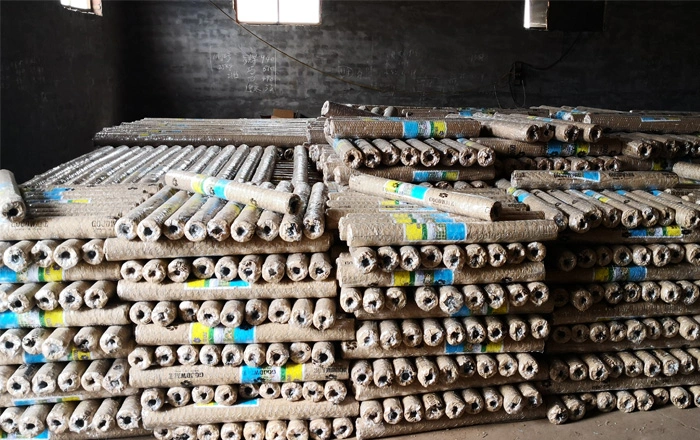
Soft galvanized wire is a ferrous material, typically low carbon steel, coated with a layer of zinc through a hot-dip galvanization process. Its position within the industrial chain is as a foundational component for numerous downstream applications, ranging from agriculture and construction to telecommunications and security. The galvanization process imparts corrosion resistance, significantly extending the service life of the steel substrate. Core performance characteristics include ductility, tensile strength (dependent on wire gauge), formability, and resistance to atmospheric corrosion. Unlike harder, drawn galvanized wires, soft galvanized wire prioritizes pliability, making it ideal for applications requiring easy bending and manipulation. This technical guide will detail the material science, manufacturing processes, performance characteristics, potential failure modes, and industry standards associated with soft galvanized wire.
Material Science & Manufacturing
The base material for soft galvanized wire is typically low-carbon steel, commonly SAE 1008 or similar grades, chosen for its inherent ductility and weldability. The steel composition consists primarily of iron, with trace amounts of manganese, phosphorus, and sulfur. The zinc coating is applied via hot-dip galvanization, where the steel wire is submerged in a molten zinc bath (typically 98% pure zinc) maintained at approximately 450°C (842°F). This process forms a metallurgical bond between the zinc and the steel, creating a series of zinc-iron alloy layers followed by a pure zinc outer layer. Critical manufacturing parameters include steel surface preparation – removal of mill scale and rust via pickling with hydrochloric or sulfuric acid – and precise control of immersion time and cooling rates. Immersion time dictates coating thickness. Rapid cooling can induce thermal stress, potentially leading to coating defects. Post-galvanization, the wire undergoes a finishing process, often including lubrication with a light oil to prevent white rust formation (zinc oxide) during storage and handling. The chemical compatibility of the zinc coating is crucial; contact with dissimilar metals in the presence of an electrolyte can accelerate galvanic corrosion. The steel's microstructure, predominantly ferrite-pearlite, contributes to its ductility but also dictates its susceptibility to stress corrosion cracking in specific environments.
Performance & Engineering
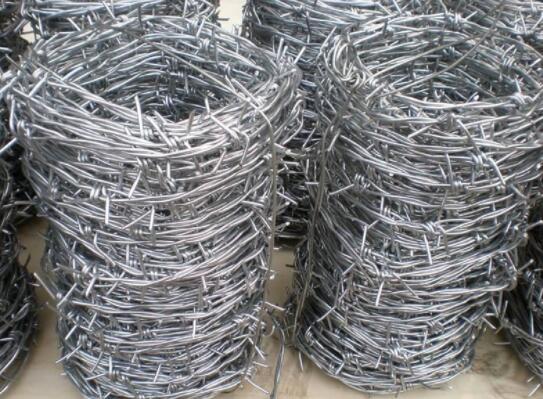
The mechanical performance of soft galvanized wire is characterized by its tensile strength, elongation, and yield strength. Tensile strength varies with wire gauge, ranging from approximately 350-550 MPa (50,000 – 80,000 psi). Elongation typically exceeds 10%, indicating good ductility. Yield strength is generally lower than tensile strength, reflecting the material’s susceptibility to plastic deformation. From an engineering perspective, the zinc coating provides sacrificial corrosion protection; the zinc corrodes preferentially, protecting the underlying steel. The rate of zinc corrosion is influenced by environmental factors such as humidity, temperature, and the presence of pollutants (sulfur dioxide, chlorides). Force analysis in applications involving bending and tying necessitates considering the wire's bending radius and potential for work hardening. Repeated bending can reduce ductility and increase the risk of fracture. Compliance requirements often mandate specific coating thicknesses (measured in mass per unit area, e.g., g/m²) to meet defined corrosion resistance standards. Furthermore, the wire's surface finish is important for applications involving friction, such as in tying and binding. The galvanization process provides a consistent, uniform coating, minimizing surface irregularities that could lead to increased wear or abrasion.
Technical Specifications
| Gauge (AWG) | Tensile Strength (MPa) | Zinc Coating Thickness (µm) | Elongation (%) |
|---|---|---|---|
| 14 | 400-450 | 45-55 | 12-15 |
| 16 | 350-400 | 35-45 | 10-13 |
| 18 | 300-350 | 25-35 | 8-11 |
| 20 | 250-300 | 15-25 | 6-9 |
| 22 | 200-250 | 10-15 | 5-8 |
| 24 | 150-200 | 5-10 | 4-6 |
Failure Mode & Maintenance
Common failure modes for soft galvanized wire include corrosion, fatigue cracking, and mechanical breakage. Corrosion, even with the zinc coating, can occur over time, especially in harsh environments. Localized corrosion, such as pitting, can initiate at defects in the coating or areas of stress concentration. Fatigue cracking can occur in applications involving repeated bending or flexing. The crack initiates at surface flaws and propagates under cyclic loading. Mechanical breakage can result from exceeding the wire's tensile strength or from impact damage. White rust formation on the surface is a common aesthetic issue, but it typically does not significantly impair structural integrity unless it is severe and widespread. Maintenance strategies include regular inspection for signs of corrosion or damage, application of protective coatings (e.g., zinc-rich paints) to damaged areas, and replacement of wires exhibiting significant corrosion or cracking. Preventative measures include proper storage to minimize exposure to moisture and corrosive elements, and avoiding contact with dissimilar metals. Furthermore, minimizing sharp bends and avoiding excessive stress during installation can help prevent fatigue cracking. Galvanic corrosion can be mitigated by using compatible materials or implementing isolation techniques (e.g., dielectric barriers).
Industry FAQ
Q: What is the typical lifespan of soft galvanized wire in an outdoor agricultural application?
A: The lifespan varies significantly based on environmental conditions (humidity, salinity, pollution levels). In relatively benign environments, a lifespan of 5-10 years is typical. However, in coastal regions or areas with high industrial pollution, the lifespan can be reduced to 2-5 years. Regular inspection and maintenance are crucial to maximizing service life.
Q: How does the annealing process affect the properties of the steel before galvanization?
A: Annealing, a heat treatment process, increases the ductility of the steel, making it easier to bend and form. It reduces internal stresses and improves the uniformity of the material. This is critical for soft galvanized wire as its primary advantage lies in its pliability. However, annealing can slightly reduce tensile strength.
Q: What are the implications of using a wire gauge that is too small for a specific application?
A: Using an undersized wire gauge can lead to premature failure due to exceeding the tensile strength of the wire. This can result in breakage under load or fatigue cracking with repeated stress. It's essential to perform a load calculation to determine the appropriate wire gauge for the intended application.
Q: Can soft galvanized wire be welded? If so, what are the considerations?
A: Yes, soft galvanized wire can be welded, but careful consideration must be given to the zinc coating. The zinc vaporizes during welding, releasing potentially harmful fumes. Proper ventilation is essential. Furthermore, the zinc coating will be removed in the weld area, potentially leading to localized corrosion. Post-weld coating repair may be necessary.
Q: What is the difference between hot-dip galvanization and electrogalvanization for wire applications?
A: Hot-dip galvanization provides a thicker, more durable coating and superior corrosion resistance due to the metallurgical bond formed with the steel. Electrogalvanization results in a thinner, smoother coating but generally offers less corrosion protection. Hot-dip galvanization is preferred for outdoor applications requiring long-term corrosion resistance, while electrogalvanization is often used for decorative or less demanding applications.
Conclusion
Soft galvanized wire remains a critical material in diverse industrial sectors due to its combination of ductility, corrosion resistance, and cost-effectiveness. The hot-dip galvanization process imparts essential protective properties, extending the service life of the steel substrate. Understanding the material science, manufacturing parameters, and potential failure modes is crucial for selecting the appropriate wire gauge and implementing effective maintenance strategies. Proper application and adherence to relevant industry standards are paramount to ensuring optimal performance and longevity.
Future advancements in coating technologies may lead to further improvements in corrosion resistance and durability. Research into alternative coating materials and innovative surface treatments could offer enhanced performance characteristics. Moreover, continued refinement of quality control procedures during the manufacturing process will be essential for maintaining consistency and reliability. The enduring utility of soft galvanized wire rests on its ability to meet evolving industrial demands while providing a dependable and economical solution for a wide range of applications.