



Introduction
Stainless coil nails represent a specialized fastening solution utilized extensively in construction, woodworking, and industrial applications requiring corrosion resistance. These nails are formed from stainless steel wire, coiled for efficient feeding into pneumatic or electric nail guns. Their primary technical position within the fastening industry chain lies between traditional carbon steel nails and more specialized fastening systems like screws or rivets, offering a balance of speed, cost-effectiveness, and durability in corrosive environments. Core performance characteristics center around shear strength, tensile strength, corrosion resistance (determined by alloy composition), and consistent nail formation for reliable driving. Unlike carbon steel nails prone to rust and staining, stainless coil nails provide long-term integrity, particularly when exposed to moisture, chemicals, or outdoor conditions. This makes them critical in applications such as decking, siding, roofing, and marine construction where longevity and aesthetic appearance are paramount. The industry faces challenges related to material cost fluctuations and the need to specify the correct stainless steel grade for a given environment to maximize service life and avoid premature failure.
Material Science & Manufacturing
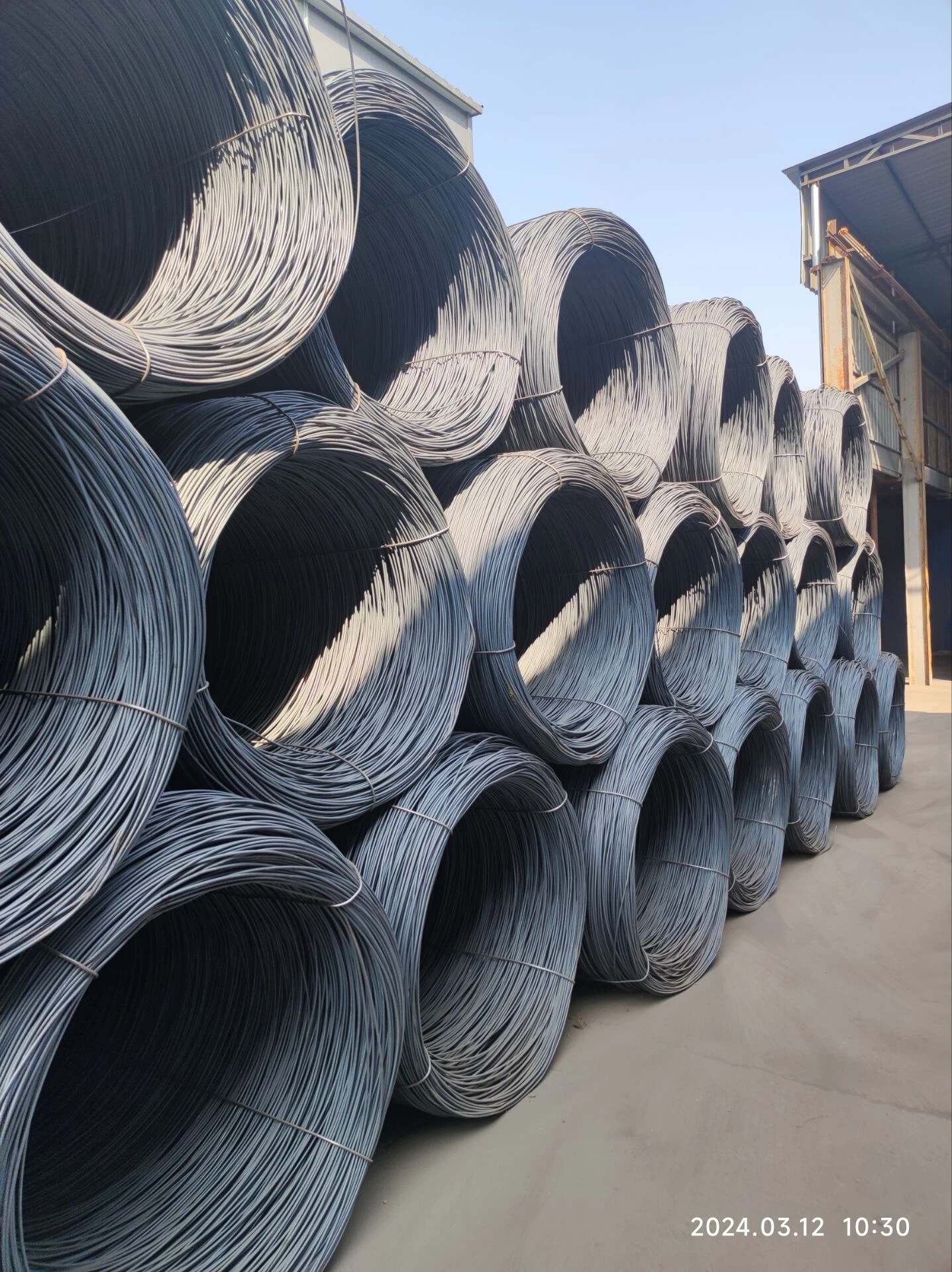
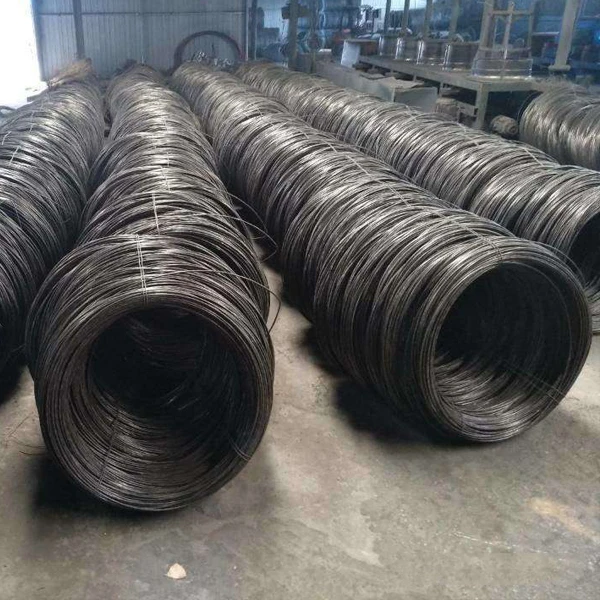
The core material for stainless coil nails is austenitic stainless steel, most commonly grades 304 and 316. Grade 304 (UNS S30400) boasts a nominal composition of 18% chromium and 8% nickel, providing excellent corrosion resistance in many environments. Grade 316 (UNS S31600), containing 16% chromium, 10% nickel, and 2-3% molybdenum, offers superior resistance to chloride corrosion – vital in marine or coastal applications. The raw material is typically sourced as cold-drawn wire. Key physical properties include a density of approximately 8.0 g/cm³, a tensile strength ranging from 500-700 MPa depending on the grade and cold working, and an elongation percentage of 30-50%. Manufacturing begins with wire drawing to achieve the desired diameter, followed by heading to form the nail head. The critical parameter here is consistent head geometry to ensure reliable feeding and seating within the nail gun. Coiling is then performed under controlled tension to maintain the wire’s mechanical properties and prevent kinking. Quality control involves dimensional checks (diameter, head size, point sharpness), material verification via chemical analysis (XRF spectrometry), and hardness testing to confirm appropriate mechanical strength. Surface finish is also important; a smooth, consistent surface minimizes friction during driving and maximizes corrosion resistance. Improper annealing or excessive cold working can lead to hydrogen embrittlement, reducing ductility and increasing the risk of brittle fracture.
Performance & Engineering
The performance of stainless coil nails is dictated by several engineering considerations. Shear strength, critical for resisting lateral forces, is primarily dependent on the nail’s shank diameter and the stainless steel grade. Tensile strength, important for resisting pull-out forces, is influenced by the nail length and shank geometry. Force analysis during driving involves modeling the impact force of the nail gun, the material resistance of the nail, and the holding power within the substrate. Environmental resistance is paramount. Chloride exposure leads to pitting corrosion in 304 stainless, necessitating the use of 316 in marine environments. Exposure to acidic conditions can also compromise performance, requiring careful alloy selection. Compliance requirements vary by region but typically involve testing to ASTM standards (e.g., ASTM F1667 for corrosion resistance, ASTM F34 for shear strength). Furthermore, building codes often dictate nail spacing and penetration depth based on structural load requirements. The nail’s point geometry (e.g., diamond point, blunt point) significantly affects driving efficiency and the potential for splitting the substrate. Proper nail gun pressure and angle are also critical; exceeding recommended parameters can lead to bent nails or insufficient penetration. Fatigue performance is an often-overlooked aspect. Cyclic loading, particularly in applications subject to vibration or wind loading, can lead to fatigue cracking at the nail head or shank.
Technical Specifications
| Parameter | Grade 304 | Grade 316 | Unit |
|---|---|---|---|
| Tensile Strength (Ultimate) | 550-700 | 500-650 | MPa |
| Shear Strength (Minimum) | 300 | 280 | MPa |
| Corrosion Resistance (Salt Spray Test) | >1000 | >2000 | Hours |
| Hardness (Rockwell C) | 85-95 | 85-95 | |
| Elongation at Break | 35-50 | 30-45 | % |
| Typical Shank Diameter | 2.1 - 3.4 | 2.1 - 3.4 | mm |
Failure Mode & Maintenance
Common failure modes for stainless coil nails include corrosion-induced failure, bending or breaking during driving, and pull-out. Corrosion manifests as pitting or crevice corrosion, particularly in chloride-rich environments if the incorrect grade (304 instead of 316) is used. Bending or breaking typically results from exceeding the nail gun's pressure limits, using incorrect nail gun settings, or encountering knots or dense wood. Pull-out occurs when the nail’s shank is insufficient to resist the applied load, or if the substrate material is weak. Hydrogen embrittlement, though less common, can lead to brittle fracture, particularly in high-strength nails exposed to hydrogen sulfide. Maintenance primarily focuses on preventing failure. Proper storage in a dry environment is crucial to prevent rust formation on the nail surface. Regular inspection of nail guns to ensure correct pressure settings and proper functioning is essential. For applications requiring maximum corrosion resistance, applying a protective coating (e.g., epoxy) to the nail shank before driving can further extend service life. Post-installation, periodic visual inspections can identify signs of corrosion or loosening, allowing for timely replacement. If corrosion is observed, the nails should be replaced with the appropriate grade (316) or a more corrosion-resistant fastening system. Furthermore, ensuring adequate nail penetration into the substrate is critical to maximizing holding power and preventing pull-out.
Industry FAQ
Q: What is the difference between 304 and 316 stainless steel coil nails, and when should I use each?
A: Grade 304 stainless steel provides excellent corrosion resistance in general atmospheric conditions, making it suitable for interior applications and exterior uses where chloride exposure is minimal. Grade 316, with its added molybdenum content, offers significantly superior resistance to chloride corrosion, making it ideal for marine environments, coastal areas, or applications involving de-icing salts. Choosing the correct grade is crucial to prevent premature failure.
Q: How do I determine the correct nail length and diameter for my application?
A: Nail length should typically be three times the thickness of the material being fastened. Diameter selection depends on the load-bearing requirements and the density of the substrate. Higher loads require larger diameter nails. Consult relevant building codes and engineering guidelines for specific recommendations. It’s always best to err on the side of a slightly longer and thicker nail for increased holding power.
Q: What causes bending or breaking of stainless coil nails during driving?
A: Bending or breaking is usually caused by excessive force from the nail gun, incorrect nail gun settings (too high pressure), encountering a hard knot in the wood, or using a nail gun not designed for the nail’s diameter. Verify the nail gun's specifications and adjust pressure accordingly. Ensure the substrate material is free of obstructions.
Q: Can stainless coil nails be used with pressure-treated lumber?
A: Yes, stainless steel is generally compatible with pressure-treated lumber. However, older pressure treatment formulations containing copper arsenate could cause corrosion. Modern formulations utilizing alkaline copper quaternary (ACQ) are less aggressive, but it’s still recommended to use 316 stainless steel for optimal long-term performance when fastening to pressure-treated wood, particularly in exterior applications.
Q: What are the common causes of pull-out failure with stainless coil nails?
A: Pull-out failure can occur due to insufficient nail penetration, using nails that are too short for the application, or fastening into weak or deteriorated substrate material. Ensure the nail penetrates at least two-thirds of the way through the receiving material. Use the appropriate nail length and diameter for the load-bearing requirements and substrate characteristics.
Conclusion
Stainless coil nails offer a robust and durable fastening solution, particularly where corrosion resistance is paramount. The selection of the appropriate stainless steel grade (304 or 316) is a critical engineering decision, directly impacting the long-term performance and lifespan of the fastened assembly. Understanding the interplay between material properties, manufacturing processes, and application-specific requirements is vital for maximizing the benefits of this fastening technology.
Future developments in stainless coil nail technology may include improved alloy compositions with enhanced corrosion resistance, optimized nail point geometries for increased driving efficiency, and the integration of smart sensor technology for real-time monitoring of fastener integrity. Proper storage, nail gun maintenance, and regular inspections are essential for preventing premature failure and ensuring the continued reliability of stainless coil nail installations.