



Introduction
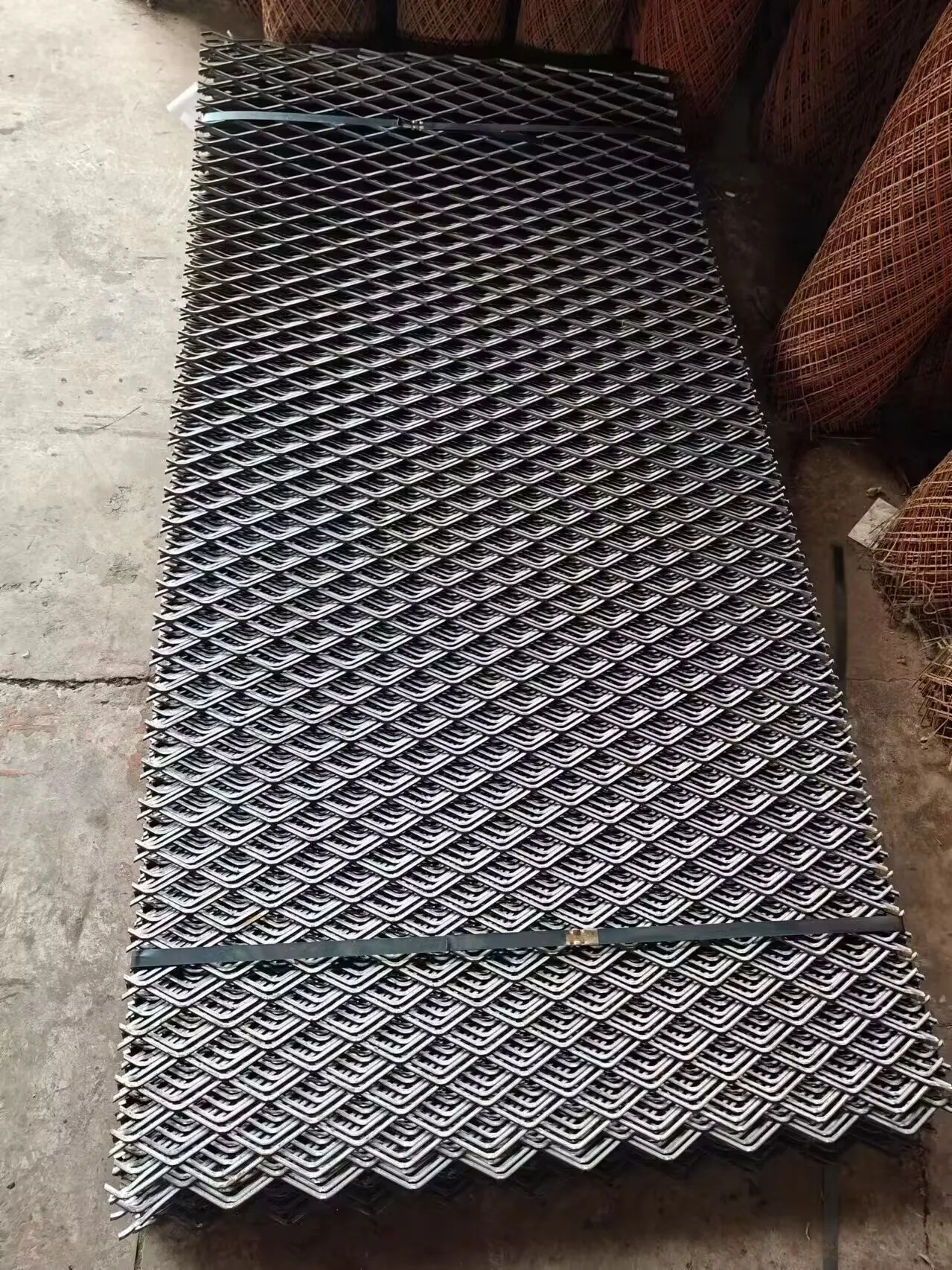
Straight cut iron wire, produced from ferrous metal, represents a fundamental material in a diverse range of industrial applications. Positioned as a commodity material within the broader metals supply chain, it serves as a precursor to more complex components and finished goods. Its technical significance stems from its inherent tensile strength, weldability, and cost-effectiveness. This guide provides a comprehensive technical overview of straight cut iron wire, covering its material science, manufacturing processes, performance characteristics, potential failure modes, and relevant industry standards. A core industry pain point addressed is maintaining consistent material properties and surface quality to ensure reliable performance in downstream processes, such as welding, forming, and fabrication. Another key concern is corrosion resistance, particularly in environments exposed to moisture and chemicals.
Material Science & Manufacturing
Straight cut iron wire is typically manufactured from low-carbon steel, containing less than 0.25% carbon by weight. The primary raw material is iron ore, refined through processes like blast furnace reduction and subsequent steelmaking. The iron content imparts the wire’s core strength and ductility. Minor alloying elements, such as manganese, silicon, and phosphorus, are frequently added to improve specific properties like tensile strength, weldability, and corrosion resistance. The manufacturing process typically begins with hot rolling of steel billets into wire rod. This is followed by drawing the wire rod through a series of progressively smaller dies, a process known as cold drawing. Cold drawing increases the wire’s tensile strength and improves surface finish. Lubrication is critical during drawing to reduce friction and prevent die wear. Key parameters controlled during manufacturing include die angle, drawing speed, reduction ratio (the amount the wire diameter is reduced with each pass), and lubricant composition. Surface treatment, such as galvanizing or passivation, may be applied to enhance corrosion resistance. Material properties are validated through tensile testing, metallurgical analysis, and surface inspection. The microstructure consists primarily of ferrite and pearlite, the proportions of which are influenced by carbon content and heat treatment. Hydrogen embrittlement is a potential issue during acid pickling, necessitating careful process control.
Performance & Engineering
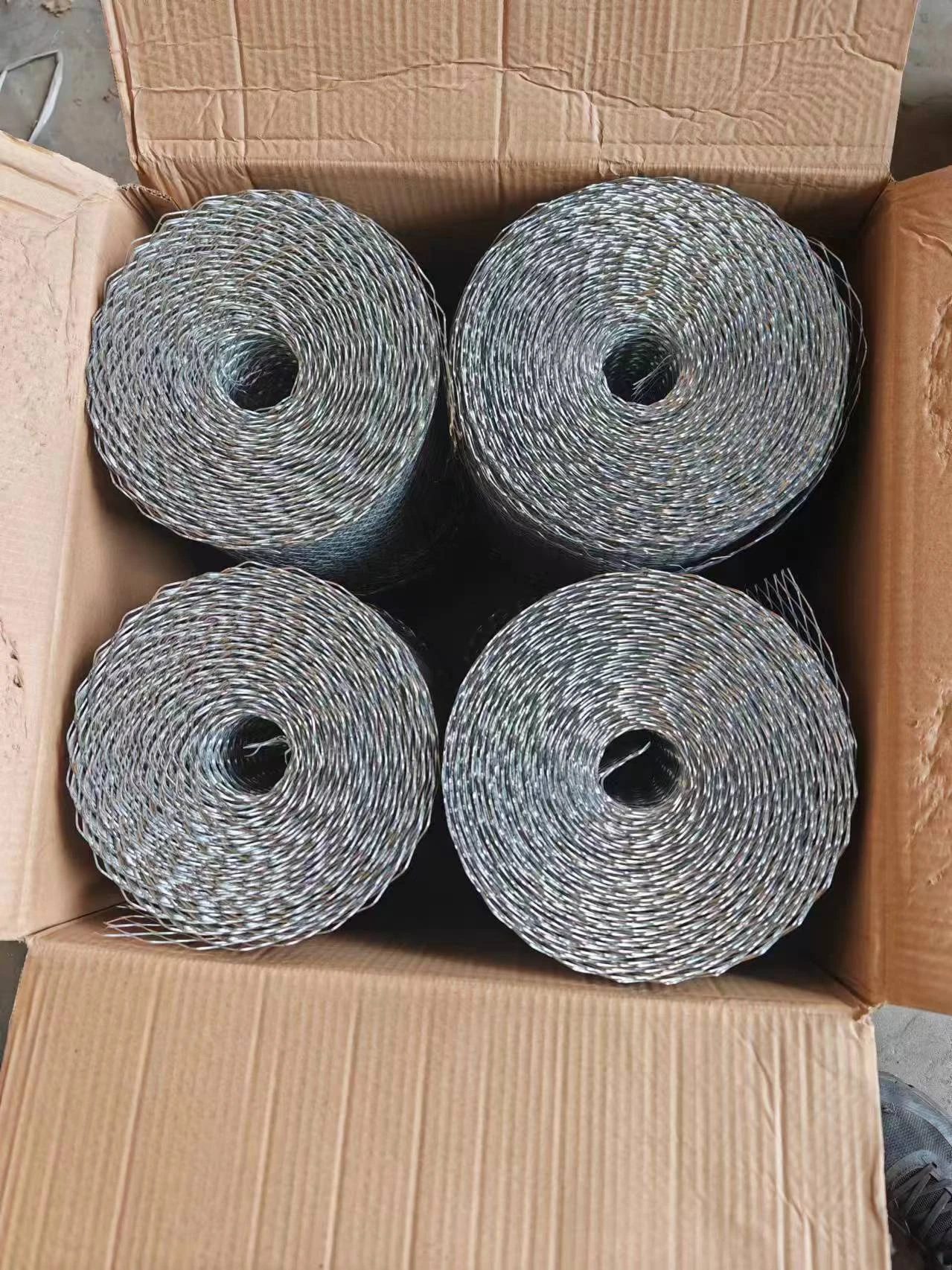
The primary performance characteristic of straight cut iron wire is its tensile strength, typically ranging from 400-550 MPa for low-carbon steel grades. Yield strength is approximately 250-350 MPa. Elongation at break, a measure of ductility, is typically 15-25%. These properties dictate the wire’s load-bearing capacity and its ability to withstand deformation without fracturing. The wire’s performance is also heavily influenced by its environmental resistance. Corrosion, particularly in the presence of chlorides and sulfates, is a significant concern. Galvanizing provides a sacrificial layer of zinc, protecting the underlying iron from corrosion. Engineering applications include welding electrodes, fencing, cable armoring, springs, and reinforcement in concrete. When used in welding, the wire’s chemical composition must be carefully controlled to ensure proper arc stability and weld deposit properties. Force analysis during bending or forming operations is crucial to prevent exceeding the wire's yield strength, which can lead to permanent deformation. Compliance requirements vary depending on the application, with specifications often referencing ASTM standards for material properties and dimensional tolerances.
Technical Specifications
| Diameter (mm) | Tensile Strength (MPa) | Yield Strength (MPa) | Elongation (%) |
|---|---|---|---|
| 1.2 | 450 | 280 | 20 |
| 1.6 | 500 | 320 | 18 |
| 2.0 | 520 | 340 | 16 |
| 2.5 | 550 | 350 | 15 |
| 3.0 | 530 | 330 | 17 |
| 4.0 | 480 | 300 | 22 |
Failure Mode & Maintenance
Common failure modes for straight cut iron wire include tensile fracture, fatigue cracking, and corrosion-induced degradation. Tensile fracture occurs when the applied load exceeds the wire’s ultimate tensile strength. Fatigue cracking results from repeated stress cycles, even below the yield strength, leading to crack initiation and propagation. Corrosion, particularly rust formation, weakens the wire and reduces its load-bearing capacity. Hydrogen embrittlement, caused by the absorption of hydrogen during manufacturing or use, can significantly reduce ductility and increase susceptibility to cracking. Delamination can occur in coated wires if the coating adhesion is poor. Oxidation, a surface phenomenon, contributes to corrosion and reduces the wire's aesthetic appeal. Preventative maintenance involves regular inspection for signs of corrosion, cracking, or deformation. Protective coatings, such as galvanizing, epoxy, or paint, can significantly extend the wire's service life. Proper storage in a dry environment is crucial to prevent corrosion. For applications involving cyclic loading, periodic stress relief annealing can help mitigate fatigue cracking. If cracks are detected, the wire should be replaced immediately. Periodic cleaning to remove dirt and debris can also help prevent corrosion.
Industry FAQ
Q: What is the impact of sulfur content on the weldability of straight cut iron wire?
A: Higher sulfur content generally reduces weldability by increasing the risk of hot cracking in the weld deposit. Sulfur forms low-melting-point compounds that can segregate at grain boundaries, weakening the weld. Wire specifications for welding applications typically limit sulfur content to 0.025% or less.
Q: How does cold drawing affect the microstructure and mechanical properties of the wire?
A: Cold drawing introduces strain hardening, increasing the wire’s tensile strength and yield strength but reducing its ductility. It also refines the grain structure, improving its mechanical properties. The degree of strain hardening depends on the amount of reduction in diameter during drawing.
Q: What are the common methods for assessing the corrosion resistance of galvanized wire?
A: Common methods include salt spray testing (ASTM B117), immersion testing in corrosive solutions, and electrochemical impedance spectroscopy. Salt spray testing provides a standardized method for evaluating the rate of corrosion under accelerated conditions. Immersion testing simulates real-world exposure to specific corrosive environments.
Q: What is the significance of the wire's surface finish?
A: The surface finish impacts several factors. A smoother surface finish reduces friction during downstream processing (e.g., drawing, forming). It also improves coating adhesion and reduces the risk of corrosion initiation. Surface defects, such as scratches or inclusions, can act as stress concentrators, increasing the susceptibility to fatigue cracking.
Q: What are the typical tolerances for the diameter of straight cut iron wire?
A: Typical diameter tolerances range from +/- 0.02 mm to +/- 0.05 mm, depending on the wire diameter and application requirements. Tighter tolerances are required for applications where precise dimensions are critical, such as in the manufacturing of springs or electrical connectors.
Conclusion
Straight cut iron wire remains a vital material across numerous industries due to its balance of cost, strength, and manufacturability. Understanding its material science, manufacturing nuances, and performance limitations is critical for ensuring its reliable use in demanding applications. Consistent quality control throughout the production process, coupled with appropriate surface treatments and preventative maintenance, are essential for maximizing the lifespan and performance of this ubiquitous material.
Future advancements in steel alloying and coating technologies will likely focus on further enhancing corrosion resistance and improving fatigue performance. The development of more sustainable manufacturing processes, reducing energy consumption and waste generation, will also be a key priority. Continued research into the effects of hydrogen embrittlement and novel mitigation strategies will be crucial for ensuring the long-term reliability of straight cut iron wire in critical applications.