



Introduction
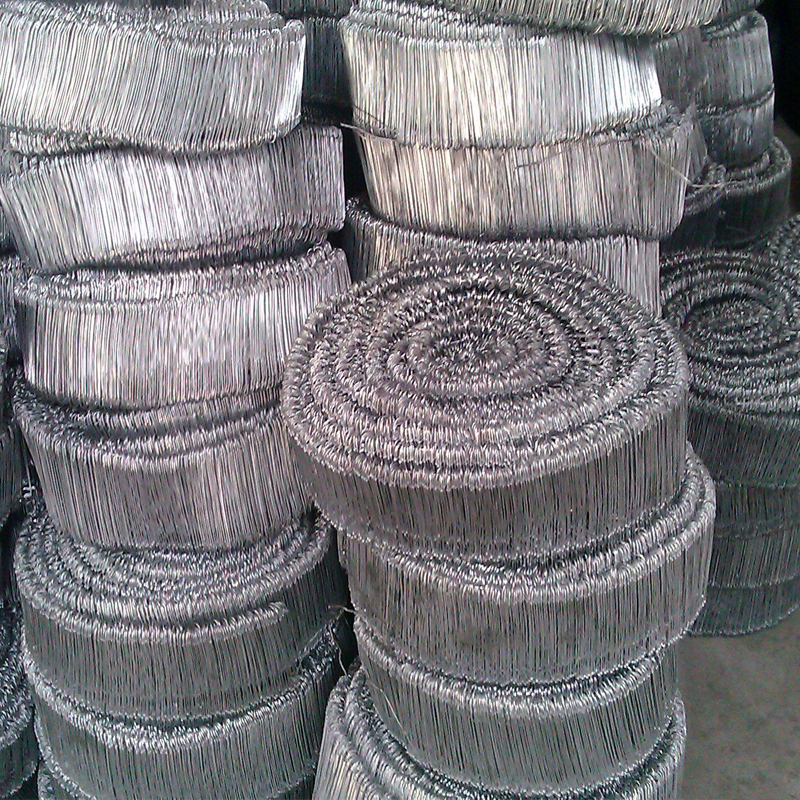
U type wire, also known as double-loop tie wire, is a specialized fastening solution utilized extensively across diverse industrial sectors including construction, agriculture, packaging, and general manufacturing. Positioned within the supply chain as a component part for binding, securing, and supporting applications, its primary function is to provide a robust and cost-effective alternative to traditional fastening methods like clips, twine, or plastic ties. Core performance characteristics include tensile strength, ductility, corrosion resistance, and ease of application. Unlike molded plastic ties, U type wire offers superior strength and durability, making it ideal for applications requiring long-term structural integrity and resistance to environmental degradation. The wire’s inherent malleability allows for precise adjustments during installation, ensuring a secure and tailored fit for various materials and configurations. This guide provides a comprehensive technical overview of U type wire, covering material science, manufacturing processes, performance engineering, potential failure modes, and relevant industry standards.
Material Science & Manufacturing
U type wire is typically manufactured from low-carbon steel wire, although stainless steel, galvanized steel, and polymer-coated steel variants are also common, depending on the application requirements. Low-carbon steel (e.g., SAE 1008) offers a balance of cost-effectiveness, ductility, and weldability. Stainless steel (e.g., 304, 316) provides superior corrosion resistance, critical in harsh environments. Galvanized steel utilizes a zinc coating to enhance corrosion protection, offering a cost-effective alternative to stainless steel. The manufacturing process begins with wire drawing, reducing the diameter of the steel rod to the desired gauge. This is followed by forming, where the wire is bent into the characteristic 'U' shape using specialized automated machinery. Critical parameters during forming include bending radius, loop dimensions, and wire straightening to ensure consistent product quality and ease of use. Surface treatment, such as galvanization or polymer coating, is applied post-forming to enhance corrosion resistance or provide color-coding for identification. Quality control involves rigorous tensile testing, dimensional checks, and visual inspection for defects. The steel’s microstructure plays a vital role in determining its mechanical properties. Grain size, inclusion content, and the presence of any surface imperfections are carefully monitored to ensure the wire meets specified strength and ductility requirements. Chemical composition must adhere to stringent standards to prevent corrosion or embrittlement. For polymer-coated variants, the adhesion of the coating to the steel substrate is critical for long-term performance, and is tested using adhesion tests such as pull-off tests.
Performance & Engineering
The performance of U type wire is primarily dictated by its tensile strength and ductility. Tensile strength, measured in MPa or psi, defines the maximum stress the wire can withstand before fracturing. Ductility, expressed as percentage elongation, indicates the wire’s ability to deform plastically before breaking. These properties are critical for applications involving dynamic loads or significant stress concentrations. Engineering analysis, particularly force analysis, is crucial for determining the appropriate wire gauge and material for a given application. Factors considered include the weight of the secured materials, environmental conditions (temperature, humidity, exposure to corrosive substances), and the expected duration of use. Environmental resistance is a key consideration, particularly in outdoor applications. Galvanized or stainless steel variants are preferred in corrosive environments to prevent premature failure. Compliance requirements vary depending on the industry and application. For example, agricultural applications may require compliance with food contact regulations, while construction applications may necessitate adherence to building codes and safety standards. The bending moment applied during installation is also a critical engineering consideration. Excessive bending can reduce the wire's tensile strength and lead to premature failure. Proper tooling and techniques are essential to ensure the wire is bent correctly without compromising its integrity. Finite element analysis (FEA) is often employed to simulate the stress distribution within the wire under various loading conditions, optimizing the design for maximum strength and durability.
Technical Specifications
| Parameter | Low Carbon Steel (SAE 1008) | Galvanized Steel | Stainless Steel (304) | Polymer Coated Steel |
|---|---|---|---|---|
| Tensile Strength (MPa) | 345-485 | 345-485 | 517-724 | 310-415 |
| Elongation at Break (%) | 20-25 | 18-23 | 30-45 | 15-20 |
| Diameter (mm) | 0.8 - 3.2 | 0.8 - 3.2 | 0.8 - 3.2 | 0.8 - 3.2 |
| Zinc Coating Thickness (µm) | N/A | 50-100 | N/A | N/A |
| Corrosion Resistance | Low | Moderate | High | Moderate-High (depending on coating) |
| Operating Temperature Range (°C) | -40 to 150 | -40 to 150 | -196 to 343 | -40 to 120 (depending on coating) |
Failure Mode & Maintenance
U type wire is susceptible to several failure modes, depending on the application and environmental conditions. Fatigue cracking can occur under cyclic loading, particularly at the bend points of the 'U' shape. Corrosion, especially in the absence of protective coatings, can lead to material degradation and reduced tensile strength. Over-bending during installation can induce plastic deformation and reduce the wire's load-bearing capacity. Galvanic corrosion can occur when dissimilar metals are in contact in a corrosive environment. Hydrogen embrittlement, a concern with high-strength steel wires, can lead to brittle fracture in the presence of hydrogen. Maintenance typically involves visual inspection for signs of corrosion, damage, or deformation. Regularly replacing wires in critical applications can prevent catastrophic failure. Applying a protective coating, such as oil or grease, can help mitigate corrosion in humid environments. Proper storage is also crucial; wires should be stored in a dry, protected area to prevent rust and degradation. For polymer-coated wires, inspection should focus on the integrity of the coating, looking for cracks, chips, or areas of adhesion loss. Avoid using abrasive cleaning methods that could damage the coating. If corrosion is detected, the affected wires should be replaced immediately to maintain the integrity of the fastening system. Performing periodic load testing can also identify weakened wires before they reach their failure point.
Industry FAQ
Q: What is the primary difference between low-carbon steel and galvanized steel U type wire in terms of long-term cost-effectiveness?
A: While low-carbon steel U type wire is initially less expensive, galvanized steel offers significantly better corrosion resistance. In environments prone to moisture or corrosive substances, the extended lifespan of galvanized wire due to reduced corrosion often results in lower lifecycle costs, despite the higher upfront investment. The cost of replacing corroded low-carbon steel wire frequently outweighs the initial price difference.
Q: How does the diameter of the U type wire affect its load-bearing capacity, and how do you determine the appropriate diameter for a specific application?
A: The load-bearing capacity of U type wire increases with diameter. A thicker wire possesses a larger cross-sectional area, allowing it to withstand greater tensile stress before failure. Determining the appropriate diameter requires a thorough force analysis, considering the weight of the secured materials, dynamic loads, and environmental factors. Engineering calculations based on tensile strength and safety factors are essential.
Q: Can U type wire be reused after it has been bent and applied?
A: Reusing U type wire is generally not recommended. The bending process induces plastic deformation, reducing the wire’s tensile strength and potentially creating stress concentrations that could lead to premature failure. Furthermore, the wire may become distorted or damaged during removal, compromising its structural integrity. Using new wire ensures reliable performance and safety.
Q: What are the limitations of polymer-coated U type wire compared to stainless steel in highly corrosive environments?
A: While polymer coatings provide a degree of corrosion protection, they are susceptible to damage (scratches, abrasions) that can expose the underlying steel to corrosive elements. Stainless steel (particularly 316 grade) offers superior and more consistent corrosion resistance in severe environments due to its inherent material properties. Polymer coatings are a good option for moderate corrosion resistance, but stainless steel is preferred for harsh applications.
Q: What quality control procedures are typically implemented during the manufacturing of U type wire to ensure consistent performance?
A: Manufacturers typically employ a range of quality control procedures, including rigorous tensile testing to verify tensile strength and elongation, dimensional checks to ensure consistent wire diameter and loop dimensions, visual inspections for surface defects, and chemical composition analysis to confirm material specifications. Adhesion testing is performed on polymer-coated wires to ensure proper coating bonding. Statistical process control (SPC) is often used to monitor and control manufacturing parameters.
Conclusion
U type wire represents a versatile and cost-effective fastening solution across a broad spectrum of industrial applications. Its performance is intrinsically linked to its material composition, manufacturing processes, and proper installation techniques. Understanding the interplay between tensile strength, ductility, corrosion resistance, and environmental factors is crucial for selecting the appropriate wire gauge and material for a given application. Selecting the optimal material (low-carbon steel, galvanized steel, stainless steel, or polymer-coated steel) requires careful consideration of the operating environment and long-term cost implications.
Moving forward, advancements in materials science and coating technologies will likely lead to the development of U type wires with enhanced performance characteristics, such as improved corrosion resistance, higher tensile strength, and greater flexibility. Furthermore, the integration of smart sensing capabilities into U type wires could enable real-time monitoring of stress levels and predict potential failure points, enhancing safety and reliability. Continued adherence to industry standards and rigorous quality control procedures will remain paramount to ensuring the consistent performance and longevity of this essential fastening component.