



Introduction
Umbrella roofing nails are a specialized fastener critically employed in the securement of asphalt shingle roofing systems. Occupying a vital position within the building materials supply chain, these nails differ significantly from general-purpose nails due to their large, umbrella-shaped head. This design provides a significantly increased bearing surface, enhancing the shingle’s resistance to wind uplift and preventing shingle ‘blow-off’. Core performance characteristics include shear strength, pull-through resistance, and corrosion resistance, directly impacting the longevity and integrity of the roofing installation. The industry faces recurring challenges regarding nail shank length selection for varying shingle thicknesses and roof deck materials, as well as ensuring consistent nail quality to prevent premature failure due to brittle fractures or inadequate coating adhesion. This guide provides an in-depth technical overview of umbrella roofing nails, covering material science, manufacturing processes, performance parameters, failure modes, and relevant industry standards.
Material Science & Manufacturing
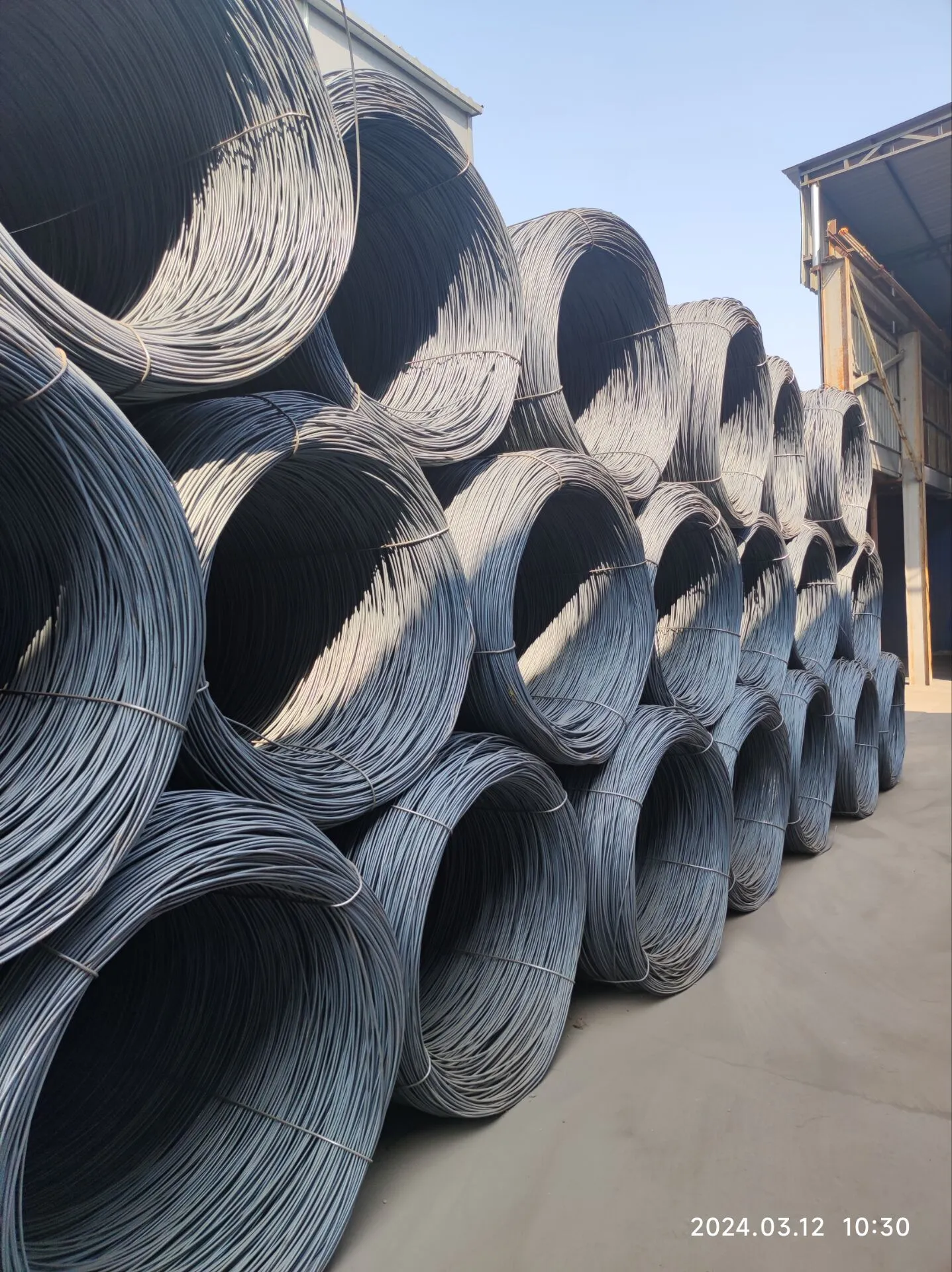
Umbrella roofing nails are predominantly constructed from carbon steel, typically AISI 1008 or 1010, chosen for its balance of cost-effectiveness and formability. The steel wire undergoes a cold heading process to create the nail shank and enlarged head. Critical material properties include tensile strength (typically 60,000-80,000 psi), yield strength (40,000-60,000 psi), and elongation (15-25%). Following heading, the nails are subjected to heat treatment—often a quench and temper process—to optimize hardness and ductility. A crucial aspect of manufacturing is the application of a protective coating. Galvanization, utilizing zinc coating, is the most common corrosion protection method, complying with ASTM A786 standards. Newer formulations employ zinc-aluminum alloy coatings offering superior corrosion resistance, particularly in coastal environments. Coating thickness is a critical parameter, typically ranging from 0.5 to 1.5 mils. Manufacturing tolerances on head diameter and shank length are tightly controlled, with variations exceeding ±0.005 inches potentially leading to installation issues and reduced performance. The process is increasingly automated, employing high-speed nail-forming machines equipped with in-line quality control systems for dimensional accuracy and coating integrity.
Performance & Engineering
The performance of umbrella roofing nails is governed by several key engineering principles. Wind uplift resistance is paramount, and is directly related to the nail's pull-through resistance and shear strength. Pull-through resistance is influenced by nail shank length, shingle thickness, and the density of the roof deck material (typically plywood or OSB). Longer shank lengths provide greater embedment, increasing pull-through resistance. Shear strength determines the nail's ability to resist lateral forces, critical during high-wind events. Finite Element Analysis (FEA) is commonly used to model the stress distribution within the nail and surrounding materials under various loading conditions. Compliance with ASTM D7158, ‘Standard Test Method for Wind Resistance of Asphalt Shingles (Uplift Resistance Method)’ is mandatory. Nail spacing is another critical engineering consideration; typical spacing is 6 inches along the shingle edge and 12 inches inland. Improper spacing significantly reduces wind resistance. Furthermore, the nail’s head diameter must be sufficient to adequately compress the shingle granules without causing damage, ensuring a watertight seal. Long-term performance is also impacted by environmental factors, including UV exposure, temperature cycling, and humidity, which can accelerate corrosion and degrade the coating.
Technical Specifications
| Nail Length (inches) | Shank Diameter (inches) | Head Diameter (inches) | Coating Type |
|---|---|---|---|
| 1.25 | 0.099 | 0.375 | Galvanized (Zinc) |
| 1.50 | 0.099 | 0.375 | Galvanized (Zinc) |
| 1.75 | 0.099 | 0.375 | Zinc-Aluminum Alloy |
| 2.00 | 0.099 | 0.375 | Zinc-Aluminum Alloy |
| 2.50 | 0.099 | 0.375 | Zinc-Aluminum Alloy |
| 3.00 | 0.099 | 0.375 | Zinc-Aluminum Alloy |
Failure Mode & Maintenance
Umbrella roofing nails are susceptible to several failure modes. Corrosion is a primary concern, particularly in coastal environments with high salt concentrations. The zinc coating provides sacrificial protection, but once depleted, the underlying steel is vulnerable to rust. Brittle fracture can occur during installation, especially at low temperatures, if the nails are not sufficiently ductile. Pull-through failure occurs when the nail loses its embedment in the roof deck, often due to insufficient shank length or a weakened substrate. Shear failure involves the nail shank breaking under lateral load. Head failure, while less common, can occur if the head is damaged during installation or experiences excessive stress. Maintenance is limited, as the nails are largely inaccessible after shingle installation. However, periodic visual inspections can identify signs of corrosion or loose shingles, indicating potential nail failure. Preventative measures include selecting appropriate nail lengths for the specific shingle and roof deck combination, using high-quality nails with robust coatings, and ensuring proper installation techniques. A critical area for preventing failure is ensuring proper roof deck condition prior to shingle application; damaged or deteriorated decking dramatically reduces nail holding power.
Industry FAQ
Q: What is the optimal nail shank length for a shingle that is 0.25 inches thick installed over 0.5-inch plywood?
A: Generally, a nail shank length of 1.25 to 1.5 inches is recommended. The nail should penetrate at least 0.75 to 1 inch into the plywood for adequate holding power. Shorter nails risk pull-through, while excessively long nails can protrude through the roof deck, creating a potential hazard.
Q: How does the choice of coating impact the long-term performance of umbrella roofing nails?
A: Coating type significantly affects corrosion resistance. Galvanized nails offer adequate protection in most environments, but zinc-aluminum alloy coatings provide superior performance, particularly in coastal regions or areas with high sulfur content. The thicker the coating, the longer the corrosion protection will last.
Q: What are the consequences of using undersized or improperly spaced nails?
A: Undersized nails have lower shear and pull-through resistance, increasing the risk of shingle blow-off. Improper spacing reduces the overall fastening force, creating weak points in the roofing system. Both scenarios can lead to premature roof failure and costly repairs.
Q: What quality control measures are typically implemented during the manufacturing process?
A: Manufacturers typically employ dimensional checks on nail head diameter and shank length, hardness testing to verify heat treatment, and coating thickness measurements. Increasingly, automated vision systems are used to detect defects in the coating and ensure consistent nail quality.
Q: What standard defines the acceptable limits for zinc coating thickness on umbrella roofing nails?
A: ASTM A786 is the primary standard governing zinc coating specifications for steel nails. It defines different coating classes (e.g., Class 55, Class 80) based on the minimum zinc coating weight per unit area, which directly correlates to corrosion resistance.
Conclusion
Umbrella roofing nails represent a critical component in the longevity and weather resistance of asphalt shingle roofing systems. Their effectiveness hinges on a combination of appropriate material selection, precise manufacturing controls, and adherence to relevant industry standards. Understanding the interplay between nail length, shank diameter, coating type, and installation techniques is paramount for ensuring optimal performance and preventing premature failure.
Future advancements in roofing nail technology will likely focus on developing more durable and corrosion-resistant coatings, potentially utilizing nanotechnology or alternative metal alloys. Further research into the long-term performance of zinc-aluminum alloy coatings under various environmental conditions is also warranted. Moreover, the integration of smart fasteners with embedded sensors capable of monitoring stress levels and corrosion rates could revolutionize roof maintenance and extend the lifespan of roofing systems.