



Introduction
Wholesale coil nails represent a critical fastening solution within the construction, furniture manufacturing, and packaging industries. These nails, manufactured in continuous coils and fed into automated nailing equipment, offer significant advantages over individual nails in terms of speed, efficiency, and cost-effectiveness. The technical position of coil nails lies between traditional bulk nails and more specialized fastening methods like screws or adhesives, offering a balance of holding power, installation speed, and material compatibility. Core performance characteristics hinge on wire gauge, nail length, shank type (smooth, ring, screw), and the material composition of the nail itself – typically carbon steel, stainless steel, or galvanized steel – directly impacting shear strength, tensile strength, and corrosion resistance. The industry’s current challenges revolve around optimizing nail consistency to minimize misfires in automated equipment, controlling manufacturing costs due to fluctuating steel prices, and meeting increasingly stringent environmental regulations concerning coating processes.
Material Science & Manufacturing
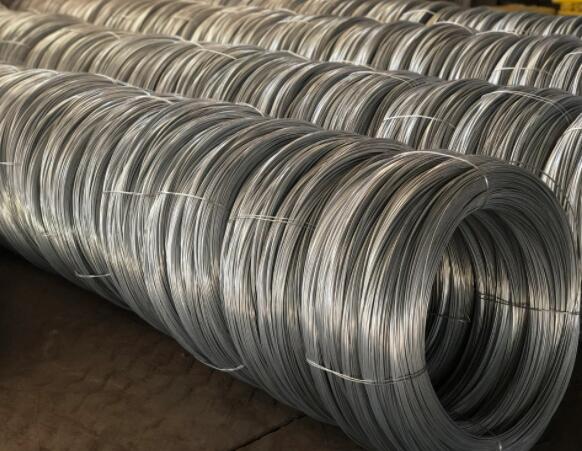
The primary raw material for wholesale coil nails is typically carbon steel wire, selected for its balance of strength and ductility. Specific grades include SAE 1008, 1010, and 1018, with carbon content ranging from 0.08% to 0.18%. Stainless steel alloys (304, 316) are employed for corrosion-resistant applications, albeit at a higher cost. Galvanization, utilizing zinc coatings, is a widespread surface treatment to prevent rust. Manufacturing begins with wire drawing, reducing the wire diameter to the specified gauge. This process induces work hardening, necessitating annealing to restore ductility. The annealed wire is then fed into a collating machine which simultaneously cuts the wire to length, forms the nail head, and collates the nails into a continuous coil held together by paper or plastic tape. Key parameters include wire tension during collation (affecting nail straightness), cutting precision (critical for consistent length), and head forming pressure (influencing head diameter and holding power). Welding processes are used in the production of certain coil nail designs, like clipped-head nails, demanding precise control of welding current, gas shielding, and cooling rates to avoid weld defects and maintain material integrity. Chemical compatibility of the coating material (zinc, polymers) with the steel substrate is paramount to preventing coating delamination.
Performance & Engineering
The performance of coil nails is fundamentally governed by principles of material mechanics. Shear strength, determined by the nail’s cross-sectional area and material yield strength, dictates its resistance to lateral forces. Tensile strength, crucial for resisting pull-out, is influenced by nail length, shank design (smooth, ring, or screw), and the density of the material being fastened. Environmental resistance is a critical engineering consideration. Galvanization thickness, measured in microns, directly correlates to corrosion protection. Stainless steel offers superior corrosion resistance, particularly in marine or chemically aggressive environments. Force analysis during installation involves calculating the impact force required to drive the nail, factoring in nail diameter, length, and the hardness of the substrate material. Compliance requirements vary by region and application. For example, construction applications often necessitate adherence to building codes specifying nail gauge, length, and spacing based on structural load calculations. The nailing angle also influences holding power; deviations from perpendicularity reduce shear capacity. The design of the nail shank – smooth, ring, or screw – affects withdrawal resistance. Ring shank nails provide increased holding power due to the mechanical interlocking created by the rings as they penetrate the material. Screw shank nails offer the highest withdrawal resistance, approaching that of a screw.
Technical Specifications
| Nail Gauge (Diameter) | Nail Length (mm) | Shank Type | Material |
|---|---|---|---|
| 1.40 mm (16 Gauge) | 30 mm | Smooth | Carbon Steel (SAE 1010) |
| 1.60 mm (15 Gauge) | 40 mm | Ring Shank | Galvanized Carbon Steel (SAE 1018) |
| 1.80 mm (14 Gauge) | 50 mm | Screw Shank | Stainless Steel (304) |
| 2.00 mm (13 Gauge) | 60 mm | Smooth | Carbon Steel (SAE 1008) |
| 2.20 mm (12 Gauge) | 70 mm | Ring Shank | Galvanized Carbon Steel (SAE 1010) |
| 2.50 mm (11 Gauge) | 80 mm | Screw Shank | Stainless Steel (316) |
Failure Mode & Maintenance
Coil nails are susceptible to several failure modes. Fatigue cracking can occur under cyclic loading, especially with thinner gauge nails and in applications subject to vibration. Head shear, where the nail head breaks off, indicates excessive driving force or material defects. Shank bending or buckling can happen if the nail encounters excessive resistance during installation or if the material being fastened is too hard. Corrosion is a significant concern, leading to weakening of the nail and eventual failure, particularly in outdoor applications. Delamination of the zinc coating exposes the underlying steel to corrosion. Maintenance isn't directly applicable to the nails themselves, but proper storage is critical. Nails should be stored in a dry environment to prevent rust formation. Regular inspection of nailing equipment is essential to ensure consistent driving force and prevent misfires, which can damage the nails and compromise their integrity. For applications requiring high corrosion resistance, consider utilizing stainless steel nails or thicker galvanized coatings. When investigating failures, metallurgical analysis can determine the root cause, whether it’s material defects, improper heat treatment, or excessive stress.
Industry FAQ
Q: What is the impact of coil nail collation type (paper vs. plastic) on performance in high-speed pneumatic nailers?
A: Plastic collation generally offers superior reliability in high-speed pneumatic nailers. Paper collation, while more economical, can sometimes tear or become damaged during rapid feeding, leading to misfeeds and downtime. The increased friction with paper can also slightly reduce the nailer’s efficiency. Plastic collation provides a smoother, more consistent feed, reducing the risk of jams and ensuring consistent nail delivery.
Q: How does the angle of the nail shank affect the holding power in different wood densities?
A: Shank angle, particularly with ring shank nails, significantly impacts holding power. In softer woods, a steeper ring angle provides better bite and withdrawal resistance. In harder woods, a shallower angle is preferred to prevent the rings from simply glancing off the wood fibers. Screw shank nails provide consistent withdrawal resistance regardless of wood density.
Q: What are the typical zinc coating specifications (thickness, type) for exterior grade coil nails?
A: Exterior grade coil nails typically utilize a hot-dip galvanized coating, meeting ASTM A646 standards. A minimum zinc coating thickness of 50 microns (Class G90) is standard for moderate corrosion resistance. For more aggressive environments (coastal areas, treated lumber), a thicker coating of 75-100 microns (Class G120 or G150) is recommended. Alternative coatings like zinc-nickel alloys provide enhanced corrosion protection.
Q: What quality control measures are employed during the manufacturing process to ensure consistent nail length and diameter?
A: Quality control involves several stages. Wire diameter is continuously monitored using laser micrometers during the wire drawing process. Nail length is verified using automated optical sensors after cutting. Statistical process control (SPC) charts track key parameters to identify and correct deviations. Periodic destructive testing (tensile, shear) is performed to validate material properties and ensure nails meet specifications. Regular calibration of machinery is also essential.
Q: Can you explain the difference between full head, clipped head and countersunk head coil nails and their recommended applications?
A: Full head nails provide maximum surface area for holding power and are commonly used in general construction and framing. Clipped head nails have a reduced head size, allowing for closer nail spacing and minimizing splitting, making them suitable for trim work and thinner materials. Countersunk head nails are designed to sit flush with or below the surface of the material, providing a clean, finished look ideal for applications where aesthetics are important like furniture making or cabinetry.
Conclusion
Wholesale coil nails represent a highly engineered fastening solution that’s integral to numerous industrial applications. Understanding the nuances of material science, manufacturing processes, and performance characteristics is crucial for selecting the appropriate nail for a specific application and ensuring long-term structural integrity. Optimizing nail design, implementing stringent quality control measures, and adapting to evolving industry standards regarding corrosion resistance and sustainability are essential for continued success in this market.
Moving forward, innovations in coating technology (e.g., zinc-rich polymer coatings) and alloy development (higher-strength steels) will likely drive further improvements in coil nail performance and longevity. The increasing adoption of automated nailing systems will necessitate tighter tolerances and more consistent nail quality. Ultimately, the successful deployment of wholesale coil nails depends on a holistic approach encompassing material selection, manufacturing precision, and a thorough understanding of the forces at play in the final application.