



Introduction
Wire coil nails represent a significant advancement in fastening technology, primarily utilized in construction, woodworking, and furniture manufacturing. They consist of a collation of nails, joined by paper or plastic tape, formed into a coil and designed for use in pneumatic nail guns. This system offers increased efficiency and reduced downtime compared to traditional nail feeding methods. Their technical position within the fastening industry chain places them between raw material production (steel wire) and final application (structural assembly or finishing). Core performance characteristics revolve around consistent drive depth, minimal splitting of wood, high shear strength, and reliable collation integrity. The prevalent challenges facing the industry include optimizing nail collation for various wood densities, minimizing nail bending during high-speed driving, and ensuring consistent coating adhesion for corrosion resistance. This guide provides an in-depth examination of wire coil nails, covering material science, manufacturing processes, performance characteristics, failure modes, and relevant industry standards.
Material Science & Manufacturing
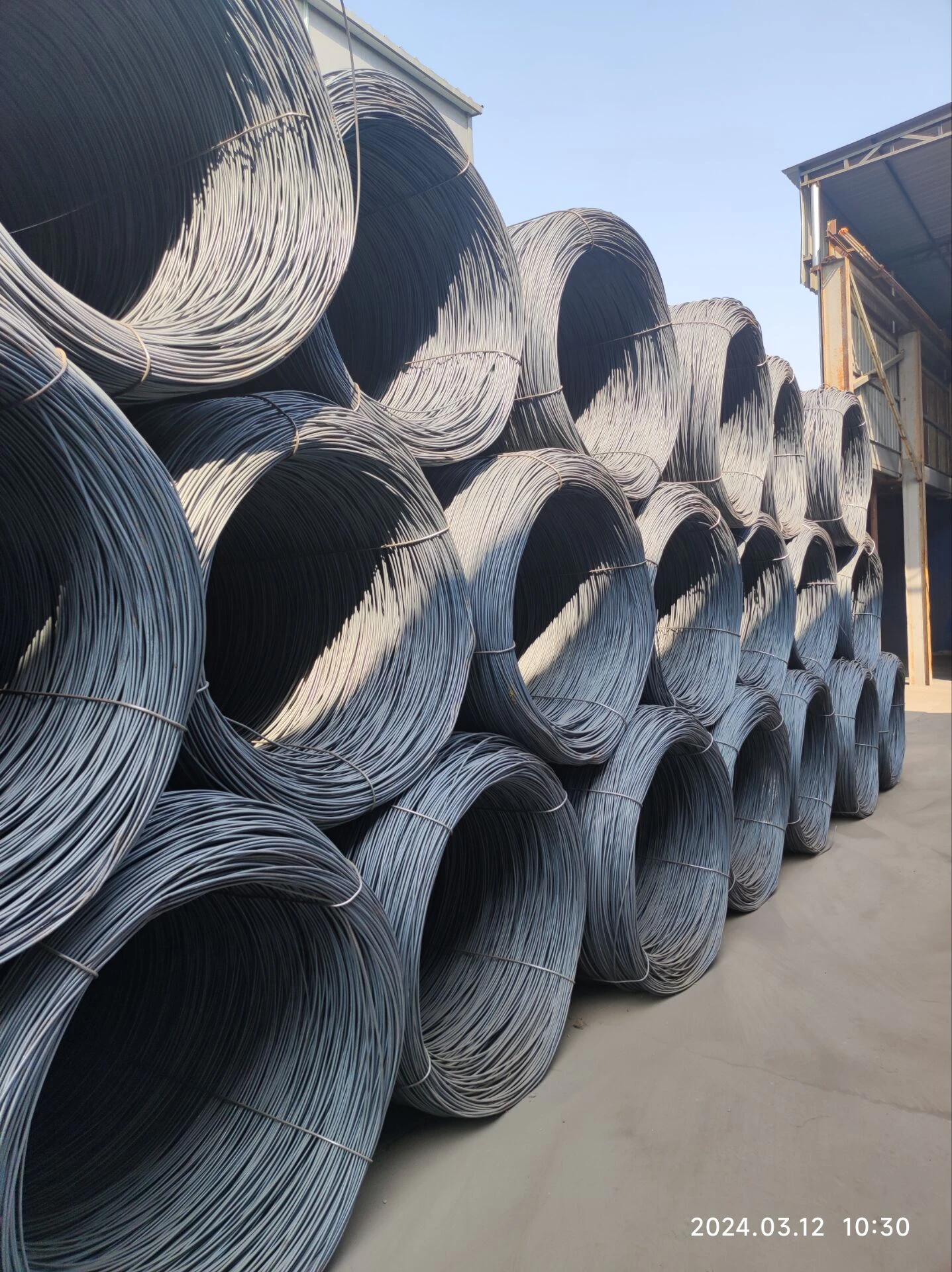
The primary material for wire coil nails is typically carbon steel, specifically SAE 1008 or similar low-carbon steel grades, due to its balance of ductility and strength. Stainless steel (304, 316) variants are employed for corrosive environments. The wire undergoes a cold drawing process to achieve the desired diameter and tensile strength. Tensile strength typically ranges from 800-1200 MPa depending on the steel grade and wire gauge. The manufacturing process begins with spooling the wire. Crucially, consistent wire diameter is maintained within a tolerance of ±0.005mm to ensure reliable feeding. Next, the wire is fed into a nail forming machine, which shears and points the nails. Precise die alignment and lubrication are critical to prevent nail deformation. Following nail forming, the nails are collated using either paper or plastic tape. Plastic tape collation, utilizing polypropylene or similar polymers, provides higher tensile strength and resistance to moisture degradation, but is more expensive. Paper collation is cost-effective but less durable. Tape consistency and adhesive strength are paramount. Finally, the collated nails are coiled and packaged. Surface treatments, such as galvanization (electro-galvanized, hot-dip galvanized), ceramic coating, or polymer coating, are applied to enhance corrosion resistance. The selection of coating depends on the intended application environment and required lifespan. Hot-dip galvanization provides a thicker coating but can alter nail hardness, while electro-galvanization offers a smoother finish. Control parameters during coating include zinc bath temperature, coating thickness, and post-treatment passivation to prevent white rust.
Performance & Engineering
The performance of wire coil nails is fundamentally governed by shear strength, tensile strength, and bending resistance. Shear strength is the critical parameter for load-bearing applications, determining the nail’s ability to resist forces parallel to the shank. Tensile strength dictates the nail’s resistance to pull-out forces. Bending resistance influences the nail’s ability to penetrate dense materials without deflection. Force analysis during driving involves calculating the impact force required to penetrate the target material, considering nail diameter, point angle, and material density. The point angle, typically between 18-22 degrees, directly impacts penetration force and wood splitting. Environmental resistance is primarily addressed through surface coatings. Galvanization provides protection against oxidation and corrosion. However, the effectiveness of galvanization degrades over time, especially in saline environments. Polymer coatings offer superior long-term corrosion protection but are susceptible to UV degradation. Compliance requirements vary by region and application. In the US, wire coil nails must adhere to ASTM F1667, specifying dimensional tolerances and performance requirements. European standards EN 16689 defines performance characteristics and testing methodologies. Proper nail gun calibration is crucial for optimal performance. Incorrect air pressure can lead to incomplete seating, bending, or material damage. Furthermore, the nail collation angle must be compatible with the nail gun's feed mechanism to ensure consistent nail delivery.
Technical Specifications
| Nail Diameter (Gauge) | Nail Length (mm) | Shank Type | Coating Type |
|---|---|---|---|
| 2.1mm (8D) | 50mm | Smooth | Bright |
| 2.5mm (9D) | 65mm | Ring Shank | Electro-Galvanized |
| 2.9mm (10D) | 75mm | Screw Shank | Hot-Dip Galvanized |
| 3.3mm (12D) | 90mm | Smooth | Ceramic |
| 3.4mm (12D) | 100mm | Ring Shank | Polymer Coated |
| 4.0mm (16D) | 120mm | Screw Shank | Stainless Steel 304 |
Failure Mode & Maintenance
Wire coil nails are susceptible to several failure modes. Fatigue cracking can occur under cyclic loading, particularly with nails lacking sufficient tensile strength or exhibiting surface defects. Delamination of coatings, especially polymer coatings, can occur due to UV exposure or mechanical abrasion, leading to corrosion. Nail bending during driving is often caused by insufficient nail gun power, incorrect nail collation, or obstructions in the wood. Shear failure occurs when the applied force exceeds the nail’s shear strength. Oxidation and corrosion lead to weakening of the nail shank, reducing load-bearing capacity. Preventative maintenance involves proper storage of nail coils in a dry environment to prevent corrosion. Regularly inspect nail guns for wear and tear, ensuring proper air pressure and alignment. Damaged or bent nails should be discarded. For applications requiring high corrosion resistance, periodic inspection of coatings is recommended, followed by re-coating if necessary. If fatigue cracking is a concern, increasing the nail gauge or switching to a higher strength steel alloy can mitigate the risk. Collation failure, where nails separate from the tape, necessitates replacing the entire coil as individual nails cannot be reliably re-collated.
Industry FAQ
Q: What is the impact of nail gun air pressure on the driving performance of wire coil nails?
A: Insufficient air pressure will result in incomplete nail seating, leading to bent nails or reduced holding power. Excessive air pressure can cause nail splitting, especially in hardwoods, and potentially damage the nail gun. Optimal air pressure varies by nail gun model and wood density, but typically falls within the range of 70-120 PSI. Regular calibration of the nail gun is crucial.
Q: How does collation type (paper vs. plastic) affect nail performance and cost?
A: Plastic collation offers superior tensile strength and moisture resistance compared to paper collation, leading to fewer collation failures during high-speed driving. However, plastic collation is significantly more expensive. Paper collation is a cost-effective option for dry indoor applications where collation integrity is less critical.
Q: What level of corrosion protection is required for exterior applications?
A: For exterior applications, hot-dip galvanization, ceramic coating, or stainless steel nails (304 or 316) are recommended. Electro-galvanization offers limited corrosion protection and is unsuitable for prolonged outdoor exposure. Polymer coatings can provide excellent corrosion resistance, but their UV stability should be considered.
Q: What are the key considerations when selecting nail length and diameter?
A: Nail length should be at least three times the material thickness being fastened to ensure adequate holding power. Nail diameter should be chosen based on the material density and anticipated load. Thicker materials require larger diameter nails. Ring shank or screw shank nails offer increased withdrawal resistance compared to smooth shank nails.
Q: What is the significance of the ASTM F1667 standard for wire coil nails?
A: ASTM F1667 defines dimensional tolerances, performance requirements, and testing methodologies for wire coil nails. Adherence to this standard ensures consistent quality and reliability. It specifies requirements for nail diameter, length, shank type, coating thickness, and withdrawal resistance.
Conclusion
Wire coil nails have become an indispensable fastening solution in modern construction and woodworking due to their efficiency, reliability, and versatility. The performance of these nails is inextricably linked to the material science of the steel wire, the precision of the manufacturing process, and the effectiveness of the applied surface treatments. Understanding the interplay between these factors is critical for selecting the appropriate nail type for a given application and ensuring long-term structural integrity.
Future developments in wire coil nail technology are likely to focus on enhancing corrosion resistance through advanced coating materials, optimizing nail collation for improved feeding reliability, and developing sustainable manufacturing processes. Adherence to stringent industry standards, such as ASTM F1667 and EN 16689, remains paramount to maintaining product quality and ensuring safe and reliable fastening performance.