




Introduction
Iron wire, a fundamental material in numerous industrial applications, represents a versatile form of ferrous metal employed for binding, hanging, weaving, and as a precursor to more complex components. Positioned within the materials supply chain as a semi-finished product, it directly follows iron ore extraction and processing, and serves as a building block for applications ranging from construction and agriculture to automotive and electrical engineering. Core performance characteristics, namely tensile strength, ductility, conductivity, and corrosion resistance (or susceptibility), dictate its suitability for specific end-uses. Understanding these properties and their dependence on manufacturing processes is critical for effective material selection and application. The industry frequently grapples with balancing cost-effectiveness – a key advantage of iron wire – with the need for enhanced durability and performance in increasingly demanding environments. This guide provides an in-depth exploration of iron wire, covering material science, manufacturing, performance, potential failure modes, and relevant industry standards.
Material Science & Manufacturing
Iron wire is primarily produced from low-carbon steel, typically containing between 0.05% and 0.25% carbon. The raw material originates from iron ore, processed through blast furnaces or direct reduced iron (DRI) processes to create pig iron or sponge iron. These initial iron forms contain impurities such as silicon, manganese, phosphorus, and sulfur, which are refined through further processing. The steelmaking process, commonly using Basic Oxygen Furnace (BOF) or Electric Arc Furnace (EAF) technology, precisely controls the carbon content and alloy composition. The molten steel is then cast into billets or rods, which undergo a wire drawing process. Wire drawing involves pulling the metal through a series of progressively smaller dies to reduce its diameter. Lubrication is crucial during this process to minimize friction and prevent die wear. Key parameters controlled include die angle, drawing speed, reduction ratio (the percentage decrease in cross-sectional area per pass), and die material (typically tungsten carbide). Annealing, a heat treatment process, is often employed between drawing passes to restore ductility and prevent work hardening. Surface treatments, such as galvanization (zinc coating) or passivation, are applied to enhance corrosion resistance. The resulting microstructure of the iron wire – grain size and distribution, as well as the presence of any inclusions – significantly influences its mechanical properties. Variations in the manufacturing process affect the final product; for example, cold-drawn wire exhibits higher tensile strength but lower ductility compared to annealed wire. Chemical compatibility is a concern, particularly with corrosive environments, dictating the choice of coatings and potential use of alloyed iron wires (e.g., incorporating silicon for enhanced oxidation resistance).
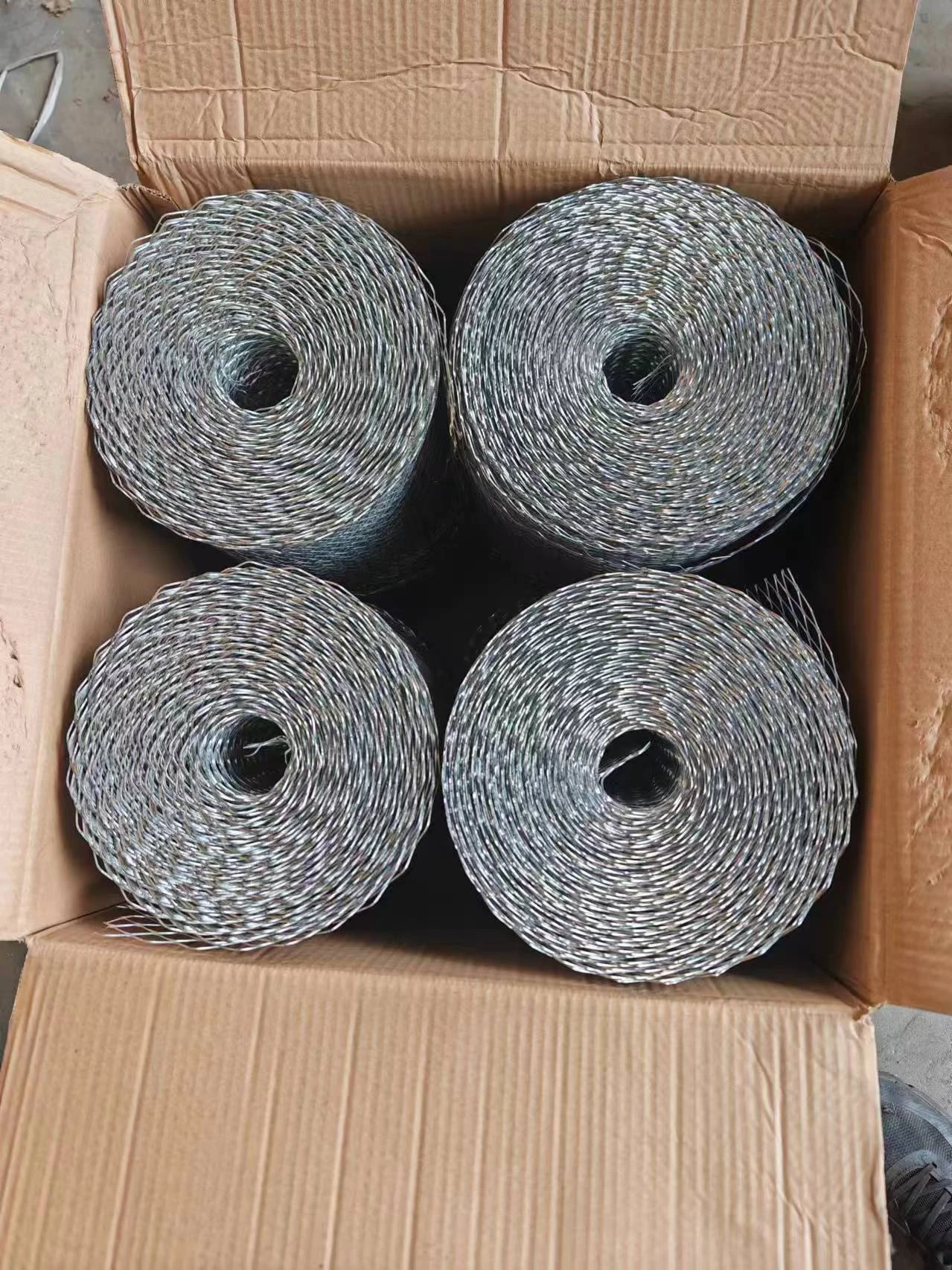
Performance & Engineering
The primary performance metric for iron wire is its tensile strength, the maximum stress it can withstand before breaking. This is directly related to the wire's diameter and the steel's carbon content. Ductility, measured by elongation at break, indicates the wire's ability to deform plastically before fracture. Electrical conductivity, while lower than copper, is sufficient for grounding and low-voltage applications. Corrosion resistance is a critical engineering consideration. Uncoated iron wire is susceptible to oxidation (rusting) in humid environments, which reduces its strength and service life. Galvanization provides a sacrificial barrier, protecting the underlying iron. Engineering calculations involving iron wire require consideration of its Young's modulus (a measure of stiffness) and Poisson's ratio (relating strain in one direction to strain in another). Force analysis in applications like fencing or suspension cables necessitates accurate determination of tensile loads and safety factors. Compliance requirements vary by industry. For example, agricultural applications may require wire meeting specific standards for coating thickness and durability to prevent contamination of crops. In electrical applications, wire gauge (diameter) must adhere to national electrical codes to ensure safe current carrying capacity. Environmental resistance is particularly important in marine or industrial settings where exposure to salt spray, chemicals, or extreme temperatures is prevalent. The behavior of iron wire under dynamic loading (fatigue) must also be considered, particularly in applications involving repeated bending or vibration.
Technical Specifications
| Parameter | Low Carbon Steel Wire (SAE 1008) | High Carbon Steel Wire (SAE 1095) | Galvanized Iron Wire | Stainless Steel Wire (304) |
|---|---|---|---|---|
| Tensile Strength (MPa) | 400-550 | 700-900 | 350-500 | 500-700 |
| Elongation (%) | 20-30 | 10-20 | 15-25 | 30-40 |
| Diameter (mm) | 0.5-5.0 | 0.5-3.0 | 0.5-5.0 | 0.5-5.0 |
| Zinc Coating Thickness (µm) | N/A | N/A | 50-150 | N/A |
| Electrical Conductivity (% IACS) | 50-60 | 40-50 | 45-55 | 14-18 |
| Corrosion Resistance | Low | Low | Moderate to High | High |
Failure Mode & Maintenance
Iron wire is susceptible to several failure modes. Corrosion is the most common, leading to reduced cross-sectional area and eventual fracture. Rust formation weakens the wire and accelerates crack initiation. Fatigue cracking can occur under cyclical loading, even below the yield strength, due to stress concentrations at surface defects or bends. Brittle fracture is more prevalent in high-carbon steel wire, especially at low temperatures. Hydrogen embrittlement, caused by the absorption of hydrogen into the metal lattice, can reduce ductility and promote cracking, particularly in galvanized wire exposed to acidic environments. Overloading, exceeding the wire's tensile strength, results in immediate fracture. Maintenance strategies focus on preventing corrosion and mitigating fatigue. Regular inspection for rust and surface damage is crucial. Applying protective coatings (paint, oil) or increasing the galvanization thickness extends service life. Avoiding sharp bends and minimizing cyclical loading reduces the risk of fatigue failure. For critical applications, periodic stress relief annealing can restore ductility and prevent crack propagation. Correct storage is essential; wire should be stored in a dry environment to prevent corrosion. Replacement of corroded or damaged wire is paramount to maintaining structural integrity.
Industry FAQ
Q: What is the impact of carbon content on the weldability of iron wire?
A: Higher carbon content significantly reduces weldability. Increased carbon leads to the formation of hard martensite during cooling, increasing brittleness and the risk of cracking. Welding high-carbon iron wire typically requires preheating, post-weld heat treatment, and specialized welding techniques like using low-hydrogen electrodes to minimize these issues.
Q: How does the annealing process affect the mechanical properties of drawn iron wire?
A: Annealing restores ductility to cold-worked wire. Wire drawing causes work hardening, increasing tensile strength but reducing ductility. Annealing involves heating the wire to a specific temperature and slowly cooling it, allowing the metal to recrystallize and reduce internal stresses, thereby increasing ductility and reducing brittleness.
Q: What are the advantages of using galvanized iron wire over bare iron wire in outdoor applications?
A: Galvanization provides a sacrificial coating of zinc that protects the underlying iron from corrosion. Zinc corrodes preferentially, preventing rust formation on the iron. This significantly extends the service life of the wire in exposed environments, reducing maintenance costs and preventing premature failure.
Q: What specific testing methods are used to verify the quality and mechanical properties of iron wire?
A: Common testing methods include tensile testing to determine tensile strength and elongation, bend testing to assess ductility, and coating thickness measurements for galvanized wire. Metallographic examination can reveal the microstructure and identify any defects. Salt spray testing is used to evaluate corrosion resistance.
Q: How does the diameter of iron wire affect its load-bearing capacity in a suspension application?
A: Load-bearing capacity is directly proportional to the cross-sectional area of the wire, which is determined by its diameter. A larger diameter wire has a greater cross-sectional area and can therefore support a significantly heavier load before reaching its tensile strength. Engineering calculations must account for the wire's diameter and a suitable safety factor.
Conclusion
Iron wire, despite its simplicity, remains a crucial material across diverse industries. Its versatility stems from a balance of cost-effectiveness, adequate strength, and ease of manufacturing. Understanding the fundamental material science, particularly the influence of carbon content and manufacturing processes like wire drawing and annealing, is paramount for selecting the appropriate grade for a given application. The primary challenge remains mitigating corrosion, with galvanization providing a widely adopted solution, although considerations regarding hydrogen embrittlement are essential.
Future developments in iron wire technology may focus on advanced coating techniques, alloy optimization for enhanced corrosion resistance and strength, and the integration of smart materials for self-monitoring and damage detection. Furthermore, sustainable manufacturing practices and the utilization of recycled iron will become increasingly important. A continued emphasis on rigorous quality control and adherence to industry standards will ensure the reliable performance and longevity of iron wire in demanding applications.