



Introduction
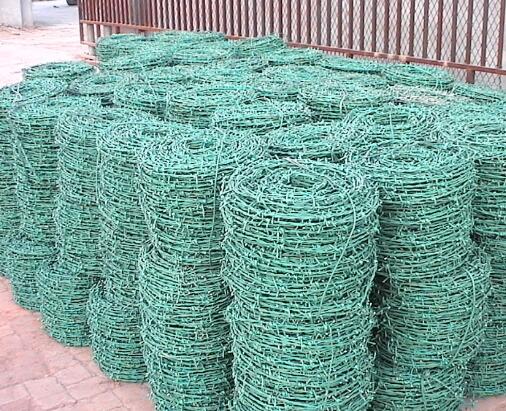
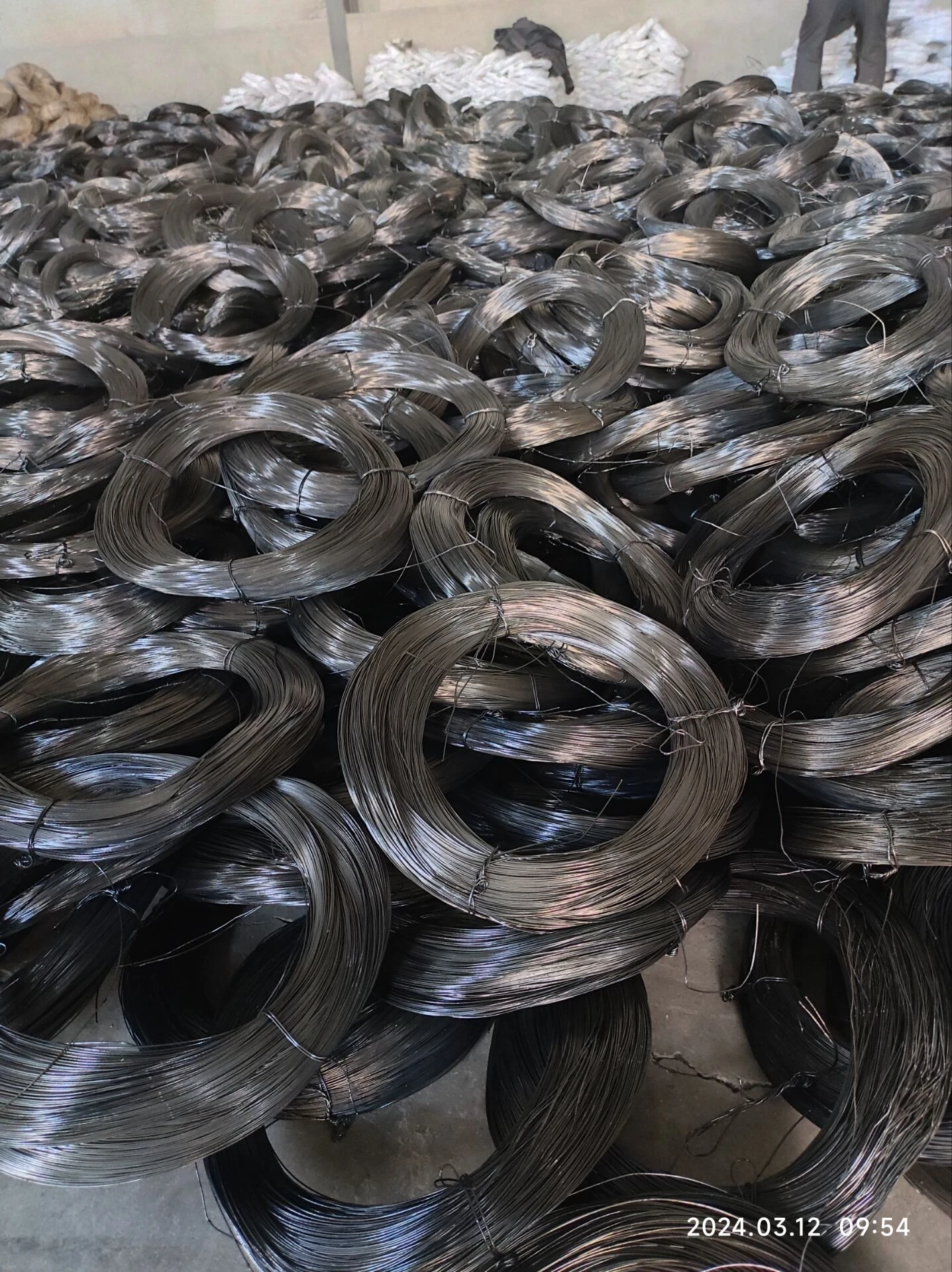
Zinc plated wire is a carbon steel wire coated with a layer of zinc, providing corrosion resistance and enhanced mechanical properties. It occupies a critical position in diverse industries, including construction, agriculture, automotive, and electrical engineering. Its primary function is to protect the underlying steel from environmental degradation, extending its service life. The core performance characteristics revolve around tensile strength, ductility, coating adhesion, and resistance to corrosion in varying environments. Compared to uncoated steel wire, zinc plating significantly improves durability and reduces maintenance costs, making it a preferred material for applications exposed to moisture, chemicals, and fluctuating temperatures. The performance is directly tied to the zinc coating thickness, the quality of the steel substrate, and the plating process employed.
Material Science & Manufacturing
The base material for zinc plated wire is typically low-carbon steel, selected for its ductility and formability. Common steel grades include SAE 1008, 1010, and similar varieties. The zinc used for plating is generally of 99.995% purity, often sourced from electrolytic zinc refining. The manufacturing process begins with wire drawing, reducing the diameter of the steel rod through a series of dies. This process work-hardens the steel, increasing its tensile strength but reducing ductility. Following wire drawing, the wire undergoes cleaning and pickling to remove oils, scale, and rust. This surface preparation is crucial for ensuring proper zinc adhesion. The zinc plating process commonly employs either hot-dip galvanizing or electroplating. Hot-dip galvanizing involves immersing the steel wire in molten zinc, creating a metallurgical bond. Electroplating uses an electrolytic solution containing zinc ions, applying a zinc coating via an electric current. Post-plating, the wire may undergo passivation treatments, such as chromate conversion coating, to enhance corrosion resistance and provide a specific finish. Critical parameters during manufacturing include zinc bath temperature (hot-dip), current density and electrolyte composition (electroplating), wire drawing speed, and pickling solution concentration. Precise control of these parameters is essential for achieving consistent coating thickness and optimal mechanical properties. Failure to maintain these parameters results in issues like uneven coating, hydrogen embrittlement, and reduced corrosion resistance.
Performance & Engineering
The performance of zinc plated wire is fundamentally governed by the mechanical properties of the steel core and the protective characteristics of the zinc coating. The zinc coating acts as a barrier, preventing corrosive elements from reaching the steel substrate. Furthermore, zinc provides galvanic protection – it corrodes preferentially to the steel, even if the coating is scratched or damaged. Engineering considerations include tensile strength, yield strength, elongation, and fatigue resistance. The zinc coating thickness directly impacts corrosion resistance; thicker coatings offer longer protection. Environmental resistance is paramount, especially in applications exposed to saltwater, acidic environments, or high humidity. Salt spray testing (ASTM B117) is a standard method for evaluating corrosion resistance. Hydrogen embrittlement is a significant concern, particularly with high-strength steel. The electroplating process can introduce hydrogen into the steel lattice, leading to reduced ductility and increased susceptibility to cracking. Baking the wire post-plating can drive out the hydrogen, mitigating this risk. Compliance requirements vary depending on the application. For example, wire used in fencing may need to meet specific gauge and tensile strength standards (ASTM A121). Wire used in automotive applications must adhere to stringent quality control standards (IATF 16949). Force analysis, including stress-strain curves and fatigue life calculations, is critical for determining the appropriate wire gauge and zinc coating thickness for a given application.
Technical Specifications
| Parameter | Unit | Typical Value (SAE 1008 Steel Core) | Testing Standard |
|---|---|---|---|
| Tensile Strength | MPa | 400-550 | ASTM A1023 |
| Yield Strength | MPa | 250-350 | ASTM A1023 |
| Elongation | % | 15-25 | ASTM A1023 |
| Zinc Coating Thickness | µm | 5-100 (depending on application) | ASTM B61 |
| Zinc Coating Weight | g/m² | 50-300 (depending on thickness) | ASTM B61 |
| Salt Spray Resistance | Hours | 24-720 (depending on coating thickness) | ASTM B117 |
Failure Mode & Maintenance
Common failure modes in zinc plated wire include corrosion, hydrogen embrittlement, coating delamination, and mechanical fatigue. Corrosion occurs when the zinc coating is breached, exposing the steel to corrosive elements. Red rust formation indicates corrosion of the steel substrate. Hydrogen embrittlement, as previously mentioned, can lead to cracking, especially in high-strength wire. Coating delamination involves the separation of the zinc coating from the steel substrate, often due to poor surface preparation or inadequate adhesion. Mechanical fatigue arises from repeated stress cycles, leading to crack initiation and propagation. Maintenance practices aimed at extending service life include regular inspection for corrosion, cleaning to remove contaminants, and applying protective coatings (e.g., oil or wax) to prevent moisture ingress. For applications involving high stress, periodic wire replacement is recommended to prevent catastrophic failure. If localized corrosion is observed, it's essential to address the underlying cause – e.g., eliminate the source of corrosive elements or improve ventilation. In cases of severe delamination, the wire should be replaced. Prevention of white rust (zinc corrosion product) through appropriate storage and handling is also crucial. Failure analysis should involve microscopic examination of the fracture surface to determine the root cause of failure.
Industry FAQ
Q: What is the difference between hot-dip galvanizing and electroplating in terms of corrosion protection?
A: Hot-dip galvanizing generally provides thicker zinc coatings and better adhesion due to the metallurgical bond formed, resulting in superior long-term corrosion protection. Electroplating offers more control over coating thickness and finish, making it suitable for applications requiring precise dimensions or cosmetic appearance. However, the thinner coatings produced by electroplating may require supplemental treatments for equivalent corrosion resistance.
Q: How does wire drawing affect the corrosion resistance of zinc plated wire?
A: Wire drawing introduces plastic deformation, which increases the steel's strength but can also create residual stresses. These stresses can accelerate corrosion if not relieved by post-plating heat treatment. Furthermore, the surface finish produced by wire drawing impacts zinc adhesion; a smoother surface generally results in better coating quality.
Q: What are the implications of hydrogen embrittlement, and how can it be mitigated?
A: Hydrogen embrittlement reduces the ductility and load-bearing capacity of the steel, making it susceptible to cracking under stress. Mitigation strategies include using low-hydrogen plating processes, baking the wire after plating to drive out hydrogen, and selecting steel grades with lower susceptibility to hydrogen embrittlement.
Q: What factors influence the adhesion of the zinc coating to the steel substrate?
A: Proper surface preparation is paramount. The steel surface must be thoroughly cleaned and pickled to remove oils, scale, and rust. Surface roughness also plays a role – a slightly rough surface provides a better mechanical key for the zinc coating. The plating process parameters, such as bath temperature and current density, also influence adhesion.
Q: What are the common applications where zinc plated wire is specifically preferred over other materials?
A: Zinc plated wire is widely used in applications demanding corrosion resistance and affordability. These include fencing (agricultural, residential, and industrial), animal cages, cable armoring, spring manufacturing, and certain types of fasteners. It’s a cost-effective alternative to stainless steel in many applications where the highest level of corrosion resistance isn't required.
Conclusion
Zinc plated wire provides a robust and cost-effective solution for corrosion protection and enhanced mechanical performance in a wide array of industrial applications. The effectiveness of this material hinges on a complex interplay of factors, including steel grade selection, manufacturing process control, and coating parameters. Understanding the material science behind zinc plating, potential failure modes, and appropriate maintenance practices is crucial for ensuring long-term reliability and minimizing lifecycle costs.
Looking ahead, advancements in zinc alloy plating and passivation technologies promise to further enhance the corrosion resistance and durability of zinc plated wire. Research into environmentally friendly plating processes is also gaining momentum, driven by increasing sustainability concerns. Continuous monitoring of industry standards and adherence to best practices will remain essential for maximizing the benefits of this versatile material.