Introduction
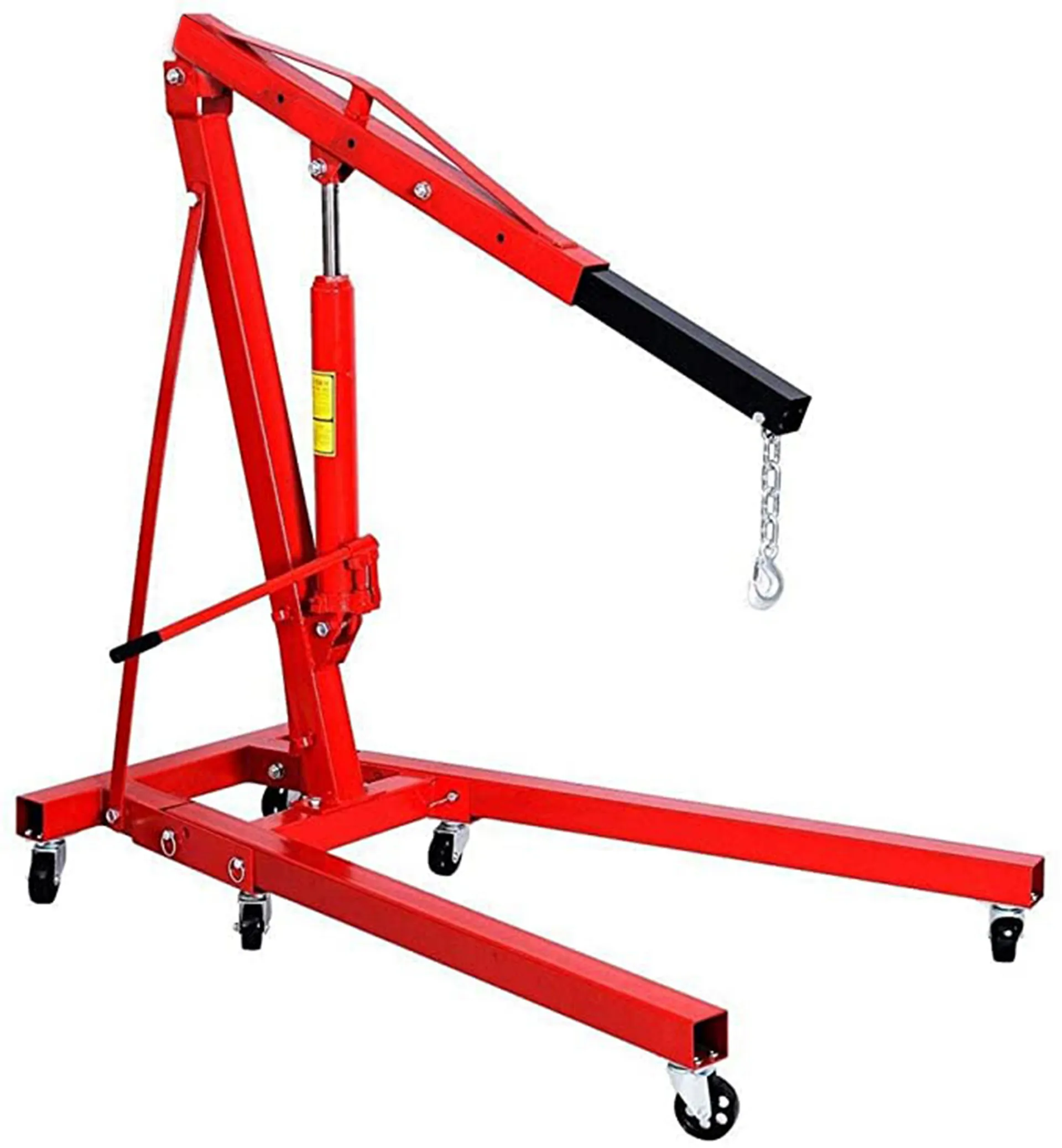
The 2-ton engine crane, also known as a shop crane or engine hoist, is a critical piece of equipment within automotive repair, heavy machinery maintenance, and industrial manufacturing facilities. Its primary function is the safe and controlled lifting and lowering of heavy components, specifically engines, transmissions, and other sizable parts. This guide provides a comprehensive technical overview of 2-ton engine cranes, encompassing material science, manufacturing processes, performance engineering, potential failure modes, and relevant industry standards. Unlike general-purpose cranes, engine cranes are designed for relatively low lifts and horizontal reaches, prioritizing precision and maneuverability within confined workspaces. Core performance is defined by lift capacity, boom length, and the precision of the lifting and lowering mechanisms, directly impacting workshop efficiency and safety. The industry faces challenges concerning material fatigue in high-use scenarios, maintaining consistent hydraulic pressure, and ensuring compliance with lifting regulations, all of which will be addressed in detail.
Material Science & Manufacturing
The core structural components of a 2-ton engine crane typically utilize high-strength, low-alloy steel, specifically ASTM A572 Grade 50. This steel provides an excellent balance of tensile strength (minimum 50 ksi), yield strength, and weldability. The boom, often a hollow structural section (HSS) for optimized strength-to-weight ratio, undergoes precise welding procedures – typically shielded metal arc welding (SMAW) or gas metal arc welding (GMAW) – adhering to AWS D1.1 standards. Critical weld locations undergo non-destructive testing (NDT), including visual inspection, magnetic particle inspection (MPI), and ultrasonic testing (UT) to detect subsurface flaws. The hydraulic cylinder, responsible for lifting action, is constructed from high-carbon steel (typically 4140 alloy steel) hardened and honed for precise piston movement and seal integrity. The hydraulic fluid employed is generally a mineral oil-based fluid, formulated to resist shear breakdown, oxidation, and foaming. Seal materials consist of nitrile rubber (Buna-N) for general-purpose applications, or Viton for increased temperature and chemical resistance. The caster wheels typically utilize a polyurethane material, chosen for its high load capacity, abrasion resistance, and quiet operation. Manufacturing parameter control focuses on precise steel cutting tolerances, weld quality assurance, hydraulic cylinder bore and piston diameter matching, and accurate assembly of all components to ensure operational stability.
Performance & Engineering
The performance of a 2-ton engine crane is governed by fundamental principles of statics and mechanics. Force analysis focuses on calculating the bending moment on the boom during lifting operations. The maximum load capacity of 2 tons (4000 lbs) must be considered in conjunction with the boom’s length and the horizontal distance from the crane’s center of gravity. Stability is paramount; the crane’s base must be wide enough to prevent tipping under load. A critical engineering consideration is the safety factor, typically 3:1 or higher, meaning the crane’s structural components are designed to withstand loads three times greater than the rated capacity. Environmental resistance is addressed through protective coatings – typically powder coating – to prevent corrosion. Compliance requirements stem from OSHA regulations (specifically 29 CFR 1910.178 for powered industrial trucks) and ASME B30.9 for slings and below-the-hook lifting devices. The hydraulic system is engineered for precise control, utilizing pressure relief valves to prevent overloading and proportional valves for smooth lifting and lowering operation. Chain selection is vital, usually Grade 80 alloy chain, known for its high tensile strength and durability, adhering to EN 818-7 standards. Finite element analysis (FEA) is employed during the design phase to optimize structural integrity and minimize stress concentrations.
Technical Specifications
| Parameter | Specification | Testing Standard | Tolerance |
|---|---|---|---|
| Lift Capacity | 2000 kg (4400 lbs) | ISO 6097 | ±5% |
| Boom Length (Extended) | 1900 mm (74.8 inches) | N/A | ±10 mm |
| Boom Length (Retracted) | 1200 mm (47.2 inches) | N/A | ±10 mm |
| Minimum Lifting Height | 340 mm (13.4 inches) | N/A | ±5 mm |
| Maximum Lifting Height | 2200 mm (86.6 inches) | N/A | ±10 mm |
| Hydraulic Cylinder Stroke | 960 mm (37.8 inches) | ISO 6020 | ±2% |
Failure Mode & Maintenance
Common failure modes in 2-ton engine cranes include hydraulic leaks stemming from seal degradation (caused by temperature fluctuations and fluid contamination), chain fatigue leading to breakage (exacerbated by overloading and improper lubrication), boom bending or cracking due to exceeding load limits or material defects, and caster wheel failure resulting from excessive loads or impact damage. Fatigue cracking, particularly at weld joints in the boom, is a significant concern. Delamination can occur in the hydraulic cylinder due to corrosion. Oxidation of hydraulic fluid diminishes its lubricating properties and can damage pump components. Preventative maintenance is critical. Regular inspection of the hydraulic system for leaks is essential. Chain lubrication with a high-quality chain oil prevents corrosion and reduces friction. Periodic load testing verifies the crane's lifting capacity. Visual inspection of the boom for cracks or bends is mandatory. Hydraulic fluid should be replaced annually or as recommended by the manufacturer. Caster wheels should be inspected for wear and replaced when necessary. Proper storage in a dry environment prevents corrosion. Detailed maintenance records should be maintained for traceability and safety compliance.
Industry FAQ
Q: What is the proper chain sling angle for maximizing lift capacity?
A: The ideal chain sling angle is 60 degrees. As the angle deviates from 60 degrees (either increasing or decreasing), the effective lifting capacity decreases due to increased tension in the sling legs. Sling capacity is reduced by a factor of 2 when using a 45-degree angle, and by a factor of 1.4 when using a 30-degree angle. Always consult sling load charts for precise capacity calculations based on the sling angle.
Q: What type of hydraulic fluid is compatible with this crane, and how often should it be changed?
A: The recommended hydraulic fluid is typically ISO VG 32 or VG 46 mineral oil-based fluid, specifically formulated for hydraulic systems. Avoid using fluids containing additives incompatible with the seals. Fluid should be changed annually, or after 1000 hours of operation, whichever comes first. Regular fluid analysis can identify contamination levels and determine if more frequent changes are needed.
Q: What are the primary indicators of potential boom failure?
A: Primary indicators include visible cracks, especially around weld points; noticeable bending or deformation of the boom; and any signs of corrosion that compromise the structural integrity of the steel. Regular visual inspections are crucial. If any of these indicators are observed, the crane should be immediately taken out of service for repair or replacement.
Q: How does environmental temperature affect the crane’s performance?
A: Extreme temperatures can affect hydraulic fluid viscosity. Cold temperatures increase viscosity, slowing down operation, while high temperatures decrease viscosity, potentially leading to leaks. Select hydraulic fluid rated for the operating temperature range. Prolonged exposure to extreme temperatures can also affect the elasticity of seals, increasing the risk of failure.
Q: What safety precautions should be followed during crane operation?
A: Always ensure the load is properly balanced and secured before lifting. Never exceed the crane’s rated capacity. Maintain a clear lifting path, free from obstacles. Ensure all personnel are clear of the load radius. Use appropriate personal protective equipment (PPE), including safety glasses and gloves. Regularly inspect the crane for damage before each use. Follow all OSHA and ASME safety guidelines.
Conclusion
The 2-ton engine crane represents a vital component in modern maintenance and repair operations, offering a robust and efficient solution for lifting and maneuvering heavy components. Its performance is inextricably linked to the material science governing its construction, particularly the selection of high-strength steels and durable hydraulic components. Understanding the engineering principles behind its design—including force analysis, stability considerations, and the application of safety factors—is paramount for ensuring safe and reliable operation.
Proactive preventative maintenance, informed by an understanding of potential failure modes, is essential for maximizing the crane’s lifespan and minimizing downtime. Adherence to industry standards, coupled with consistent operator training and diligent inspection protocols, will mitigate risks and optimize performance. Future developments may focus on incorporating advanced materials, such as carbon fiber composites, to reduce weight and increase lifting capacity, and integrating smart sensors for real-time load monitoring and predictive maintenance.
